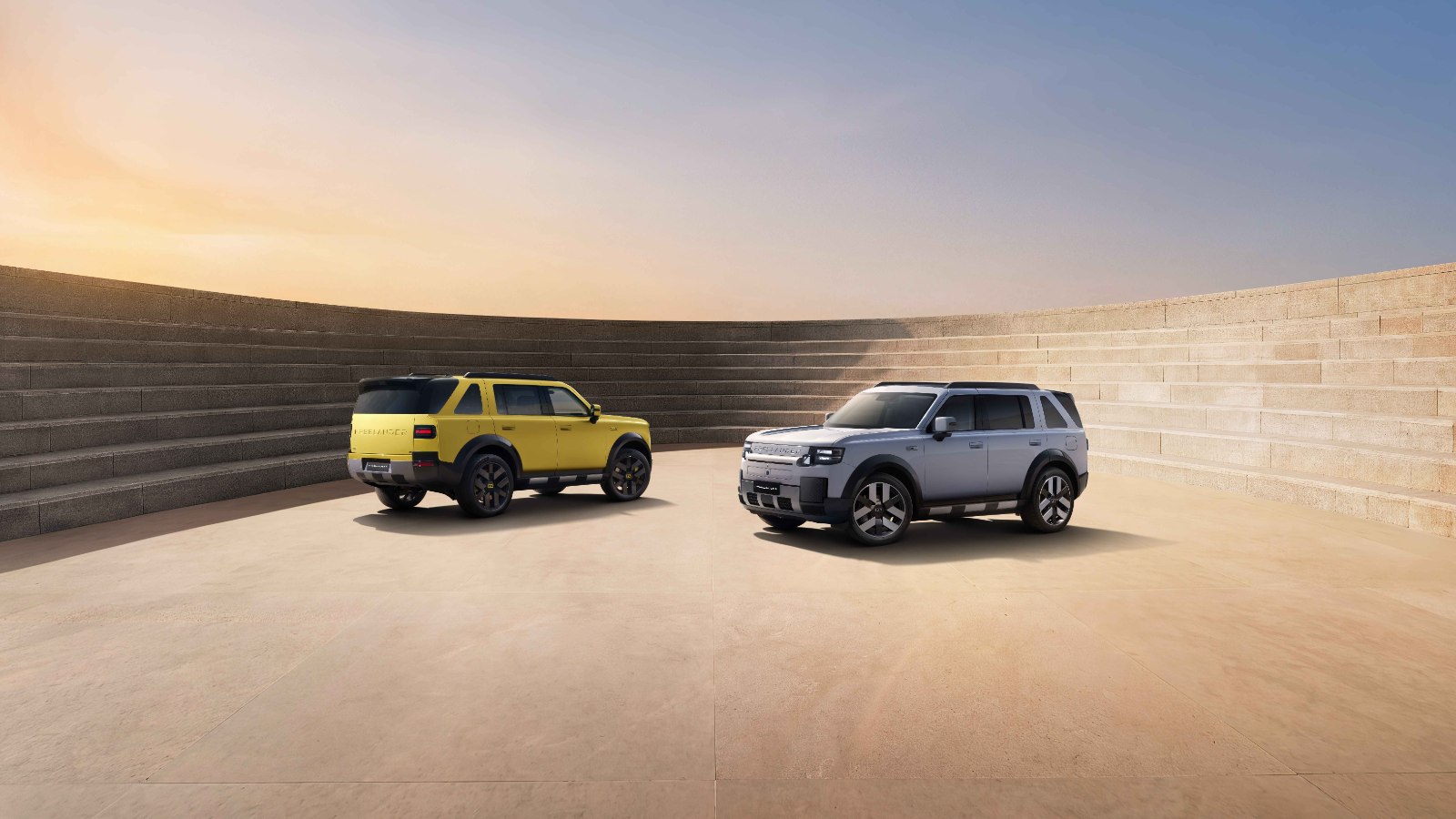
Land Rover retired the Freelander nameplate back in 2014, after the Discovery Sport took over as the brand’s compact SUV. Eleven years later, the name is back on a production vehicle, but not on anything Land Rover builds by itself, and not anywhere near a dealership in Solihull. On September 29, FREELANDER, a standalone brand built through a joint venture between Chery and Jaguar Land Rover, holds its Global Brand Launch at the Emirates Palace Mandarin Oriental in Abu Dhabi, with the United Arab Emirates named as its first market outside China.
The arrangement traces back to a June 2024 letter of intent between JLR and Chery that turned their existing 50/50 China joint venture, Chery Jaguar Land Rover, into something new: an independent brand licensed to use the Freelander name for electric vehicles built on Chery’s EV architecture, styled with input from JLR’s design studios, and assembled at CJLR’s existing Changshu plant. JLR gets a foothold in China’s new-energy-vehicle market without diverting Solihull and Halewood’s own EV production capacity. Chery gets a British badge with genuine heritage attached to it. Neither company is calling this a Land Rover, and that distinction matters more than it might sound like it does.
FREELANDER 8, the brand’s first model, is the centerpiece of the Abu Dhabi event, where visitors get their first look at the international-spec version of the SUV. Chery and JLR describe the truck as built around “British Craftsmanship, Smart Confidence and All-Terrain Freedom.” It’s marketing language, sure, but it also signals FREELANDER is positioning its lead product as something more than a China-market crossover riding on a famous old name. Lucia Mao, CEO of FREELANDER International, put it more plainly when the UAE plan was first confirmed: “International expansion goes beyond entering a new market. It is about making a long-term commitment.”
FREELANDER confirmed the UAE as its beachhead back in July, during an announcement made alongside the Goodwood Festival of Speed. Since then, the brand has locked in its retail network: Al Tayer Motors will handle Dubai and the Northern Emirates, and Premier Motors takes Abu Dhabi. Both are established regional dealer groups already selling premium metal, and that matters more than it sounds like it should. A new nameplate without a service network and a parts pipeline already in place is just a very expensive pop-up shop.
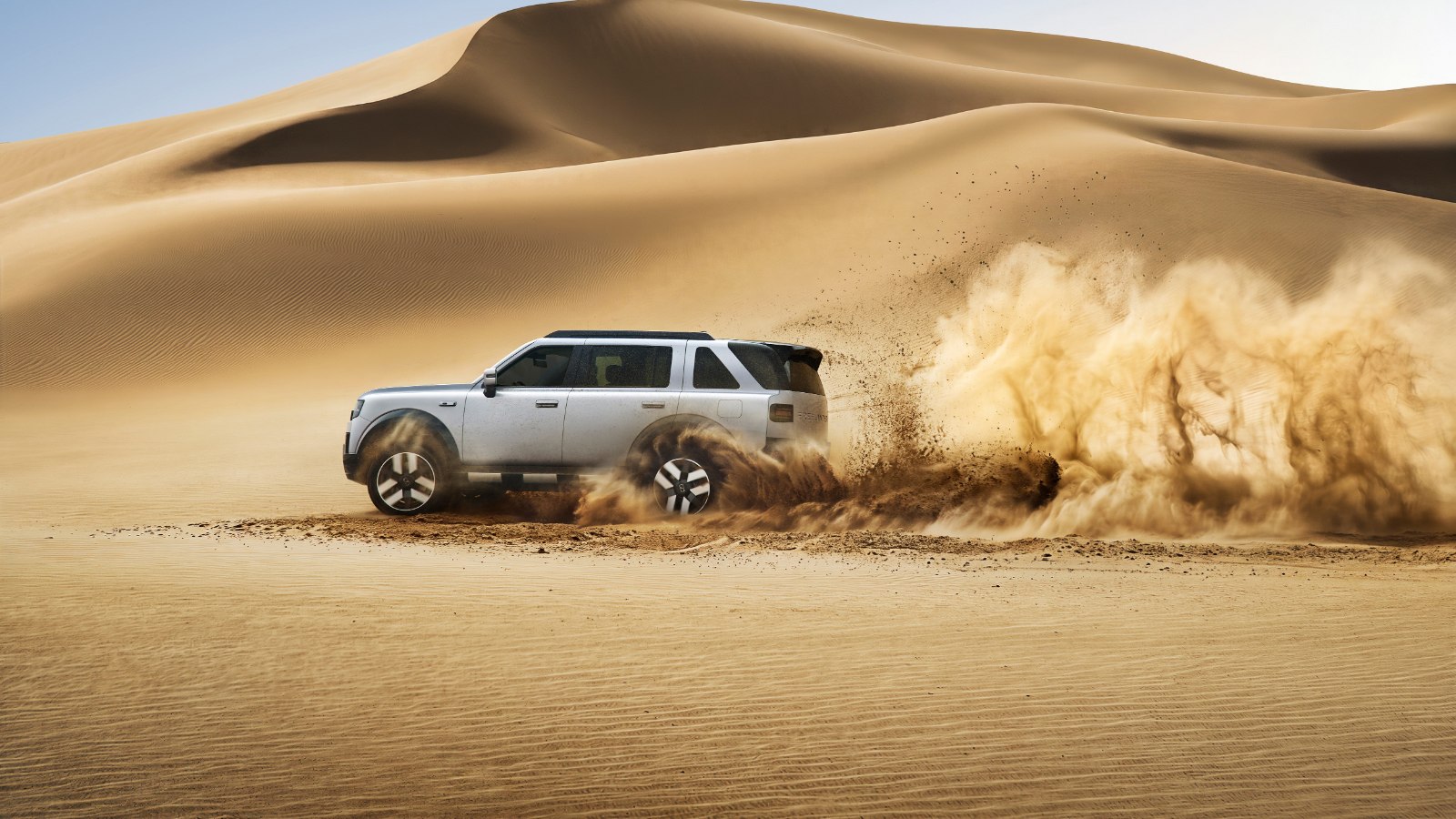
FREELANDER says it has spent months road-testing the truck across desert, coastal and urban conditions in the region, specifically to validate thermal management and all-terrain reliability. That’s not just a talking point. Gulf summers routinely push ambient temperatures past 120°F, with pavement running well beyond that, and those conditions stress an EV’s battery cooling loop, its cabin HVAC system, and its tire compounds harder than most Chinese or European test routes ever will. A battery pack that can’t shed heat fast enough during DC fast charging in Dubai in August is going to struggle with range and charge speed everywhere else, too. Passing that test isn’t glamorous, but it’s a genuinely useful proving ground for a brand trying to demonstrate its EV can handle real-world extremes rather than a lab’s approximation of them.
The Abu Dhabi launch also marks the global debut of what FREELANDER calls its Super Intelligent Valet Parking system, an automated parking feature the brand says was specifically tuned for high-heat environments. Automated parking tech is becoming a fixture on premium SUVs, but it’s worth remembering that “the car parks itself” raises real liability questions the moment something goes wrong in a crowded lot. Insurers in markets where this kind of feature is already common still treat who’s “driving” during an automated maneuver as a live legal question, not a settled one. Buyers drawn in by the convenience should read the fine print on what happens if the system, not the human behind the wheel, causes the fender-bender.
The timing is notable for another reason. JLR just closed one of its roughest stretches in years, a cyberattack-driven production shutdown that gutted profits even as the company pushes its first EVs out the door and works through the rest of its electrification roadmap. FREELANDER operates as its own value-creation system rather than a line item on JLR’s balance sheet, which is presumably by design. It lets Chery’s manufacturing muscle fund an aggressive global rollout without that spending showing up as a drag on JLR’s own numbers.
Don’t expect to see one of these in a U.S. driveway anytime soon. FREELANDER 8 is built in China, and Chinese-made electric vehicles currently face a 100% Section 301 tariff entering the United States, on top of the standard EPA emissions and FMVSS crash-testing hurdles every new nameplate has to clear before it’s street-legal here. Layer on a federal ban on Chinese-sourced connected-vehicle software, which takes effect for the 2027 model year, and FREELANDER’s American arrival isn’t really a matter of “eventually.” It’s closer to “not under current law.” The 25-year classic-import exemption, for anyone doing that math, doesn’t kick in until 2051.
None of that makes the UAE debut small news. It’s the first real test of whether a Chinese-built, British-badged EV brand can sell itself to buyers who already have plenty of premium and luxury options in the driveway. Chery has a track record of leaning hard into spectacle when it wants attention, and a five-star hotel launch event with a UAE dealer network already signed suggests FREELANDER is aiming for something more grounded this time around: proving the truck works before it worries about the show.
About the Author