Ferrari’s first fully electric car was meant to be a landmark moment for one of the most storied names in performance cars. Instead, the launch has turned into a case study in how not to introduce a six-figure EV, and it’s given a chief rival room to say, in effect, “we told you so.”
A Bumpy Launch for the Luce
The car in question is the Luce, Ferrari’s first all-electric model, carrying a reported price tag of roughly $640,000 and penned with input from former Apple design chief Jonny Ive. Rather than the usual wave of excitement that greets a new Ferrari, the Luce’s reveal was met with pointed criticism, much of it aimed at the styling. Longtime enthusiasts and collectors argued the car simply doesn’t look like a Ferrari, and the design quickly became the dominant talking point around the launch. The pushback wasn’t confined to online forums, either — Ferrari’s own former chairman, Luca di Montezemolo, reportedly added his voice to the criticism.
Lamborghini’s CEO Weighs In
Amid that backlash, Lamborghini CEO Stephan Winkelmann used the moment to reaffirm his company’s own electrification bet. Winkelmann said this week that Lamborghini’s decision to abandon a fully electric model in favor of plug-in hybrid technology has proven to be the right call. He stopped short of directly criticizing Ferrari, but the message was hard to miss: different automakers are placing very different bets on what their buyers actually want, and Lamborghini believes its own customers have been telling it something important.
The Long Road to Direzione Cor Tauri
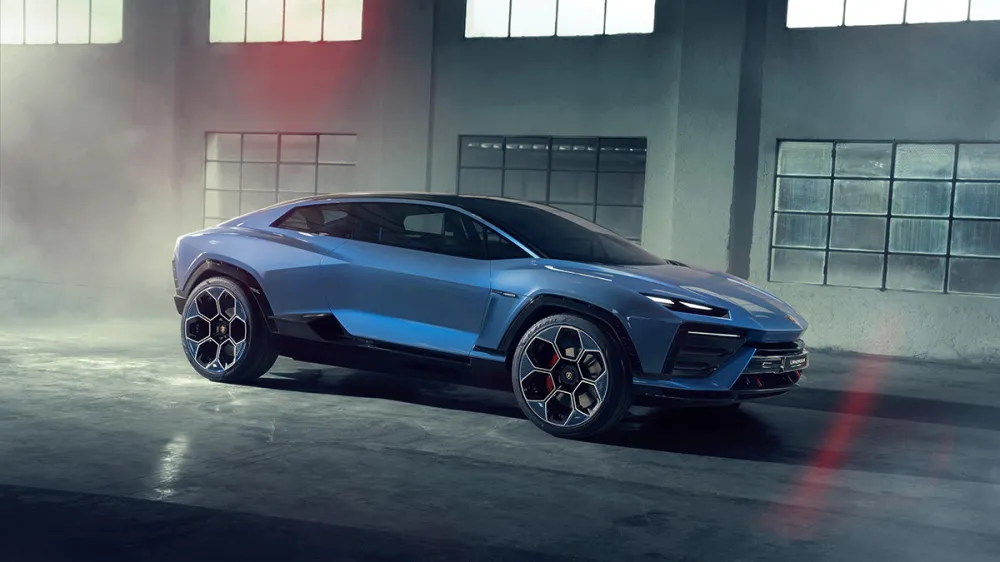
That shift didn’t happen overnight. Back in 2021, Lamborghini unveiled its “Direzione Cor Tauri” electrification roadmap, which included a commitment to hybridize its entire lineup and eventually launch a fully electric model before the decade’s end. The automaker delivered on the hybrid half of that plan, but the all-electric portion tells a different story — Lamborghini ultimately canceled plans for a fully electric version of the Lanzador. A plug-in hybrid variant of that car could still arrive, but the original battery-electric strategy has been shelved.
Building a new vehicle platform takes years of investment, and walking away from one after that much planning isn’t a decision any manufacturer makes lightly. Lamborghini has said its read on the market showed the acceptance curve among its buyers wasn’t accelerating the way a straight-to-EV strategy would require, and that preserving the driving characteristics its customers expect mattered more than hitting a predetermined electric launch date.
Wall Street Is Watching, Too
The reaction to Ferrari’s EV hasn’t been limited to enthusiasts and collectors — investors have taken notice as well. Ferrari shares reportedly fell about 8 percent following the Luce’s debut, a decline that has fueled discussion among analysts about whether the company misjudged the market with its electric strategy. That’s a notable data point given Ferrari’s standing as one of the most powerful and closely watched brands in the industry; when a company with that kind of reputation stumbles out of the gate on a major strategic bet, it tends to reverberate well beyond its own showroom.
Two Very Different Bets on the Future
Every automaker is under pressure to modernize, but performance brands in particular have to satisfy buyers with very specific expectations about how a high-end car should look, sound, and feel. Lamborghini is betting that plug-in hybrids can bridge that gap for now, while Ferrari is making a more aggressive push straight into full electrification — a push that’s off to a rockier start than the brand likely hoped for.
How these two strategies play out could shape how other luxury performance brands approach electrification in the years ahead. For the moment, Lamborghini appears comfortable with the path it chose, while Ferrari faces the harder task of convincing enthusiasts, collectors, and investors that its electric future still looks and feels like a Ferrari. In a segment where brand identity matters as much as technology, that may prove to be the toughest part of the entire transition.
About the Author