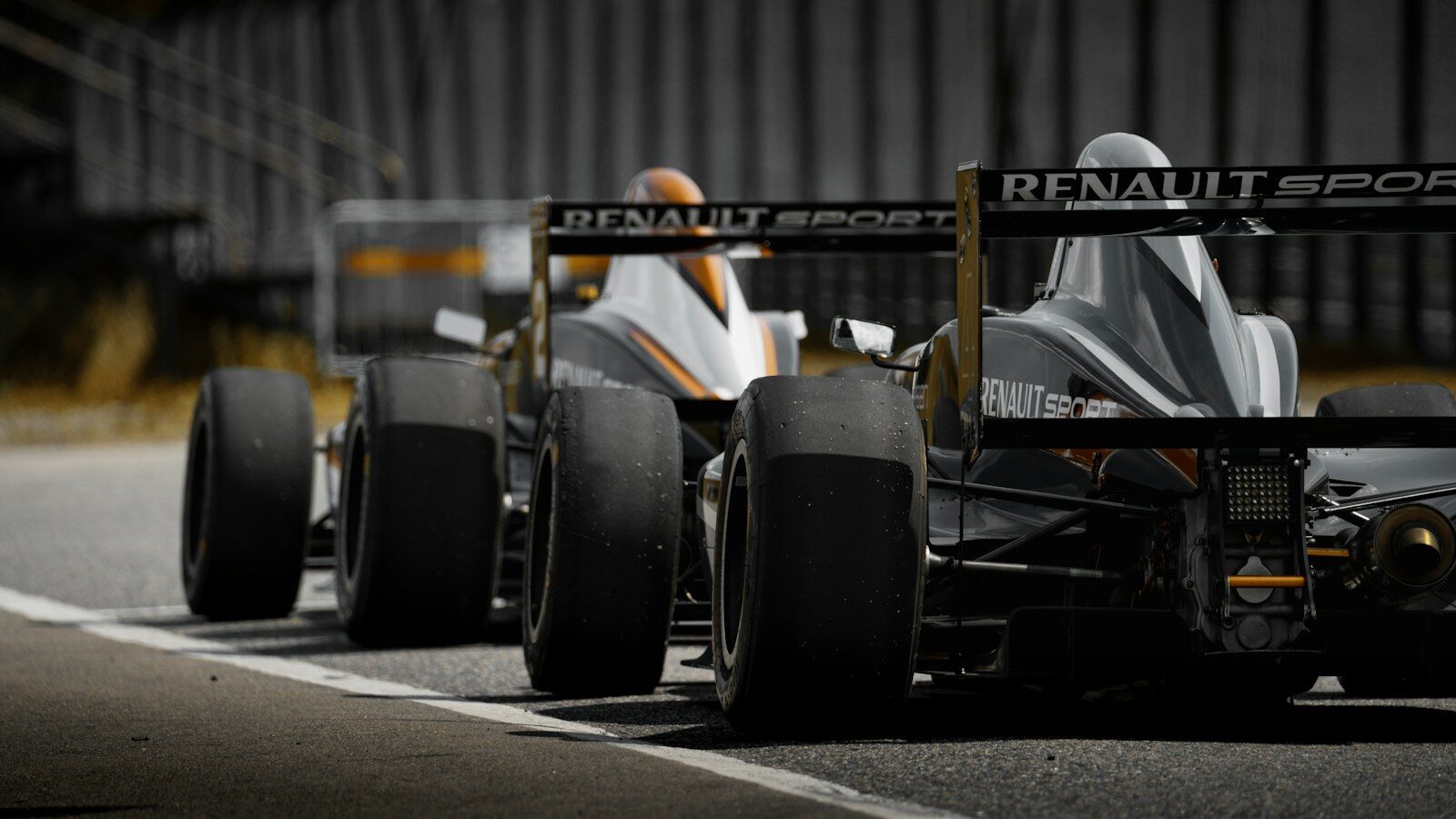
F1 and NASCAR are about to share the spotlight the hard way. Formula 1’s push into the American market is about to run headlong into NASCAR’s home turf, not once but twice on the 2026 schedule. The two series will go wheel to wheel for eyeballs on two separate weekends, forcing fans, broadcasters, and casual viewers to pick a side rather than flip between both.
The first collision lands on May 2, when F1’s Miami Grand Prix weekend overlaps with NASCAR’s national series tripleheader at Texas Motor Speedway. NASCAR’s Cup Series race at Texas falls on the same Sunday window that Miami’s own on-track action occupies, meaning the two biggest racing products in the country will be competing directly for live viewers rather than sharing the day the way they sometimes have in years past.
The second clash comes on Oct. 24, when F1 returns to the Circuit of the Americas in Austin for the United States Grand Prix while NASCAR heads west for a playoff weekend at Phoenix Raceway. Once again, two very different racing cultures will be asking fans in the same country, on the same day, to choose where their attention goes.
Can F1 Really Compete With NASCAR in America?
On paper, the overlaps look like a scheduling headache, but they also raise a bigger question for F1’s American ambitions. Since adding Miami and Las Vegas alongside its long-running Austin date, F1 has leaned hard into growing its domestic audience, riding the wave built by streaming documentaries and a younger, more international fan base. NASCAR, meanwhile, still commands deep loyalty in exactly the markets where these clashes are happening, with Texas and Phoenix sitting in the heart of stock car country.
Whether F1 can truly go toe-to-toe with NASCAR in the United States is still an open question. F1’s audience skews toward streaming platforms and international viewership, while NASCAR still draws strong traditional television numbers and a fiercely regional fan base that shows up in person year after year. Rather than one series knocking the other out, these overlapping dates may simply confirm that the two are chasing different slices of the same growing American racing audience, at least for now.
What is clear is that American racing fans will have decisions to make twice next year, and how each series performs on those overlapping weekends could shape the conversation about F1’s staying power in a market NASCAR has owned for decades.
About the Author