On July 28, EZ Lynk sent out a press release with a headline that could have come straight from its own marketing department, because it did. The company announced that a federal lawsuit over its vehicle tuning platform had been dismissed and framed the outcome as a clean win for right-to-repair. Pull the actual docket from the Southern District of New York, though, and a messier, more interesting story shows up. Nobody on the bench ever ruled that EZ Lynk’s product was legal. This case ended with a signature on a settlement paper, not a verdict from a judge.
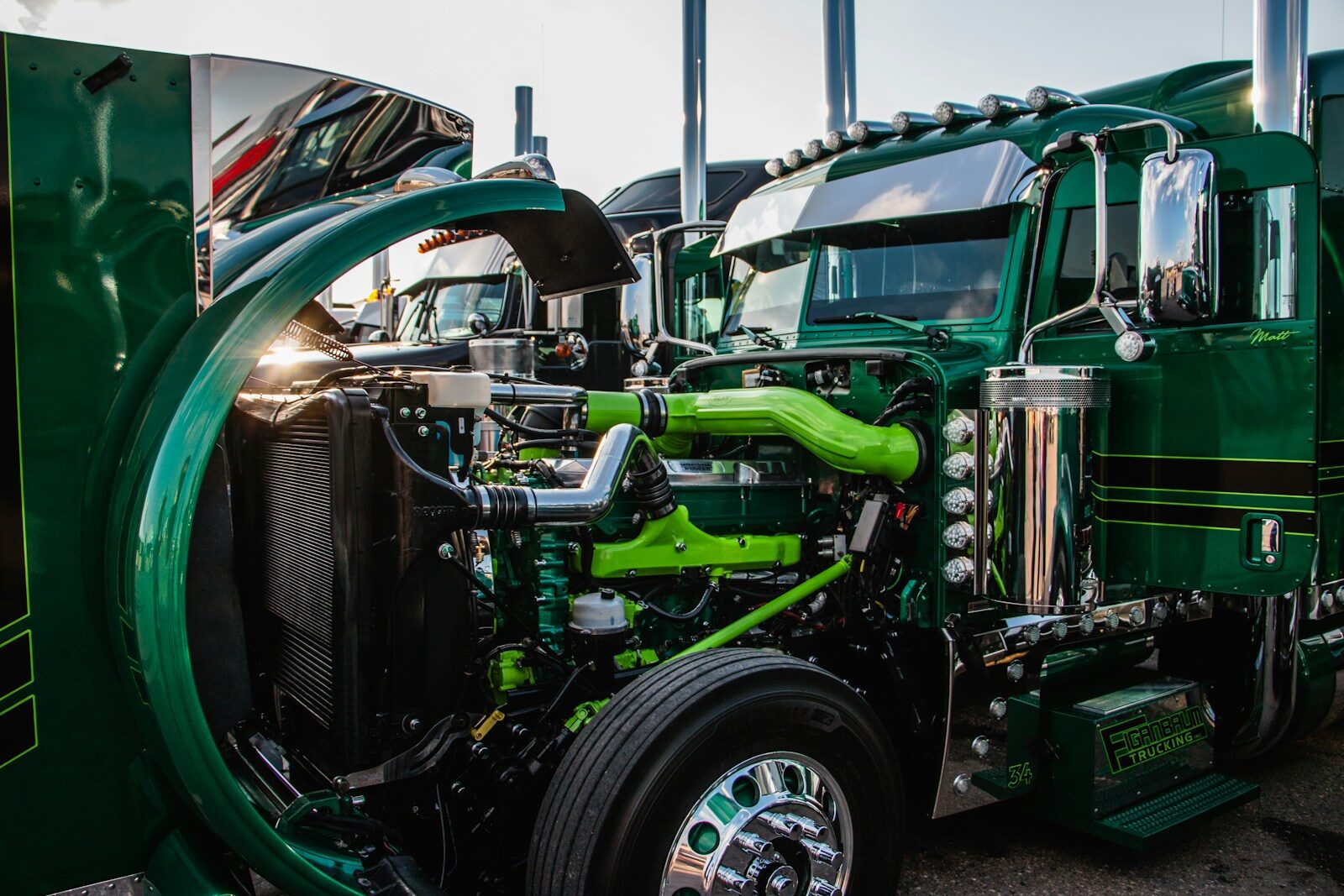
For anyone who hasn’t run into the brand at a truck meet or a diesel forum, EZ Lynk makes the Auto Agent, a small interface that plugs into a vehicle’s OBD-II diagnostic port and pairs with a phone app and a cloud platform. Technicians and fleet managers use it for legitimate remote diagnostics, exactly the kind of independent-shop access right-to-repair advocates want protected. Gintz, who has described growing up in his family’s auto repair shop, built the platform to hand that same diagnostic depth to owners and independent mechanics rather than just dealership networks. Diesel truck owners use it for that too, but also to download tunes written largely by third-party tuners rather than EZ Lynk itself, including so-called delete tunes that switch off emissions hardware like DPF filters, EGR valves, and the urea-injection systems diesel trucks use to control nitrogen oxide. That second use case is exactly what put the company in a federal courtroom.
What the Government Actually Alleged
The Justice Department sued EZ Lynk, SEZC, co-founder Bradley Gintz, a related entity called Prestige Worldwide SEZC, and Thomas Wood in March 2021, arguing the system amounted to a defeat device banned under the Clean Air Act because its core function let owners bypass emissions controls. It’s the same legal theory EPA has used against dozens of smaller tuning shops and parts distributors over the past decade, and it carries real teeth: aftermarket defeat device violations can draw civil penalties running well past $5,000 per device under EPA’s own enforcement policy, separate from whatever a criminal case might add. EZ Lynk is incorporated in the Cayman Islands as a Special Economic Zone Company, a structure that carries local tax advantages, though it did nothing to keep a New York federal court from asserting jurisdiction over a product marketed and sold to American truck owners.
A Win on the Wrong Argument
Here’s where the press release gets slippery. The district court, then under Judge Mary Kay Vyskocil, actually agreed with the government on the central question, finding that the complaint plausibly alleged the EZ Lynk System functioned as a defeat device. EZ Lynk still won that round of the case, but on a completely different argument: Section 230 of the Communications Decency Act, the same law that shields social media platforms from liability for what their users post. The court reasoned that EZ Lynk merely hosted and distributed tunes written by third parties without creating the illegal content itself, so it couldn’t be held liable the way an author could.
The Second Circuit Erases That Shield
That ruling didn’t survive an appeal. In August 2025, the Second Circuit vacated the dismissal, agreeing again that the defeat-device allegation was plausible, and holding that Section 230 doesn’t protect a platform that directly and materially contributes to creating unlawful content, rather than just hosting it. The appellate panel found the government’s complaint did enough to allege that EZ Lynk, Gintz, and Wood were active participants in building the delete tunes, not passive bystanders, and sent the case back down for exactly the kind of grinding discovery fight that follows a remand like that.
The Privacy Fight Behind the Discovery Docket
And it was a fight. Through the first half of 2026, the two sides argued over sealing exhibits, blowing past deadlines, and the corporate relationship between EZ Lynk and Prestige Worldwide. The sharpest dispute was over customer data: the government tried to compel EZ Lynk to identify its user base, and the magistrate judge overseeing discovery pushed back, ruling in June 2026 that at least some of those requests amounted to the government fishing for EZ Lynk’s own analysis of its product dressed up as a request for facts. That’s the ruling EZ Lynk’s press release points to as a privacy win, with Gintz pledging on the record, “We always will,” when asked whether the company would keep standing behind its users. It’s a real result, but it’s a discovery order limiting overbroad requests in one case, not a blanket rule protecting every scan-tool maker from ever having to identify customers to federal investigators.
A Stipulation Isn’t a Verdict
Then, on July 10, 2026, with discovery still grinding and no trial date in sight, both sides filed a joint stipulation ending the case entirely: dismissed with prejudice against every defendant, under a federal rule that lets parties settle a case by mutual agreement without a judge ever weighing in on the merits again. With prejudice means the government can’t refile these exact claims against these defendants, which is genuinely valuable to EZ Lynk. It does not mean a court found the Auto Agent legal, it creates no precedent protecting any other tuning company sued under the same defeat-device theory, and it does nothing to the Clean Air Act’s tampering ban itself, which Congress hasn’t touched.
Part of a Bigger 2026 Retreat
This didn’t happen in a vacuum. Backfire has been tracking a broader retreat in federal emissions-tampering enforcement all year, from a January memo ordering federal prosecutors to drop pending Clean Air Act tampering cases nationwide, to a string of presidential pardons for people convicted of disabling diesel emissions systems, to an EPA proposal that would swap hard engine derates for a dashboard warning light on new diesel trucks. The EZ Lynk case was always a civil matter rather than a criminal one, but its quiet ending fits the same pattern of a federal government spending 2026 stepping back from enforcement machinery it spent the prior decade building. It’s a strange split-screen moment for aftermarket regulation: the same year regulators forced John Deere to open its repair software to independent shops, EPA is handing diesel engine manufacturers more discretion over how their own emissions software behaves in the field.
What Actually Changes for Owners
None of that changes what’s actually legal for the average owner. A tampering violation under the Clean Air Act is still a tampering violation whether or not DOJ feels like bringing the case this year, and that enforcement posture can flip with the next administration or the next EPA appointee, none of which has anything to do with EZ Lynk’s litigation. Using a scan tool to read codes, monitor boost, or push a manufacturer-approved calibration is exactly the kind of diagnostic access the Clean Air Act protects. Installing a delete tune that guts a DPF, EGR valve, or DEF dosing system is a separate act that remains illegal no matter what hardware you used to do it, and it still carries the same insurance and warranty consequences it always has. A deleted emissions system is a textbook reason for an insurer to deny a claim or for a manufacturer to void a powertrain warranty that’s still active, and no press release changes that math.
EZ Lynk gets to keep selling hardware without a federal defeat-device case hanging over it, and that’s a legitimate business outcome worth noting on its own terms. Just don’t mistake a stipulation for a verdict. The lawsuit is dead. The actual legal question at its center, whether a connected tuning platform can be held liable for what its users do with third-party delete tunes, never got answered.
About the Author