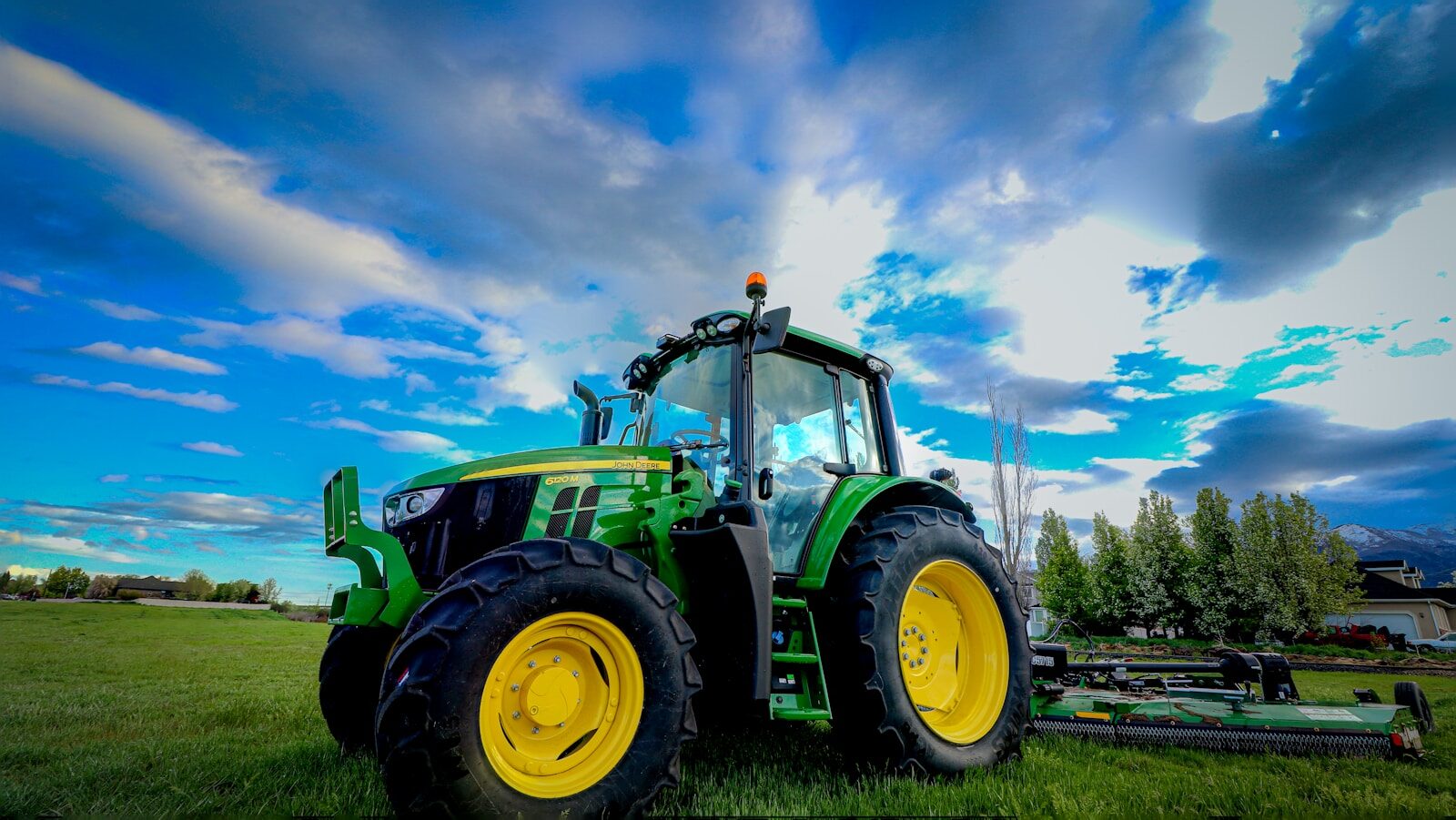
Deere & Company builds equipment that costs more than most houses, and for years it also decided who was allowed to actually fix that equipment. That arrangement just took a serious hit. On July 8, the Federal Trade Commission and five state attorneys general locked in a stipulated court order requiring the farm equipment giant to give farmers and independent repair shops the same repair software access it has long reserved for its own authorized dealer network.
This isn’t a car story on its face. Deere makes tractors, combines, and sprayers, not sedans or pickups. But the legal theory the FTC just used to bring Deere to heel is the same one independent auto repair shops, aftermarket parts makers, and everyday car owners have been fighting about for the better part of two decades. If you’ve ever paid a dealership premium because your vehicle’s software wouldn’t let anyone else touch it, this settlement is worth understanding in detail.
What Deere Actually Has to Hand Over
The underlying lawsuit, filed in January 2025 in the U.S. District Court for the Northern District of Illinois, accused Deere of monopolizing the repair market for its own machines. Deere builds the only software capable of performing certain electronic repairs on its equipment, and the complaint alleged it kept that software exclusive to authorized dealers. A farmer who needed a fault code cleared, a replacement part paired to the machine’s electronics, or a way to restart equipment after an emissions-related shutdown had no path forward except a dealer visit, a wait, and a dealer labor bill.
The stipulated order settles that case. For the next 10 years, under active supervision from the FTC and the plaintiff states, Deere must give farmers and independent repair providers commercial access to the same repair resources it gives its own dealer network, including the ability to read, clear, and reset electronic fault codes, reprogram electronic components and pair newly installed parts, restart equipment after an emissions-related shutdown, and search the same technical manuals and troubleshooting documentation dealers use. If Deere rolls out new repair tools to more than half of its authorized dealers, it has to make those same tools available to everyone else, too. Dealers are also barred from discouraging customers who choose independent repair over the dealership.
FTC Bureau of Competition Director Daniel Guarnera framed the settlement as a restoration of a basic agricultural tradition, saying it lets farmers “fix their own tractors and other farm equipment” without paying a dealer to do work they’re capable of doing themselves. The Commission’s vote to issue the order was unanimous at 2-0.
The Legal Teeth Behind the Paperwork
A stipulated order isn’t a press release or a handshake deal. Once a federal judge signs it, it carries the force of law, and Deere will be subject to ongoing reporting and compliance oversight for a decade. Violate it, and the order can be extended. That structure matters because it’s fundamentally different from how most right-to-repair fights get resolved in the auto world, where manufacturers have historically preferred voluntary agreements with no real enforcement mechanism behind them.
Why This Sounds So Familiar to Car Owners
Modern vehicles, like modern tractors, are rolling networks of computers held together by sheet metal. Swapping in a new part often isn’t enough anymore. Control modules frequently need to be electronically paired, or “flashed,” with software before they’ll actually function, and that process traditionally required a factory scan tool that only dealers had full access to. Independent shops and DIY owners have run into the same wall Deere’s customers did: the physical part is available, but the digital handshake to activate it is not.
Automakers and independent repairers have gone through this cycle before. A 2014 memorandum of understanding between automakers and the aftermarket repair industry was supposed to guarantee equivalent access to diagnostic and repair information, but it was voluntary and had no regulator standing behind it the way the Deere order now does. Massachusetts voters later expanded the fight to telematics data, the wireless streams modern cars beam back to manufacturers, arguing that locking independent shops out of that data was just the 2014 problem wearing a new disguise. That dispute has dragged on in court for years, largely because there was never a consent decree with teeth, an FTC monitor, and a 10-year compliance clock attached to it.
The Regulatory Mood Has Shifted
The Deere settlement lands at a moment when federal regulators are already taking a more active hand in how vehicle software gets deployed and controlled. Automakers are bracing for rules that would make driver-monitoring hardware standard equipment in new vehicles, and Tesla just spent months negotiating with regulators over how it handles a massive Autopilot investigation. None of those situations involve repair access directly, but they show the same underlying trend: regulators are done treating vehicle software as an area automakers can govern entirely on their own terms.
What It Means If You Own the Machine, Not Just Drive It
For farmers, the practical upside is straightforward: independent shops and DIY repairs become viable again, which should push dealer labor rates down through competition alone. For car and truck owners watching from the sidelines, the takeaway is more strategic. This settlement is a working template for how a right-to-repair dispute gets resolved when a regulator decides to actually use its antitrust authority instead of waiting for an industry to self-police. If a court-enforced consent decree can force a company as entrenched as Deere to open up its repair software, there’s a functioning legal roadmap sitting on the shelf the next time a manufacturer decides only its own dealers get to touch the code running under the hood.
Deere has 10 years to prove it can coexist with independent competition instead of stamping it out. Whether that experiment goes smoothly or turns into another decade of compliance disputes will tell auto industry regulators a lot about whether antitrust enforcement, rather than politely worded legislation, is the tool that actually gets manufacturers to let go of the wrench.
About the Author