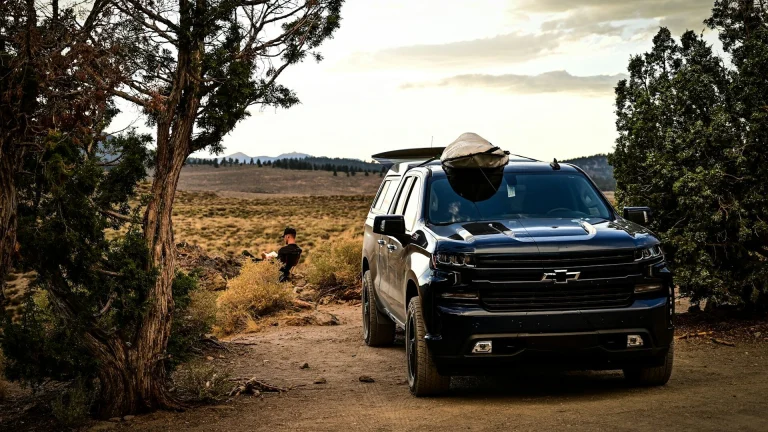
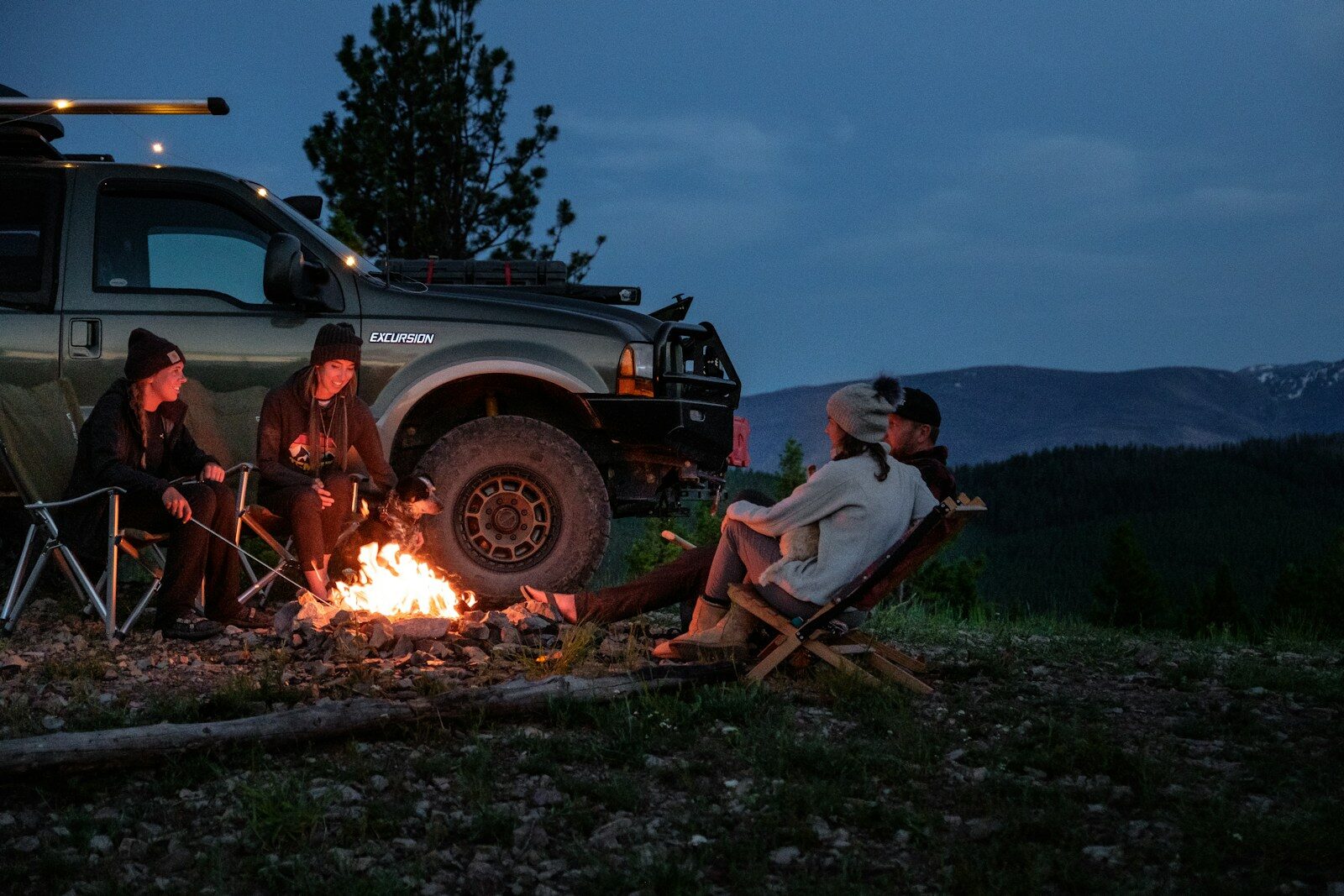
The difference between a miserable night in the backcountry and an unforgettable adventure usually comes down to gear. The best overlanding and camping gear turns your vehicle into a self-sufficient basecamp without burying you in clutter. This guide breaks down the categories that matter and how to build a setup that grows with you.
Garage-worthy EDC gear, on sale this week.
Check This Out: Best Dash Cams of 2026: How to Choose the Right One for Your Vehicle
Start With a Solid Foundation
Before chasing accessories, make sure the basics are covered. Our recovery gear guide and essential off-road gear roundup cover the safety equipment that should come before any comfort upgrade. If you are new to the lifestyle, start with our overlanding for beginners guide.
Sleeping Systems
A good night’s sleep makes or breaks a trip. Options range from ground tents to rooftop tents to fully built-out trailers like this over-engineered off-road trailer. Match the setup to how often you travel and how much comfort you need.
Camp Kitchen
A reliable stove, a quality cooler or 12-volt fridge, and a compact cook kit transform camp meals. A dual-burner stove and a slide-out kitchen drawer make cooking in the field genuinely enjoyable rather than a chore.
Power and Lighting
A portable power station or a dual-battery system keeps devices, fridges, and lights running. Pair it with solar for extended trips off the grid. Reliable power is what makes modern overlanding comfortable.
Water Storage and Filtration
Carry more water than you think you need and bring a filtration method for refills. Dedicated water tanks, jerry cans, and a good filter ensure you never cut a trip short over hydration.
Storage and Organization
Drawer systems, roof racks, and modular storage boxes keep gear secure and accessible. A well-organized rig is faster to pack, safer to drive, and far less frustrating in camp. Proper all-terrain tires and the right suspension setup round out a capable build.
Build Smart, Not Expensive
Resist buying everything at once. Add gear as real trips reveal real needs, and you will end up with a setup tailored to how you actually adventure, not how the catalogs say you should.
Power Systems for Extended Trips
Reliable power is what makes modern overlanding genuinely comfortable. Portable power stations suit casual trips, while dual-battery systems with solar charging support extended time off the grid, running fridges, lights, and devices indefinitely. Size your system to your actual needs, factoring in your fridge’s draw and how long you stay out between resupplies. A well-designed power setup is often the upgrade that transforms camping from an exercise in rationing into a comfortable home away from home.
Water and Kitchen Systems
Water storage and a functional camp kitchen elevate the entire experience. Dedicated tanks, jerry cans, and a quality filter ensure you never cut a trip short, while a reliable stove, a 12-volt fridge, and a compact cook kit make camp meals a pleasure rather than a chore. Organizing these into a slide-out kitchen or modular boxes keeps everything accessible, an approach that pairs naturally with the storage principles we cover throughout our overlanding guide.
Choosing Your Sleep System
Where you sleep shapes everything, and the options range from ground tents to rooftop tents to fully built trailers like this over-engineered off-road trailer. Each has tradeoffs in cost, comfort, and setup time, which we break down in detail in our overland sleep guide. Match the choice to how often you travel and how much comfort you need, and upgrade as your trips become more frequent and ambitious.
Don’t Neglect the Vehicle Foundation
The best camping gear means nothing if your vehicle cannot reach the campsite or get you home. Before investing in comfort, ensure the fundamentals are covered: a proper recovery kit, the right all-terrain tires, and a sensible suspension setup. Capability and safety always come before luxury, and a well-prepared rig lets you enjoy the gear without worrying about getting stranded.
Building Smart Over Time
The most common mistake is buying everything at once based on social media inspiration rather than real experience. Start with the essentials, take some trips, and let genuine needs guide each addition. Over time you will assemble a setup perfectly tailored to how you actually adventure, free of the clutter that weighs down rigs built on impulse. Thoughtful, gradual building produces a more capable, more enjoyable camp than any rushed shopping spree ever could.
Read Next: The 10 Best Outdoor Knives of 2026: Top-Rated Picks for Hunting, Camping, and Survival
Gear That Grows With You
The beauty of a well-planned overlanding setup is that it evolves alongside your skills and ambitions. What begins as a modest weekend kit can grow into a fully self-sufficient adventure rig capable of crossing remote terrain for weeks at a time. The key is intentionality: each addition should solve a real problem you have actually encountered, not a hypothetical one dreamed up from a catalog. Build this way and you end up with a setup that feels like an extension of yourself, perfectly suited to how you explore. The gear becomes invisible in the best sense, simply enabling the adventures rather than complicating them, and that is the true goal of any thoughtful overland build.
About the Author