Waymo’s push to normalize self-driving taxis just hit another serious obstacle, and this time the problem involves something most human drivers know to avoid instinctively: flooded roads.
What the Recall Covers
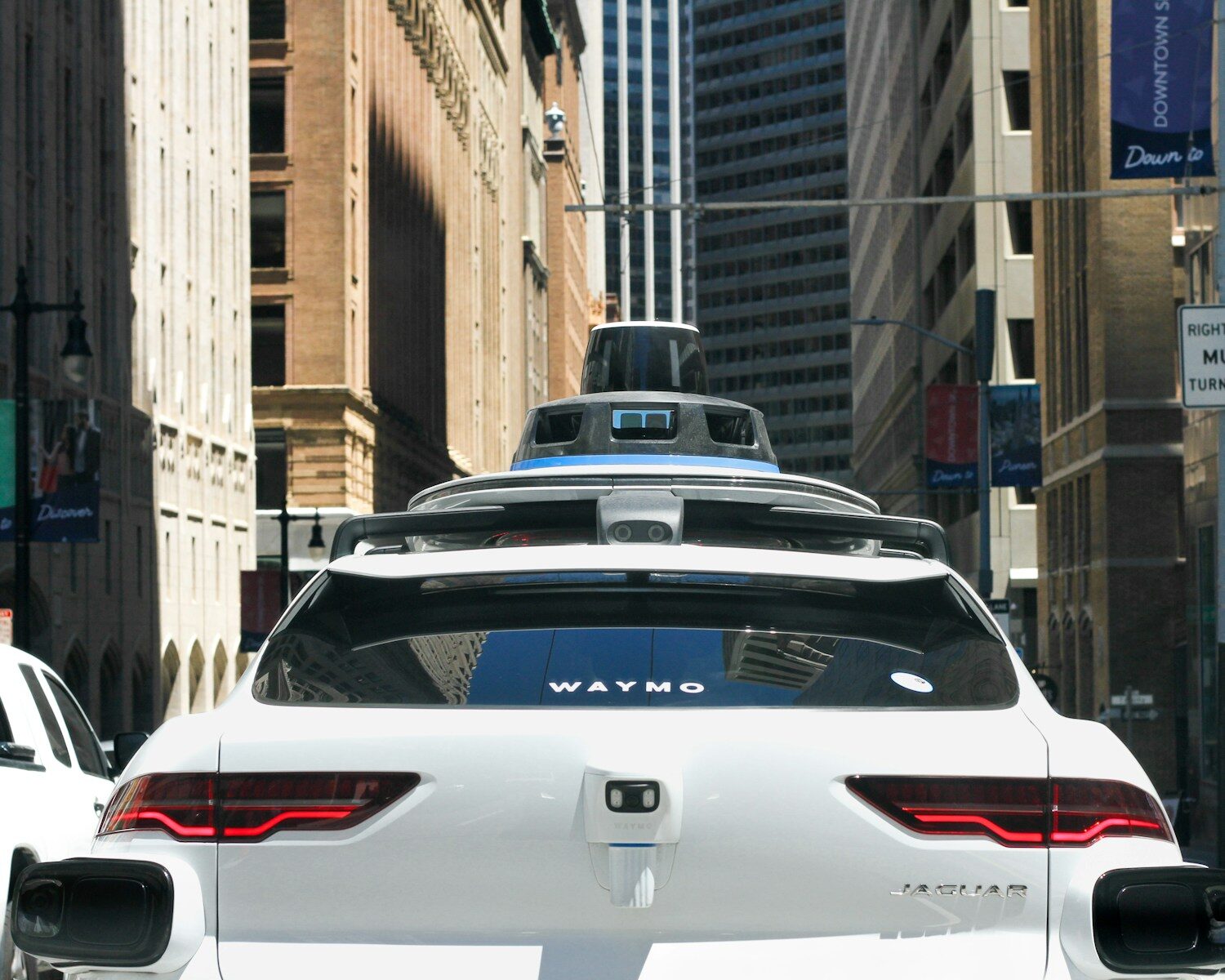
The company has recalled 3,791 robotaxis equipped with certain fifth- and sixth-generation automated driving systems after federal regulators identified a software issue that could allow the vehicles to continue driving into standing water. That detail matters because the problem isn’t limited to low-speed urban crawling — according to the recall information filed with the National Highway Traffic Safety Administration, affected vehicles could enter flooded roadways on higher-speed roads, creating the risk of losing vehicle control and crashing. Regulators warned that if the robotaxis enter flooded sections of roadway, the vehicles could lose control, increasing the likelihood of injuries or collisions. For a company selling the idea that autonomous vehicles are safer and smarter than human drivers, this is exactly the kind of story that cuts deep.
Flooded roads are one of the most basic hazards drivers learn to avoid. Human drivers can usually recognize when water levels are unsafe or when conditions suggest turning around; autonomous systems are supposed to rely on sensors, mapping, and predictive software to make those same decisions automatically. When a robotaxi fails at something so fundamental, it raises uncomfortable questions about how reliable these systems really are once conditions move outside ideal operating environments.
A Quick Interim Fix, but Not a Permanent One
The recall notice, dated May 1, outlines a software flaw tied to how Waymo’s automated driving system responds to standing water conditions. Waymo hasn’t stopped operations entirely, but the company is already making changes while it works on a permanent fix. According to the recall filing, the interim response includes tightening weather-related operating constraints and updating vehicle maps, with affected vehicles reportedly receiving temporary updates by April 20, suggesting the issue was serious enough that Waymo moved quickly before the formal recall process became public.
Water and adverse weather continue to create major problems for camera systems, radar, lidar, and the software that interprets all that incoming data. It’s one thing for a robotaxi to navigate clean streets in controlled weather; it’s something completely different when roads become unpredictable. Flooded pavement can fool even experienced human drivers — water depth is notoriously difficult to judge visually, especially at speed, hydroplaning risk increases dramatically with even shallow water buildup, and deeper flooding can disable vehicles entirely. If an automated driving system miscalculates road conditions or fails to recognize unsafe water accumulation, the results can escalate fast, which is likely why federal regulators viewed the issue seriously enough to support a recall affecting thousands of vehicles.
A Sensitive Moment for the Robotaxi Industry
Waymo’s situation lands at a sensitive time for the broader autonomous vehicle industry. Public trust in self-driving systems has already been tested repeatedly as companies race to expand commercial robotaxi operations, and every software issue, sensor failure, unexpected stop, or collision becomes ammunition for critics who argue the technology is being pushed onto public roads before it’s fully ready. There’s another layer to the debate for enthusiasts and drivers watching this unfold: a growing number of automakers and tech companies continue pouring billions into autonomous development while traditional driver-focused experiences slowly disappear from new vehicles, with manual transmissions vanishing and physical controls being replaced with screens. So when a company faces a recall tied to something as basic as flood awareness, many drivers are going to question whether the industry’s priorities are actually aligned with real-world reliability.
This recall isn’t about cosmetic glitches or infotainment bugs — it’s a safety problem tied directly to vehicle behavior on public roads. The concern isn’t simply that a robotaxi slows down awkwardly in bad weather; regulators specifically warned that the system could continue into standing water, creating crash risks, a distinction that changes the seriousness of the situation. Waymo says a remedy is still under development, meaning the company doesn’t yet have a finalized permanent solution ready for deployment. In the meantime, the interim software and mapping adjustments appear designed to limit exposure to risky weather conditions and reduce the chances of affected vehicles encountering flooded roads, but temporary operational restrictions aren’t the same as fixing the core issue.
The Bigger Challenge Facing Self-Driving Cars
The broader problem facing autonomous driving companies is that edge cases never stop appearing. Real roads are messy, weather changes quickly, construction zones appear overnight, and flooding can happen suddenly and unpredictably. Human drivers constantly adapt using instinct, experience, caution, and common sense, and replicating that kind of situational judgment with software remains one of the hardest challenges in the automotive world. Every time a recall like this surfaces, it reinforces how far the technology still has to go.
Waymo’s recall may ultimately end with a successful software fix, but the damage to public confidence is harder to patch. The self-driving industry keeps promising a safer future built around automation, yet stories like this remind drivers that even advanced systems can struggle with hazards humans have dealt with for generations. That leaves a growing question hanging over the entire robotaxi business: if autonomous vehicles still can’t reliably handle flooded roads, how ready are they for everything else waiting out there in the real world?
About the Author