
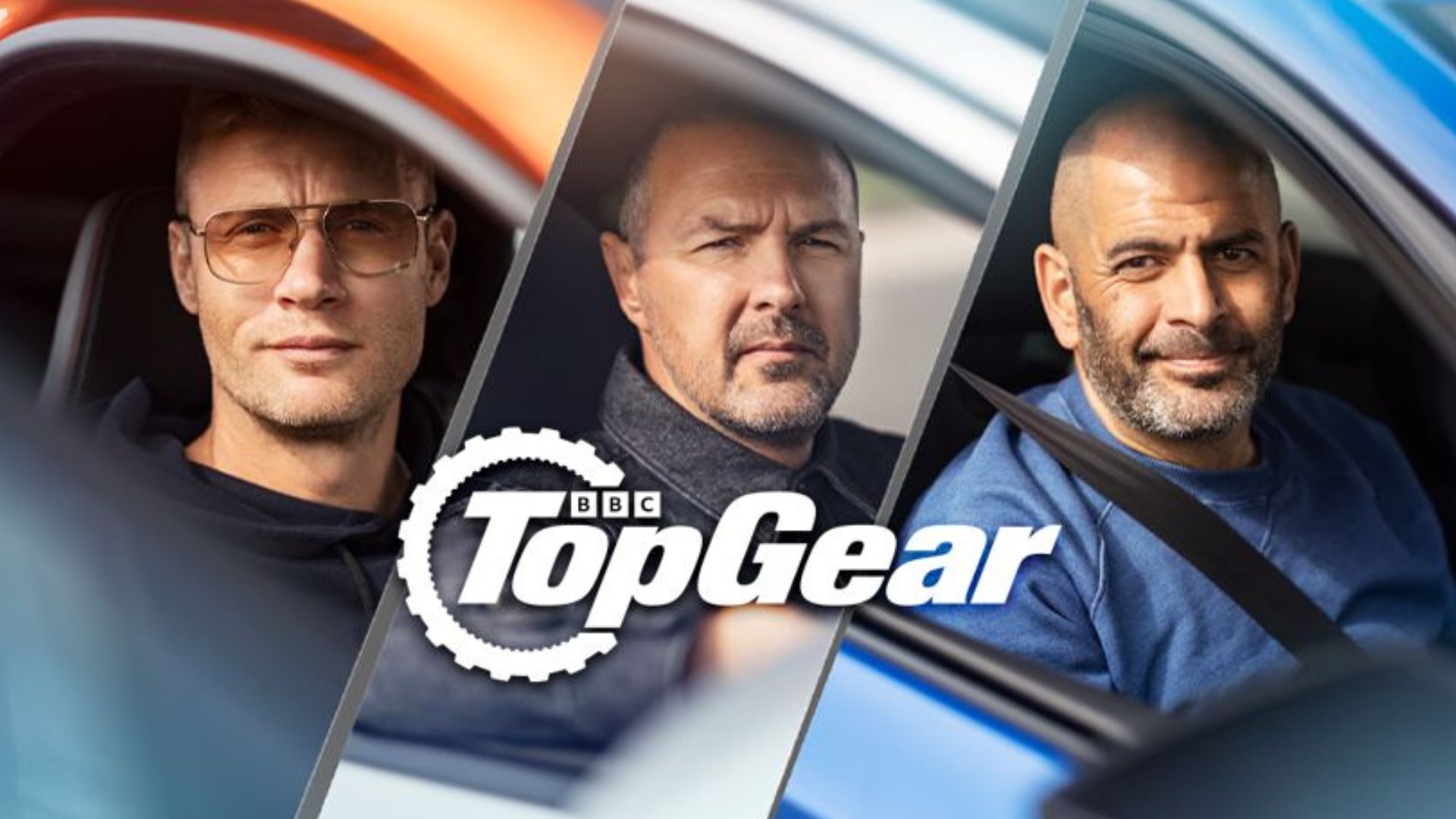
Top Gear, the BBC motoring program that became one of the most watched television shows in the world, has been officially canceled after more than two decades on air — ending a run that redefined how automotive content could be presented to a mainstream audience.
The End of an Era
The BBC confirmed it would not commission further episodes, closing a chapter that began with the show’s modern revival in 2002 under Jeremy Clarkson, Richard Hammond, and James May. That lineup built Top Gear into a global phenomenon before the trio’s acrimonious departure in 2015. The subsequent years saw multiple presenter changes and a gradual decline in both ratings and critical reception that ultimately made cancellation the logical outcome.
What It Built
At its peak, Top Gear was broadcast in more than 200 countries and generated a format that spawned official international versions across multiple continents. The original Clarkson-era show created a template for automotive entertainment that prioritized personality, spectacle, and humor over technical specification — a shift that permanently changed how car content was produced and consumed globally.
What Comes Next
The cancellation leaves a gap in the BBC’s programming slate that will be difficult to fill with anything carrying equivalent brand recognition. Whether the corporation attempts to revive the format under a different name or simply exits the automotive genre remains to be seen. For the Clarkson generation of fans, the show’s real ending arguably came in 2015 — this announcement simply made the official record catch up to that reality.
About the Author

2 thoughts on “Top Gear Has Been Canceled After More Than Two Decades on the BBC”