For Victor Munoz, the return of his father’s stolen 1969 Chevrolet Camaro should have been a moment of celebration. Instead, it became a painful reminder of just how vulnerable classic cars still are in America.
A Car Tied to Family History
The deep green muscle car disappeared back in 2009 after being stolen from a California body shop. At the time, it wasn’t just another collector vehicle sitting in a garage — the Camaro carried decades of family history tied directly to Munoz’s late father, a Vietnam veteran who bought the car the day he returned home from war. Munoz received the Camaro from his father when he turned 16. For enthusiasts, that kind of hand-me-down means something different; it’s not transportation, it becomes part of family identity. The car represented his father’s return from Vietnam and the beginning of a new chapter in life, and losing it meant losing a physical connection to that history. For nearly two decades, it appeared gone forever.
Recovered, but Barely Recognizable
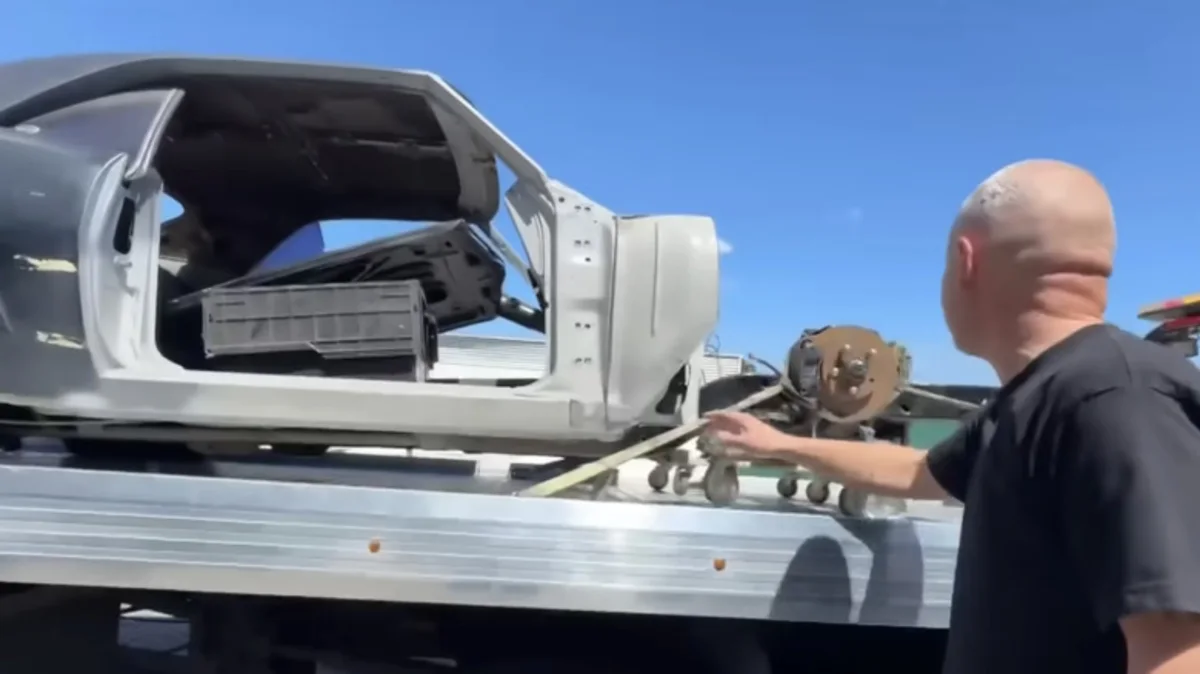
Now, 17 years later, the car is finally back. But what returned barely resembles the Camaro that vanished. The Los Angeles County Sheriff’s Department recovered the vehicle in 2026 roughly 30 miles from where it was originally stolen, finding it sitting in a homeowner’s backyard in disastrous condition. Missing were the passenger-side door, bumpers, tires, and all of the windows. Years of neglect and stripping had reduced one of Chevrolet’s most iconic muscle cars to a shell, and that’s where this story stops feeling like a simple stolen-car recovery and starts exposing a much bigger issue facing classic car owners.
The National Insurance Crime Bureau says more than 85% of stolen vehicles are eventually recovered, but those numbers can be misleading for classic car owners. Recovery doesn’t always mean restoration-ready. Sometimes it means a stripped shell dumped in a yard years later, after valuable parts have been removed or sold off piece by piece.
Why Classic Cars Make Such Easy Targets
Classic vehicles like a 1969 Camaro are prime targets because they lack many of the protections built into modern vehicles: no advanced immobilizers, no factory GPS tracking, no encrypted key systems. Older locks can often be defeated using old keys or basic theft techniques, and meanwhile, the parts market for vintage muscle cars remains incredibly lucrative. The result is a perfect storm for thieves. According to the National Insurance Crime Bureau, more than 650,000 vehicles were stolen across the United States in 2025, and while modern vehicles still dominate theft statistics, older collector cars occupy a dangerous niche of their own, since their parts are often harder to trace once dismantled.
That’s where enthusiasts get frustrated. Owners spend years restoring these cars, preserving automotive history that manufacturers themselves often abandoned decades ago, and then one theft can wipe out generations of sentimental and financial investment overnight. Insurance payouts rarely account for emotional value, especially when a vehicle carries family history tied to military service or childhood memories.
A Complicated Path Back
Munoz now plans to restore the Camaro despite the condition it was found in. He estimates repairs and anti-theft upgrades could cost around $50,000, and to help cover expenses, he launched a GoFundMe campaign alongside a local fundraiser connected to his barbershop. The man who unknowingly purchased the stolen Camaro reportedly had no idea the vehicle had been stolen, which complicates the story further, since stolen classics can pass through multiple owners over the course of decades. Documentation disappears, VIN checks get overlooked, and cars get traded privately without deeper verification, so eventually, tracing ownership becomes extremely difficult.
What Owners Can Actually Do
The recovery of Munoz’s Camaro highlights how outdated security remains one of the biggest weaknesses in the collector car world. Many enthusiasts resist modifying older vehicles because originality matters, and factory parts help preserve authenticity and resale value. But thieves know that too — original locks and old security systems make older muscle cars significantly easier to target than modern performance cars packed with electronic safeguards.
There are ways to reduce the risk, though some owners may not like the compromises involved. VIN etching on glass can help law enforcement trace stolen vehicles more easily and may discourage theft attempts. Alarm system stickers can deter opportunistic criminals, but functioning alarm systems matter far more. Replacing original locks may feel sacrilegious to purists, yet worn factory locks create obvious vulnerabilities. Simple tools still work surprisingly well too — old-school steering wheel locks remain visible deterrents that can slow thieves down enough to make them move on to an easier target, and hidden Bluetooth tracking devices such as Apple AirTags also give owners a fighting chance to locate stolen vehicles before they vanish permanently into chop shops or illegal parts networks. Modern GPS tracking systems make even more sense for high-value collector cars, especially as muscle car prices continue climbing.
Prices absolutely matter here. A restored 1969 Camaro isn’t cheap anymore — depending on trim level and condition, values can easily stretch into serious money, and even rough project cars command attention because original parts alone are worth thousands. That financial reality continues feeding theft activity around classic American performance cars, and for many enthusiasts, the hobby increasingly feels like balancing passion against constant risk.
Munoz’s Camaro may have returned home, but it came back carrying the scars of nearly two decades lost to theft, neglect, and stripping. Restoring it will take money, time, and patience. Still, for him, the car represents something bigger than resale value or collector prestige. It represents his father. That’s the part thieves never understand: cars like this hold memories tied to families, military service, milestones, and entire eras of American car culture, and when one disappears, owners lose far more than sheet metal. The recovery of this Camaro is rare good news, but the condition it returned in sends a hard message to anyone who owns a classic car today: if you’re still relying on 1960s security in 2026, you’re taking a massive gamble.
About the Author