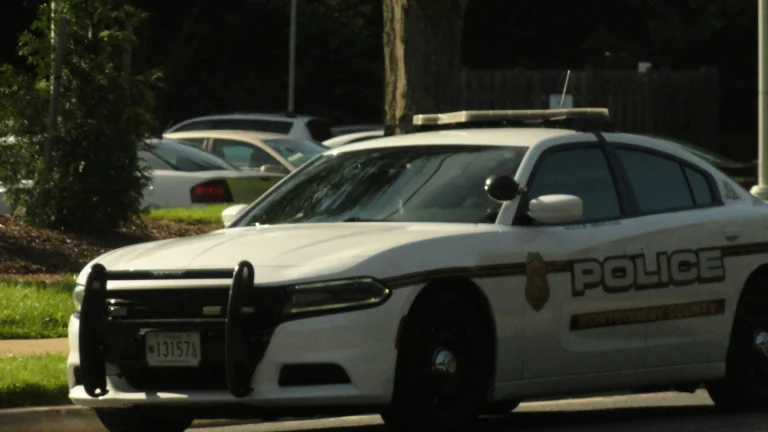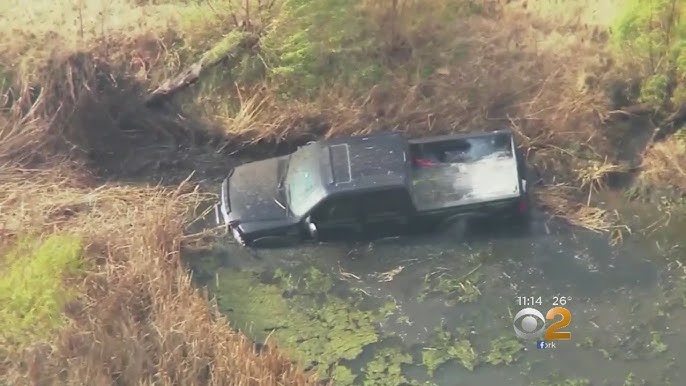
What started as a reckless high-speed chase quickly turned into something far more dangerous when a stolen pickup truck driver took things off the pavement and into unpredictable terrain. Footage of the incident, aired March 15, 2026, shows just how quickly a pursuit like this can spiral out of control — not just for law enforcement, but for everyone else sharing the road at the time.
A Real Chase With Real Consequences
The driver behind the wheel of the stolen truck didn’t just run. He treated public streets like an obstacle course, weaving through intersections, cutting across traffic, and forcing other drivers into split-second decisions with essentially no warning. As the footage shows, he maneuvered through traffic with little regard for signals, lanes, or the vehicles around him. It resembled a high-stakes video game, except the consequences were entirely real: every intersection crossed at speed raised the risk of a serious collision, not just for the suspect, but for innocent drivers caught up in the chaos. That’s the core danger of pursuits like this — it was never just about catching one suspect, it was about managing risk that spreads outward to everyone nearby.
When the road no longer offered an easy escape route, the driver pushed further, taking the stolen pickup off-road entirely. That decision added a new layer of unpredictability, turning an already dangerous situation into something even harder for officers to control or contain.
A Second Chase Raises Different Questions
In a separate incident featured in the same broadcast, a driver in a silver Toyota led the California Highway Patrol on a pursuit spanning multiple freeways. What stands out about this one is reportedly how it began — with an alleged cell phone violation. A stop that could have stayed a minor traffic matter escalated into a full-scale, multi-freeway chase, and by the time it moved onto surface streets, the situation had shifted from a straightforward pursuit into a tense standoff that drew even more attention and raised even more questions about how it got there in the first place.
Where Enforcement Meets Risk
These two incidents, while unrelated, point to the same underlying issue: the balance between enforcement and public safety. High-speed pursuits remain one of the most controversial parts of modern policing, especially when the original cause of a stop looks minor compared to the risk created once a chase is underway. In the case of the stolen pickup, the threat was obvious from the start — a stolen vehicle combined with reckless driving is an immediate danger law enforcement is expected to address, and the potential for harm only grew as the situation escalated.
The second chase adds a different dimension to that same debate. When a pursuit begins over something as minor as a suspected phone violation, it raises real questions about proportional response. Once a driver chooses to flee, the situation obviously changes — but the origin of the stop still shapes how the public views the risk that follows.
Why This Should Matter to Everyday Drivers
For everyday drivers, incidents like these are more than just dramatic footage to watch online. They’re reminders of how quickly normal traffic conditions can turn genuinely dangerous. One reckless driver can disrupt an entire roadway, forcing everyone else into defensive maneuvers that carry their own risks. There’s also growing awareness among drivers and enthusiasts about how these situations get handled afterward — the outcome of a chase doesn’t just affect the people directly involved, it shapes public perception, policy decisions, and how aggressively future incidents get managed by departments watching how this one played out. Drivers who value control, precision, and responsibility behind the wheel tend to find scenes like this genuinely frustrating, not because of the pursuit itself, but because of the chaos it introduces into environments where predictability is supposed to matter.
The Bigger Picture Behind the Footage
Incidents like these reflect a broader reality in today’s driving landscape. Vehicles are more capable than ever, roads are more crowded, and the stakes climb higher every time something goes wrong. When a driver pushes beyond the limits of control, the ripple effects are immediate and widespread, and law enforcement simultaneously faces increasing scrutiny over exactly how these situations get handled. Every pursuit becomes its own case study in balancing accountability, safety, and the genuine need to stop dangerous behavior before it hurts someone — there are no easy answers here, only difficult trade-offs. For the automotive world specifically, it reinforces an important distinction: enthusiasts may love speed, power, and performance, but those qualities are meant to be exercised with control, not chaos.
What This Means Moving Forward
The footage from these chases doesn’t just capture dramatic moments — it forces a closer look at how quickly situations escalate and how difficult they become to contain once they do. Whether it’s a stolen truck turning city streets into a hazard zone or a minor violation spiraling into a multi-freeway pursuit, the pattern holds: once a driver decides to run, everything changes. The real question isn’t just how these chases end. It’s how often they should begin in the first place, and what that decision means for everyone else on the road when they do.
About the Author