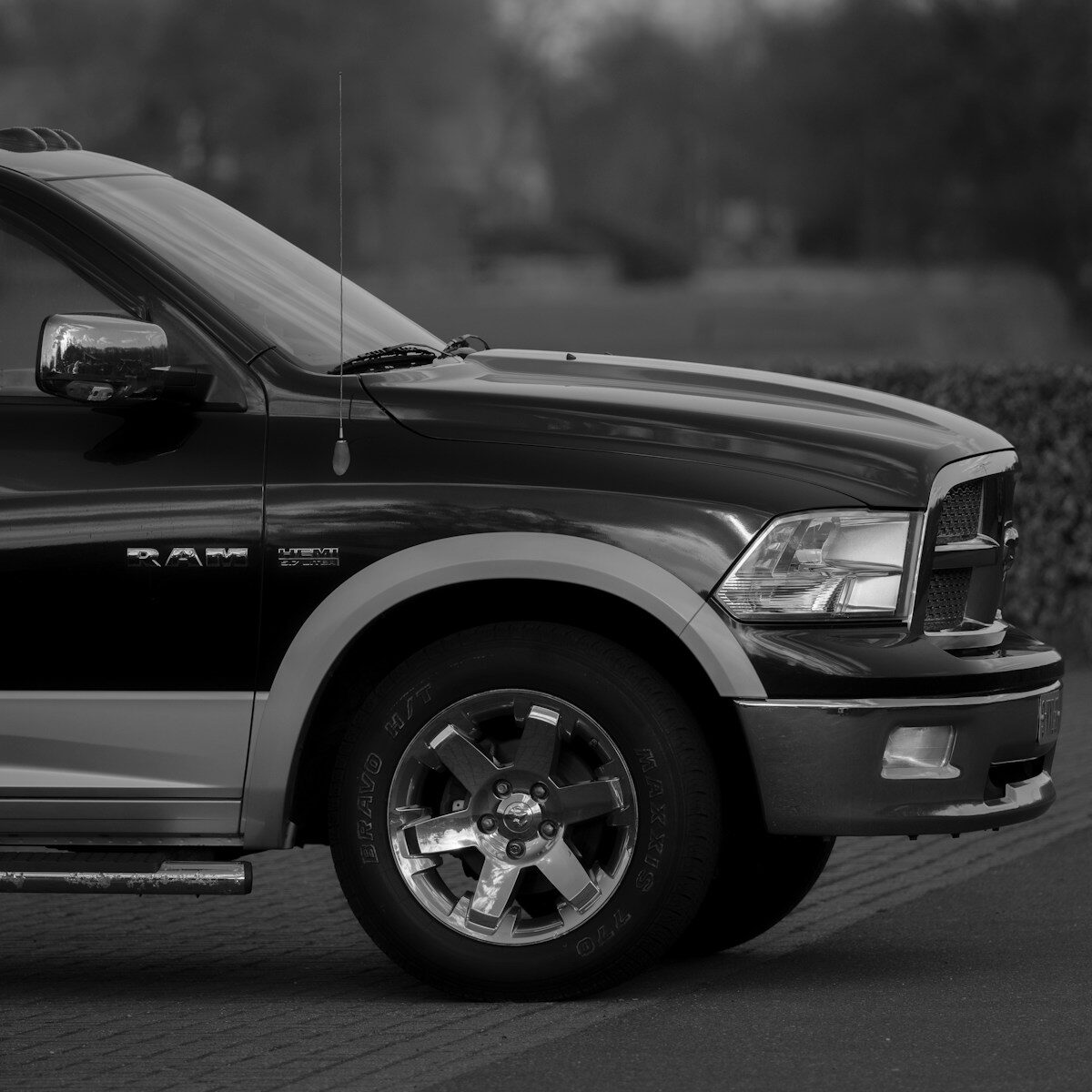
Two Ram 1500 owners say their trucks have developed a nasty habit of shutting off without warning, and their experiences are now the foundation of a federal class action against FCA US LLC. The case, filed August 25, 2026, in the U.S. District Court for the Eastern District of Michigan, targets the control software running Stellantis’s 3.0-liter Hurricane twin-turbo six, the engine that became the standard powerplant across most 2025 Ram 1500 trims after Stellantis retired the naturally aspirated 5.7-liter Hemi V8 that had anchored the lineup for two decades.
Plaintiffs Charlene Norberg and Tim Craig allege that a defect in the engine control module and powertrain control module can trigger misfires, hesitation, check-engine lights, loss of power-assisted braking, and outright stalling, sometimes while the truck is moving at highway speed. In some instances, the complaint says, the trucks drop into limp mode, a deliberate failsafe that cuts engine output to protect internal hardware. Limp mode makes sense when a control module detects a problem like overboost or an overheating sensor. It makes considerably less sense to the person merging onto a freeway who suddenly can’t get the truck to accelerate.
Two Owners, Two Very Different Failures
Norberg’s truck, bought near Portage, Wisconsin, in August 2024, allegedly stalled twice during remote-start attempts, once in December 2024 and again in April 2025. Her dealer reportedly couldn’t find anything wrong either time. The complaint says she returned to the shop twice more in 2026 for battery drain, and that things escalated on July 30, 2026, when her truck displayed an overheating warning on a highway near Necedah, Wisconsin, dropped into limp mode, and had to be towed back to the dealership.
Craig’s 2025 Ram 1500 Rebel, purchased in Bradenton, Florida, allegedly reported that every safety system had shut off at roughly 1,200 miles, about five months after he bought it. His dealership reportedly held the truck for more than a month and eventually replaced the entire brake booster without ever pinning down what caused the fault. That detail is worth sitting with: a brake booster swap isn’t a small or cheap repair, and doing one without a confirmed root cause suggests a technician chasing symptoms rather than a diagnosis. Intermittent, software-driven electrical faults tend to behave exactly that way. They don’t always throw a clean, repeatable code, which is often why dealers end up replacing expensive parts on a hunch instead.
What We Found Digging Through NHTSA’s Own Files
Rather than take the lawsuit’s own characterization of complaint volume at face value, we pulled NHTSA’s public safety database ourselves. As of this writing, the 2025 Ram 1500 Crew Cab and Quad Cab configurations show 327 complaints, 575 manufacturer communications, and seven safety recalls logged with the agency, alongside zero open defect investigations specific to that model year. None of those seven recalls address stalling or loss of propulsion. They cover an improperly installed seat belt buckle anchor, two separate instrument panel display failures, inoperative trailer lighting and brakes, incorrect tire pressure readouts, inoperative headlights, and a disabled electronic stability control system.
That absence doesn’t mean the defect described in the lawsuit isn’t real. It means NHTSA hasn’t opened a formal investigation into it yet, which is a meaningfully different status than a recall or even a preliminary evaluation. We did find at least one complaint in the database that lines up with the pattern described in the suit: an owner in Santee, California, reported that their 2025 Ram, with just over 4,500 miles on it, unexpectedly shifted out of Drive and into Neutral on three separate occasions, cutting propulsion in traffic, and that their dealer allegedly did nothing about it. That’s a gear-selection fault rather than a classic stall, but it points to the same underlying suspect: a control module that isn’t reliably managing the drivetrain.
The complaint also leans on an older NHTSA investigation into 2022 Ram 1500s and Jeep Wagoneers that it alleges run substantially similar control software, and NHTSA’s database does show investigation activity logged against that model year. Stellantis has leaned hard into sharing electrical architecture and control software across its truck and SUV platforms as it consolidates engineering resources, the same strategy behind the brand’s recent push to spread SRT performance hardware across Ram, Dodge, and Jeep. The upside of that approach is faster, cheaper development. The downside, if the plaintiffs’ theory holds up, is that a single software flaw doesn’t stay contained to one nameplate.
Five Legal Theories, One Underlying Argument
The complaint brings five separate claims, and stacking them is a standard move in defect litigation because each one carries a different burden of proof and a different remedy. The Wisconsin Deceptive Trade Practices Act and Florida’s Deceptive and Unfair Trade Practices Act both target misleading sales conduct, but under Florida law specifically, staying silent about a known defect can itself count as a deceptive omission. Breach of implied warranty is the most straightforward theory on paper: a truck that can lose propulsion on the highway isn’t fit for its ordinary purpose, full stop. Fraudulent concealment is the hardest claim to win because it requires proving FCA actually knew about the defect and hid it, which is why the complaint points to pre-production testing, warranty claims, and internal quality-tracking data as evidence the company had notice. Unjust enrichment is the fallback argument that FCA profited from selling trucks it should have fixed first, a claim that can survive even if a court dismisses the others.
The proposed class covers anyone who owns, leases, or previously owned a 2025 Ram 1500 with the Hurricane engine, with Wisconsin and Florida subclasses as a fallback if a judge won’t certify a nationwide group. The plaintiffs want a court to order FCA to recall or permanently repair the trucks, extend warranties, and refund what owners overpaid, on top of disgorging profits and adding a penalty. None of that has happened yet. FCA hasn’t responded in court, hasn’t admitted anything, and there is no settlement fund or claims process for owners to sign up for right now.
What This Means If You Own One
If you’re driving a 2025 Ram 1500 with the Hurricane engine and haven’t had any issues, this lawsuit by itself changes nothing about your truck mechanically. It’s an allegation, not a finding. But it’s worth being deliberate about a few things. Keep a written log with dates, mileage, and dealer visit records if you ever experience a stall, hesitation, or unexplained warning light, because that paper trail is exactly what plaintiffs’ attorneys and NHTSA both rely on to establish a pattern. File a complaint directly with NHTSA if something happens, even if your dealer waves it off, since that’s the mechanism that actually triggers a formal investigation and, eventually, a recall. And if you’re shopping for a used 2025 Ram 1500 right now, ask the dealer specifically whether the truck’s engine or powertrain control module has had any software recalibrations, because that history should show up in service records even without a formal recall attached.
There’s also a warranty wrinkle worth knowing if you’re the type to modify a Hurricane-powered truck. Stellantis’s Direct Connection performance parts program, which includes supercharger kits priced north of ten grand for Hurricane-powered Rumble Bee trucks, comes with its own warranty fine print that owners should read closely before bolting anything onto an engine already the subject of a defect lawsuit. Adding boost to a control system that plaintiffs allege already struggles with calibration is not the kind of variable you want complicating a future warranty claim.
The Hurricane engine was Stellantis’s bet that a smaller, boosted six could do what a big naturally aspirated V8 used to do, with better fuel economy and, on paper, more low-end torque. That bet is now playing out at dealerships and in federal court simultaneously, an uncomfortable position for an engine barely two model years into full-lineup duty. Whether this particular case survives a motion to dismiss is a separate question from whether the underlying complaints are real, and NHTSA’s own numbers suggest owners are reporting drivetrain problems at a rate worth watching, even if the agency hasn’t connected all the dots yet.
About the Author