Every so often the worlds of high fashion and classic cars collide, and it rarely ends with everyone shaking hands. The latest example just landed in a Hong Kong courtroom: designer Jonathan Riss has filed a High Court lawsuit against Prada, along with chairman Patrizio Bertelli, creative director Miuccia Prada, and their son and executive director Lorenzo Bertelli, alleging the fashion house walked away from a Rolls-Royce build program after acting for months like the deal was locked in. Riss wants at least $5 million to make it right.
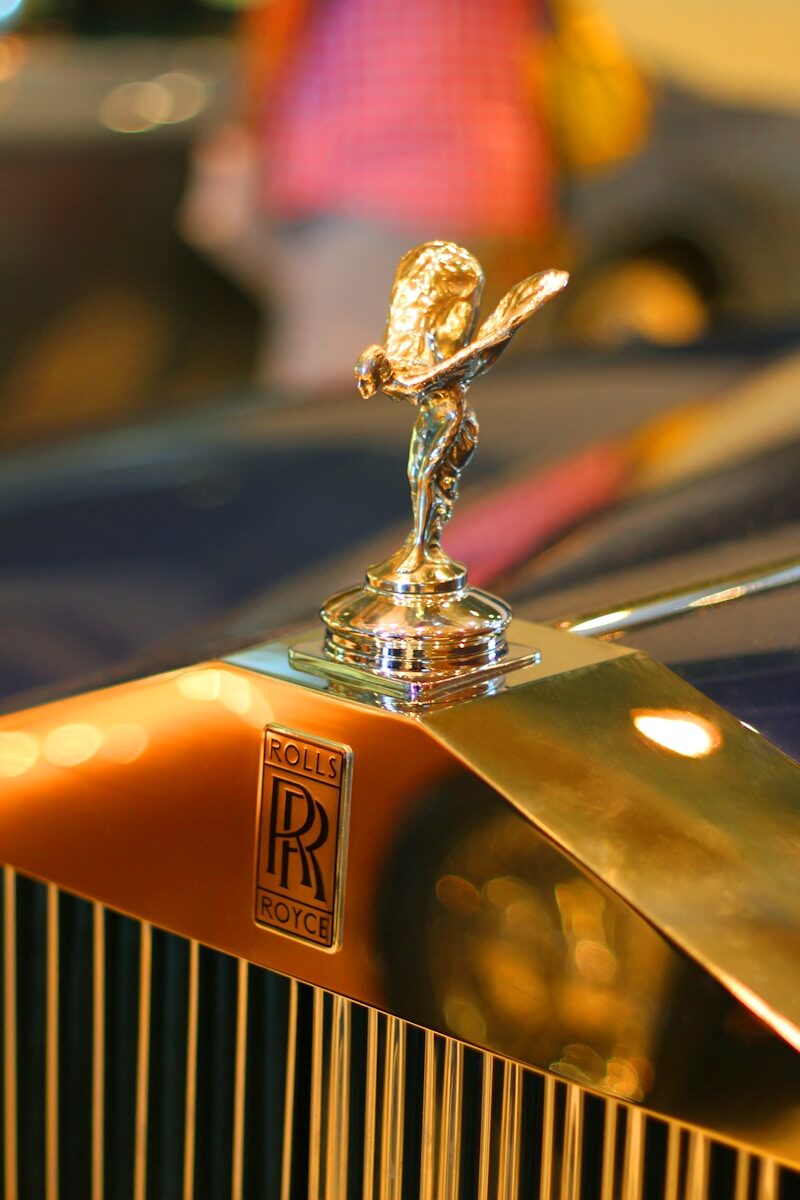
If the name doesn’t ring a bell, that’s fair enough — Riss doesn’t build cars for a living, or at least not primarily. He’s the founder of Jay Ahr, a Paris- and Hong Kong-based label with an odd specialty: buying luxury goods that already exist, cutting them apart, and reassembling them into something considerably more expensive. He’s done it with Hermès and Louis Vuitton bags, and he’s done it with Rolls-Royce Corniches, the chrome-bumpered coupe and convertible Rolls-Royce built between 1971 and 1995, stripping the classic drop-tops to bare metal and rebuilding them as rolling sculpture. Outside of any Prada tie-in, Ahrsenal — the automotive arm of Jay Ahr and a co-plaintiff in the suit — reportedly sells these reworked Corniches for around $1.5 million each, which is real money for a car whose repair bills alone can shock a first-time buyer.
According to the writ, the relationship started modestly in February 2024, when Patrizio Bertelli brought Riss on to rework Prada’s Galleria and Nylon handbags. From there, the scope grew. The two sides allegedly agreed to develop a “neo-prototype” concept blending Prada’s design codes with Jay Ahr’s cut-and-rebuild aesthetic, which evolved into something much bigger: a marketing platform internally referred to as “Prada Strada.”
The car program was the centerpiece. A memorandum drafted in April 2025 reportedly set pricing and deadlines: roughly $900,000 per redesigned Corniche, with at least ten cars planned for rollout at Concours d’Elegance events, auto shows, and rallies across the United States, Italy, Switzerland, Monaco, France, Japan, China, South Korea, and India throughout 2026. Do the math on that for a second: $900,000 a car works out to roughly a 40 percent discount off Riss’s usual rate, which tracks with how a lot of these brand tie-ins actually work. The client eats part of the builder’s normal margin in exchange for global exposure and the marketing rights to say a fashion house helped create the thing, the same logic that gets a coachbuilder to cut its price for a manufacturer-backed reveal car.
Riss claims he held up his end, acquiring three Corniches and sinking real money into design, engineering, and research before a single finished car left the shop. That’s not a small bet. A running, title-clear Corniche donor car alone can run well into six figures depending on condition, long before anyone touches the body panels, reworks the interior, or sorts out paint and trim, the kind of build costs that add up fast even on far less exotic restomod projects. Riss says Prada behaved as though the deal was binding starting in June 2025, but never actually executed the final paperwork, a gap that’s likely to become the center of the case.
Then, in February 2026, Lorenzo Bertelli allegedly told Riss over WhatsApp that the project was being paused for reasons related to accountability. Riss and Ahrsenal call that a unilateral breach, and the lawsuit asks for damages, restitution, an injunction blocking Prada from pursuing the Prada Strada concept without him, and payment for the handbags he had already reworked under the earlier phase of the deal.
There’s a broader lesson here for anyone who has handed over money, time, or a build slot based on a memo and a handshake instead of a fully executed contract. Acting like a deal exists, showing up to meetings, hitting deadlines, trading specs back and forth, can matter in a courtroom, but it is a far weaker position than having an actual signature on a binding document. Hong Kong courts, like most common-law jurisdictions, will look at conduct and correspondence to decide whether an agreement existed even without a final signature, but that is a fight Riss now has to win rather than a formality he could have skipped. It’s a similar dynamic to a restoration deal that fell apart between a NASCAR family and a shop, where good intentions and plenty of verbal back-and-forth didn’t hold up nearly as well as an actual contract would have.
Worth noting: Prada is publicly traded on the Hong Kong Stock Exchange, which makes “accountability” a loaded word to drop into a breakup text. Whether that means a budget review, a governance concern, or something else entirely isn’t spelled out in the filing, and Prada has not issued a public response as of this writing. A listed company citing accountability as its reason for killing a program is exactly the kind of detail a plaintiff’s lawyer leans on later.
For the collector-car world, the case is a reminder that fashion-brand crossovers involving actual cars carry a different level of risk than one involving sneakers or handbags. Sneakers do not require six-figure donor cars, specialized coachbuilding labor, and a shipping and customs plan spanning nine countries. When a build like this stalls out, somebody is left sitting on partially disassembled Rolls-Royces and a stack of receipts, and it is rarely the fashion house with the legal department on retainer. Riss is betting that a Hong Kong judge agrees Prada owes him for treating a nine-figure marketing rollout like something it could simply silence over WhatsApp.
About the Author