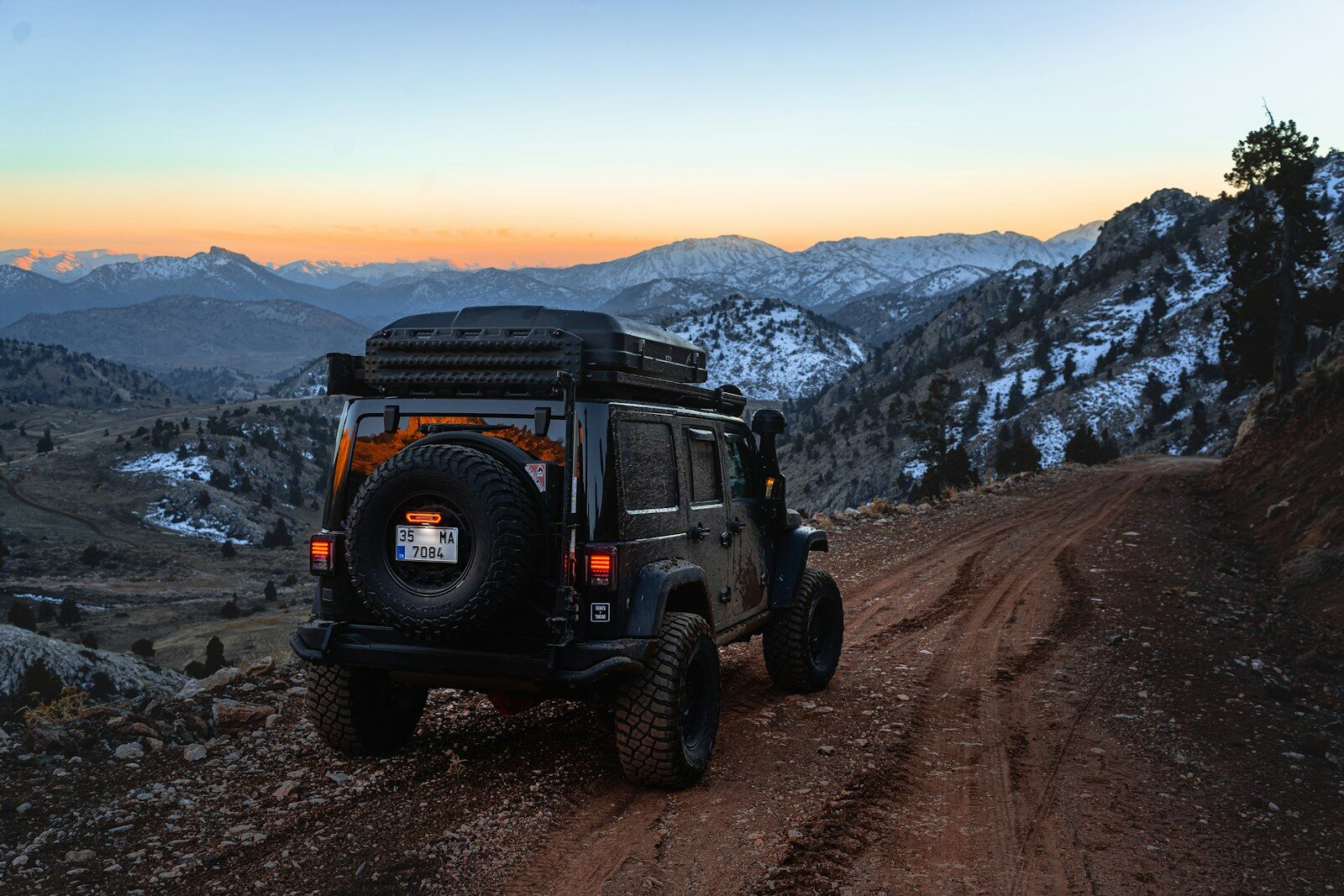
Sooner or later, every off-roader gets stuck. It doesn’t matter how capable your rig is or how skilled you are behind the wheel. Mud, sand, snow, and rock all eventually win, and when they do, the gear sitting in your truck is the difference between a quick recovery and a long, cold walk for help. Building a proper recovery kit isn’t glamorous, but it’s the most important investment you’ll make beyond the vehicle itself.
Start with traction boards. These rugged ramps wedge under your tires to give them something to bite into when you’re buried in sand or snow. They’re simple, they require no second vehicle, and they’ve saved countless solo wheelers from disaster. Pair them with a quality folding shovel so you can dig out around your tires before you try to drive off them.
Next comes recovery rope and rigging. A kinetic recovery rope stretches under load and snaps a stuck vehicle free using stored energy, which is far gentler on both trucks than a traditional chain. Add a pair of rated soft shackles, a tree saver strap, and heavy gloves. Never, ever use a tow ball as a recovery point. Under load they can shear off and become deadly projectiles. Use only rated recovery points bolted to the frame.
A winch is the next tier up, and for serious solo trail work it’s hard to beat. A frame-mounted electric winch lets you pull yourself out of situations no amount of throttle can solve, anchoring to a tree or rock and reeling your truck to safety. It’s a bigger investment and requires learning proper technique, but it transforms what you can tackle alone. Always run a winch with a damper blanket over the line to absorb energy if something fails.
Round out the kit with the unglamorous essentials. A portable air compressor lets you air down for traction at the trailhead and air back up before hitting pavement. A tire repair plug kit handles punctures in the field. Toss in a first aid kit, recovery gloves, and a basic tool roll. None of it is exciting until the moment you desperately need it.
The golden rule of recovery is to never wheel alone if you can help it, and to tell someone your route and return time if you do. Gear fails, batteries die, and cell signal disappears the moment you need it most. A well-stocked recovery kit paired with a little planning means that getting stuck becomes an inconvenience and a story, not an emergency.
About the Author