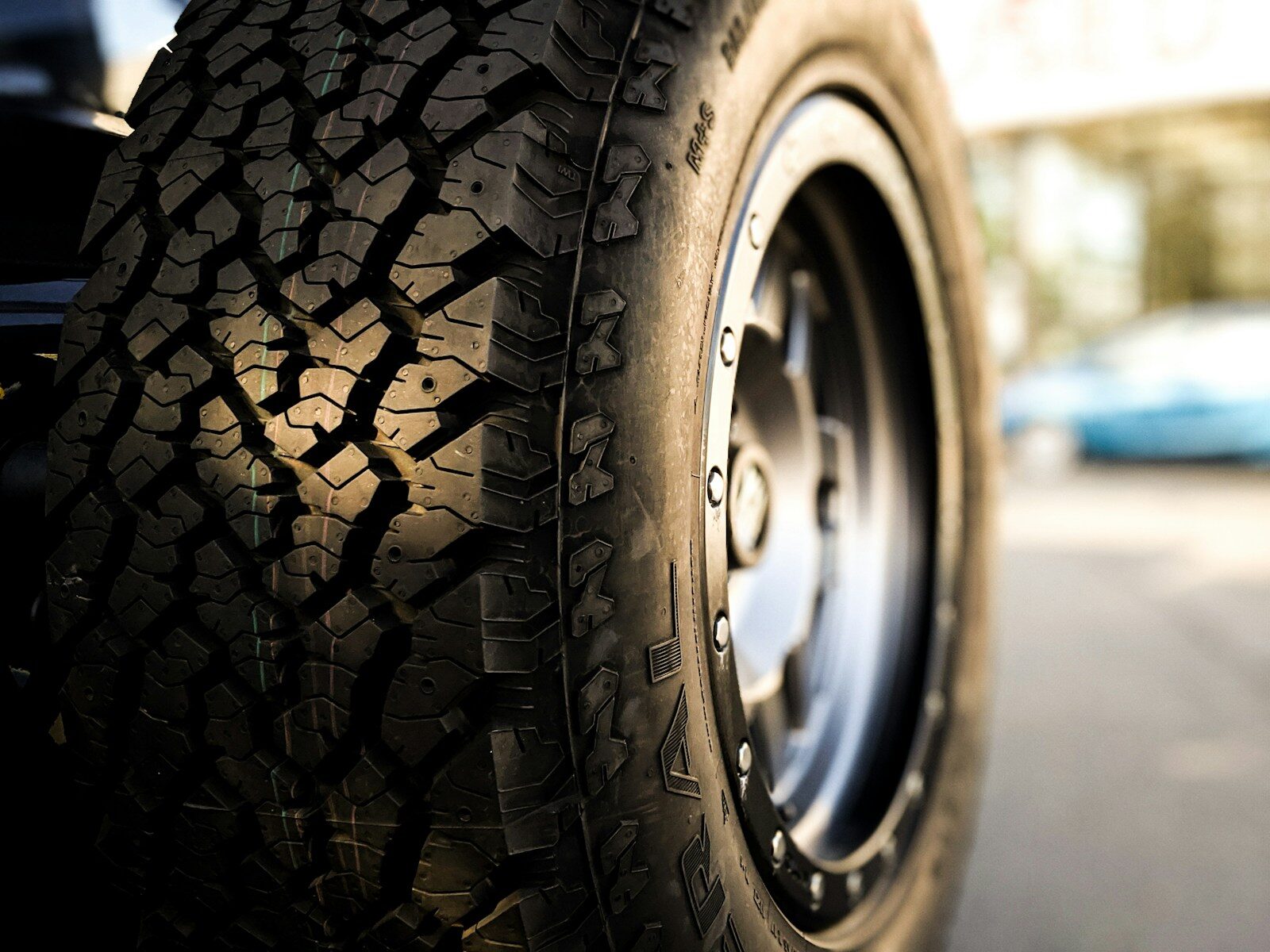
The side of your tire is covered in a jumble of numbers and letters that most drivers ignore until something goes wrong. But that string of characters is a complete spec sheet, and learning to read it can save you from buying the wrong tires, overloading your truck, or driving on rubber that’s older than it looks.
Take a typical example like P265/70R17 115T. That leading letter tells you the tire’s intended use. A P means it’s a P-metric passenger tire, while an LT signals a light truck tire built for heavier loads and higher inflation pressures. If you tow or haul regularly, that distinction matters a great deal.
The first number, 265, is the section width in millimeters, measured from sidewall to sidewall. The number after the slash, 70, is the aspect ratio. It expresses the sidewall height as a percentage of the width, so a lower number means a shorter, sportier sidewall and a higher number means a taller one that soaks up bumps better. The R simply means radial construction, which is what virtually every modern tire uses.
The 17 is the wheel diameter in inches, telling you the tire is built to fit a 17-inch rim. Then comes 115, the load index, which corresponds to the maximum weight each tire can support. A higher number means more carrying capacity, and on trucks this figure is worth checking carefully. The final letter, T here, is the speed rating, indicating the maximum speed the tire is certified to handle. Common ratings climb from S and T through H, V, and beyond.
There’s one more code most people never notice: the DOT date stamp. Near the rim you’ll find a four-digit number inside an oval, like 2223. That means the tire was built in the 22nd week of 2023. Rubber degrades with age even when a tire looks unused, so on a used vehicle or a spare that’s been sitting, this stamp can reveal that your tires are quietly past their prime.
None of this requires a mechanic’s knowledge. The next time you’re shopping for tires or eyeballing a used truck, walk around and read the sidewalls. In thirty seconds you’ll know whether the rubber matches the vehicle’s needs, whether it can carry your loads, and whether it’s fresh enough to trust. That’s a lot of useful information hiding in plain sight.
About the Author