A late-race collision at Daytona lasted only seconds, but the conversation it triggered inside NASCAR’s garage has run for days, pulling in several of the sport’s most visible female drivers, including a member of the Earnhardt family.
The Incident Itself
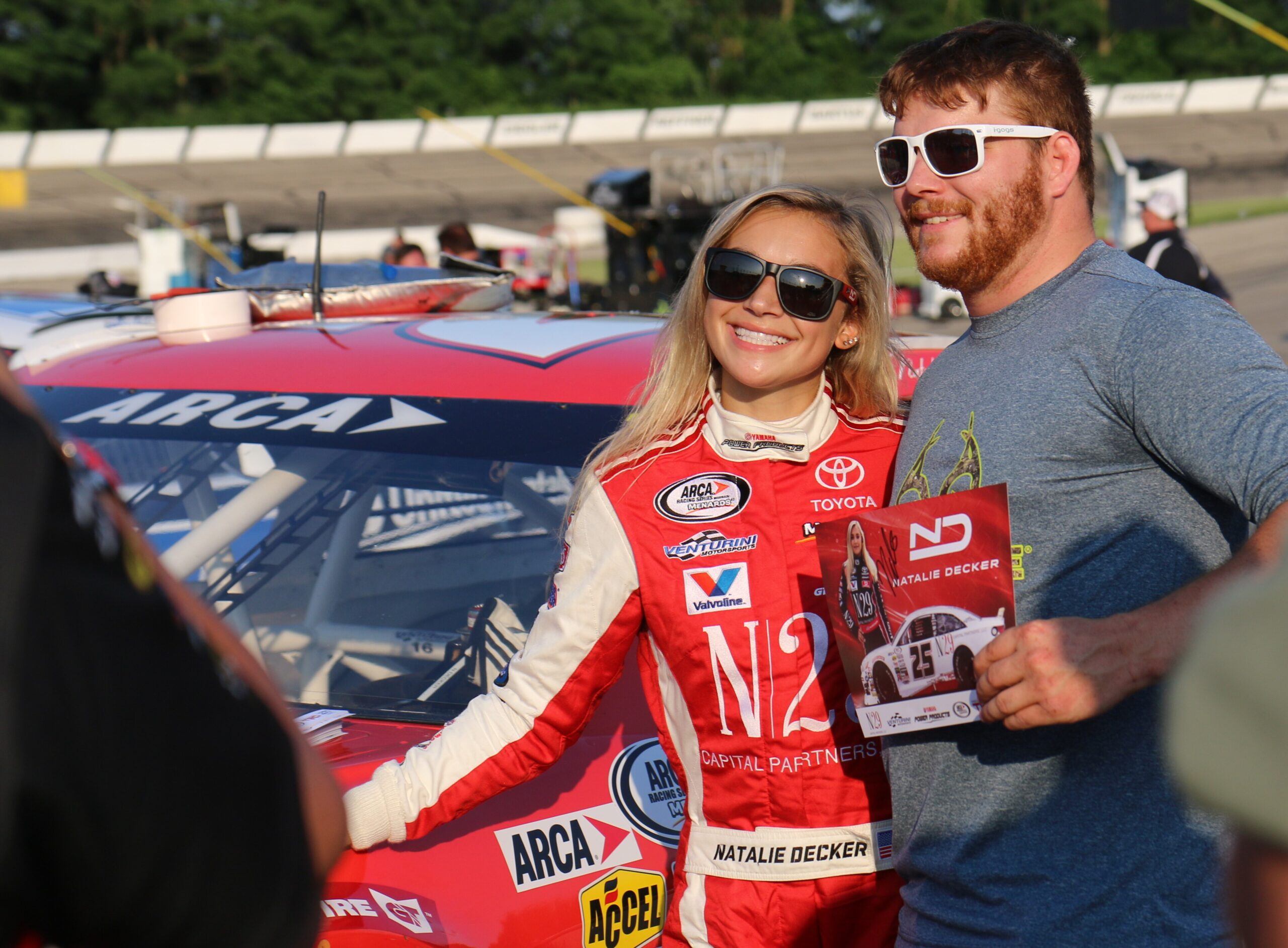
Natalie Decker was caught up in a multi-car incident during the O’Reilly Auto Parts Series race at Daytona. Television analysts noted afterward that drivers are generally expected to slow when a caution flag comes out and wreckage is still moving, though they stopped short of assigning definitive blame for what happened. Decker herself attributed the collision to the path of a spinning car, an explanation that didn’t quiet the online scrutiny that followed.
Why Other Drivers Got Involved
What turned this from a fan argument into a genuine industry conversation was who spoke up next. Karsyn Elledge, granddaughter of Dale Earnhardt and a co-host of Dirty Mo Media’s “Door Bumper Clear” podcast, said publicly that she found the moment embarrassing for women trying to earn respect in the sport, without framing it as a personal attack on Decker. ARCA Series driver Taylor Reimer followed with her own social media comments emphasizing the responsibility that comes with being a role model in motorsports, noting that every action on and off the track carries weight with sponsors, teams, and young fans watching. Jade Avedisian then shared Reimer’s post, reinforcing the same message about holding a high standard in a sport where opportunities for female drivers remain limited and scrutiny is constant.
None of the drivers who spoke up leveled a personal attack at Decker directly. But the underlying message was consistent across all three: visibility in NASCAR comes with responsibility attached, whether a driver asked for that spotlight or not.
Why Decker’s Profile Makes This Bigger
Decker doesn’t run a full-time national series schedule, but she remains one of the more recognizable female names in NASCAR, which means her moments, good or bad, tend to travel further than those of a typical developing driver. That visibility cuts both ways. In a sport where sponsorship dollars increasingly follow attention as much as results, controversy can generate exposure that a quiet, solid finish never would, and that dynamic complicates how drivers and teams think about managing a public moment gone wrong.
Two Philosophies, One Spotlight
For drivers working up through ARCA and other development series, performance is generally viewed as the surest path to long-term legitimacy, and headlines built around crashes or social media moments instead of finishes tend to breed frustration among peers grinding toward the same opportunities. For others, building a personal brand and public presence is treated as a necessary tool for securing sponsorship in a market where funding doesn’t always follow results alone. The Daytona incident put that tension out in the open rather than leaving it as an unspoken disagreement within the garage.
What Happens From Here
Decker is expected to keep making select starts this season, and whether this moment fades quickly or lingers likely depends on what happens the next time she’s in contention. Either way, the discussion has already moved past one superspeedway crash. It’s become a stand-in for a broader argument among NASCAR’s female drivers about what standards should define the next stage of their sport’s growth, and who gets to set them.
About the Author