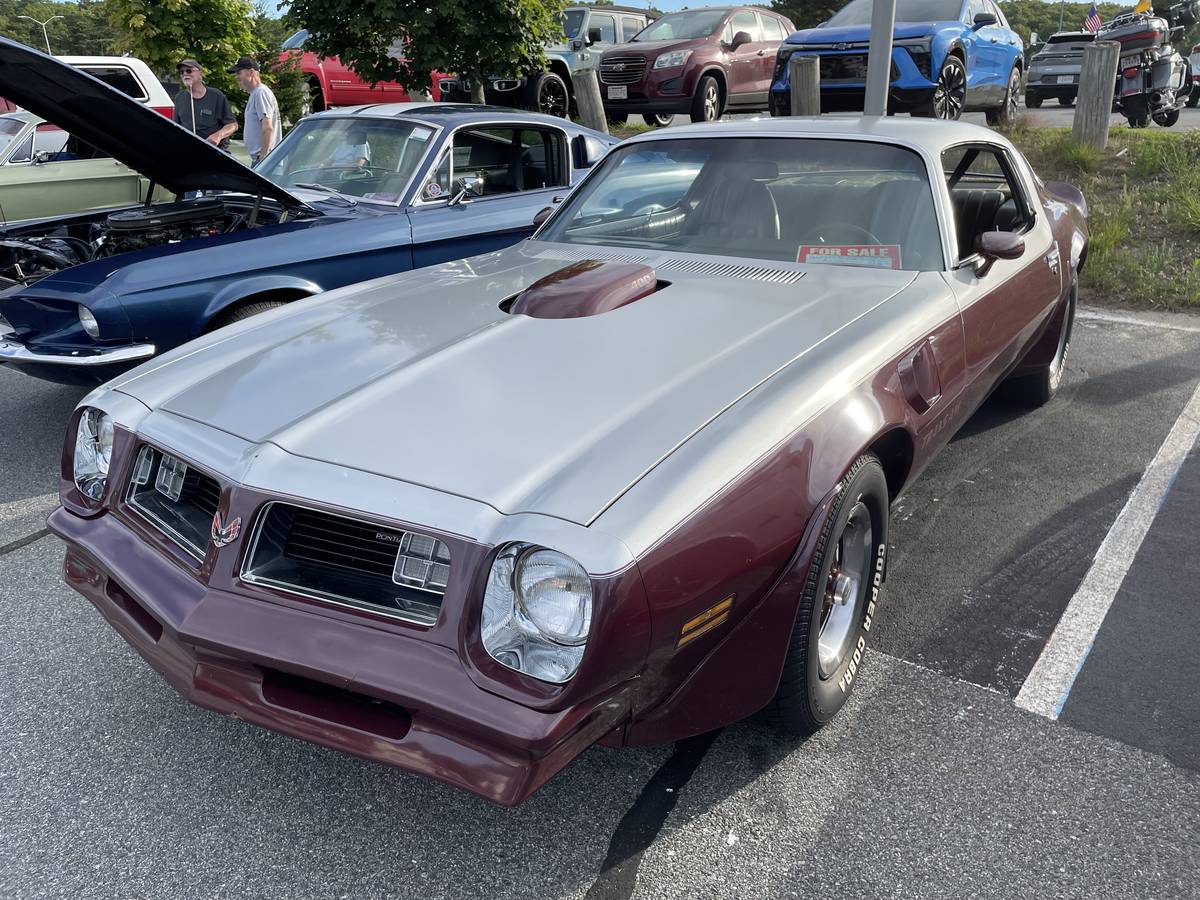
A 1976 Pontiac Trans Am is back on the market, but it’s not the kind of untouched survivor collectors usually fight over. Instead, this car tells a different story, one that cuts straight into a growing divide in the classic car world: originality versus personalization. This one lands right in the middle.
A Long Storage History, but Not a Factory-Pure Car
The owner is selling the car after years of limited use, including more than two decades spent parked indoors between 2011 and 2022. That kind of storage history usually boosts appeal, with low exposure and less wear typically meaning better preservation. But here’s where things start to shift: this Trans Am isn’t a factory-pure time capsule. Visually, the car still grabs attention, wearing a custom maroon and silver paint scheme paired with the iconic shaker hood that defines the model. Inside, it keeps some of its roots intact with black vinyl upholstery and the original Trans Am steering wheel, but modern touches creep in too, including an upgraded stereo system with Alpine speakers that replaces the kind of setup purists expect to see in a car from this era.
That detail matters. For a certain group of buyers, those changes are upgrades: better sound, more usability, a car you can actually drive and enjoy. For others, it’s a step away from what makes a classic valuable in the first place.
A Standout Model From a Big Year for the Firebird
The Trans Am isn’t just any classic. In 1976, it was the standout model in Pontiac’s Firebird lineup — out of more than 110,000 Firebirds produced that year, nearly 47,000 were Trans Ams, making it the clear favorite among buyers and more than doubling the production numbers of the next closest trim. Most of those cars came equipped with the L78 400 engine, the standard setup that appeared in the vast majority of builds. A smaller number received the L75 455, but that option was limited and tied to a manual transmission. This particular car follows the more common path, fitted with a 400-cubic-inch engine paired with a Quadrajet carburetor and an automatic transmission.
On paper, that combination is exactly what many buyers expect: reliable, recognizable, and true to the era. The seller says the car starts, runs, and drives properly, with no major mechanical issues flagged. The odometer shows 73,000 miles, a figure that lines up with the car’s long periods of storage. So far, it sounds like a solid driver. But it isn’t the mechanical side that creates tension here. It’s everything else.
Why It’s Priced at $20,000
The car was refreshed years ago, long before it became a true collector piece. Back then, modifying a Trans Am wasn’t controversial, it was common. Owners personalized their cars without thinking about future auction values or originality scores. Today, that same mindset can cost real money. The paint isn’t perfect and needs attention in spots, which alone would already factor into pricing. Combined with the non-original configuration and modern additions, it shifts the car out of the high-end collector category, which is exactly why this Trans Am is listed at $20,000. An untouched, numbers-matching example would command significantly more.
That gap is where the real conversation begins. Buyers aren’t just deciding whether they like the car — they’re deciding what kind of car they want to own. There’s a growing split in the market: on one side, collectors chasing factory-correct cars down to the smallest detail; on the other, drivers who want something they can actually use without worrying about preserving every original component. This Trans Am sits right between those two camps, which is what makes it interesting.
Restore It, or Leave It As Is?
For someone willing to reverse some of the modifications, there’s potential here. The bones of the car are still solid, and key original components remain, including the radiator and core layout. Bringing it back closer to period-correct condition could increase its appeal, though it would take time, effort, and money. At the same time, there’s an argument for leaving it exactly as it is — the custom paint and modern audio system reflect a different era of ownership, one where driving and enjoying the car mattered more than future resale value. That history is part of the car now, whether purists like it or not.
The seller is offering the car with a clean Florida title, even though it’s currently located in Massachusetts, adding a layer of logistical consideration that doesn’t change the core issue: the real question isn’t where the car is, it’s what the car represents. This isn’t just a sale listing, it’s a snapshot of how the classic car market is evolving. Buyers are no longer chasing a single definition of value. Some want untouched originality. Others want usability. And then there are cars like this one, caught in between, forcing people to decide what actually matters. At $20,000, this Trans Am isn’t trying to compete with museum-grade examples. It’s offering something different: a chance to own a piece of Pontiac performance history without paying top-tier collector prices, but with compromises attached. Every modified classic like this raises the same question: is it better to preserve the past exactly as it was, or to accept the changes that came along the way and keep driving?
About the Author