
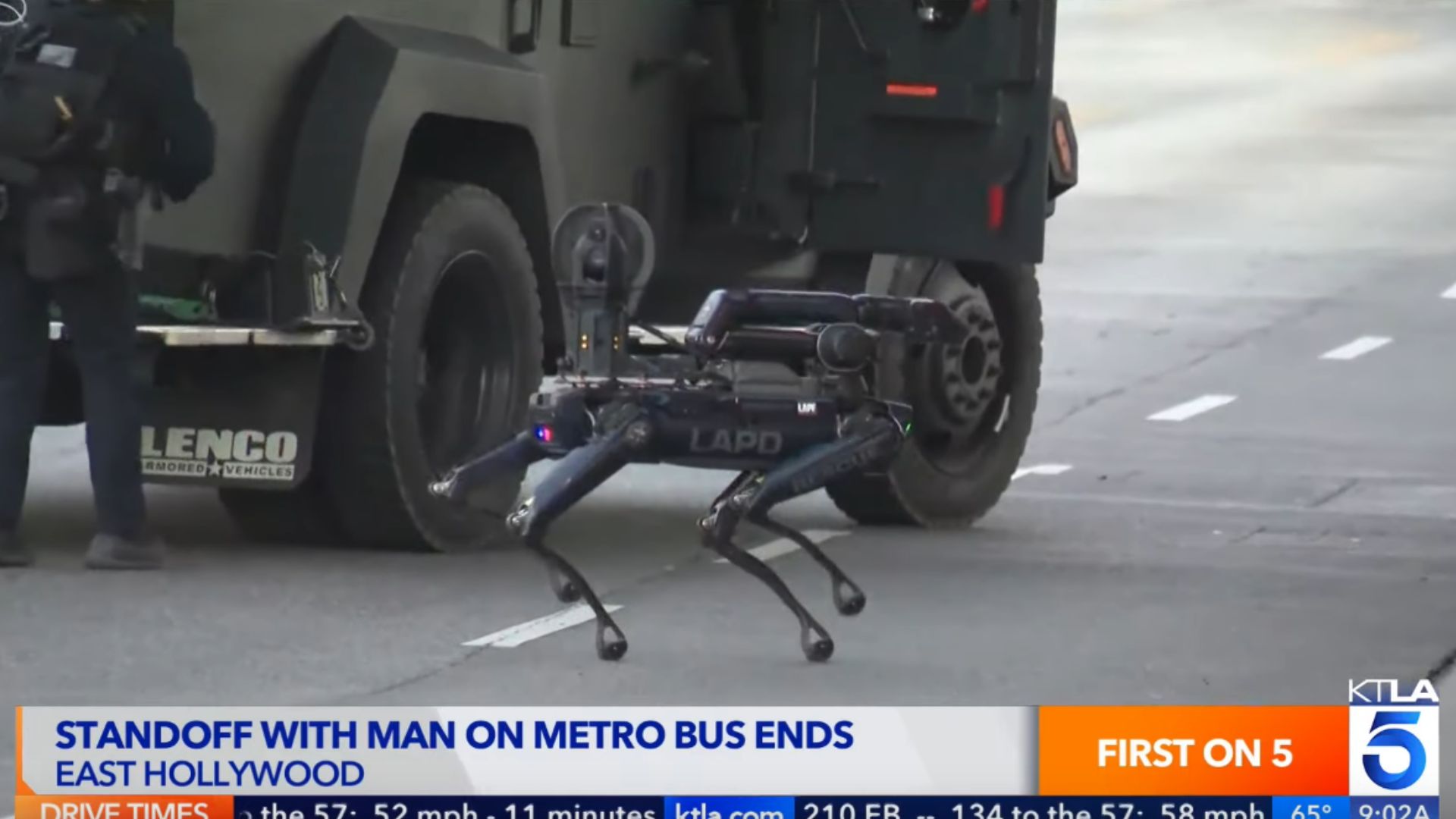
The robotic quadrupeds that spent years generating attention in laboratory and demonstration videos have made the transition to active law enforcement deployment, with police departments in several jurisdictions beginning to integrate the machines into their operational toolkit.
From Lab to Street
Boston Dynamics’ Spot and similar units from other manufacturers have been the subject of police interest for several years, with departments evaluating their potential for remote reconnaissance, hazardous environment assessment, and situations where sending a human officer into a space first carries significant risk. The transition from evaluation to active deployment represents a meaningful step in the technology’s operational maturity.
The Use Cases
Robot dogs in law enforcement contexts are primarily deployed for surveillance, bomb squad support, and entering potentially dangerous environments ahead of human officers. The machines can carry cameras, sensors, and communication equipment that extends the situational awareness of officers without putting human life at risk during initial assessment. They are not armed in standard deployments, though that distinction has been a subject of public policy debate in several cities.
Public Reception
The deployment of robotic law enforcement tools has drawn both practical support and civil liberties scrutiny. Advocates point to the safety benefits of keeping officers out of harm’s way. Critics raise concerns about surveillance scope, data retention, and the psychological effect on communities of robot-augmented policing. Both perspectives are being actively debated in cities where the technology has been introduced.
About the Author




4 thoughts on “Law Enforcement Agencies Are Deploying Robot Dogs on the Street”