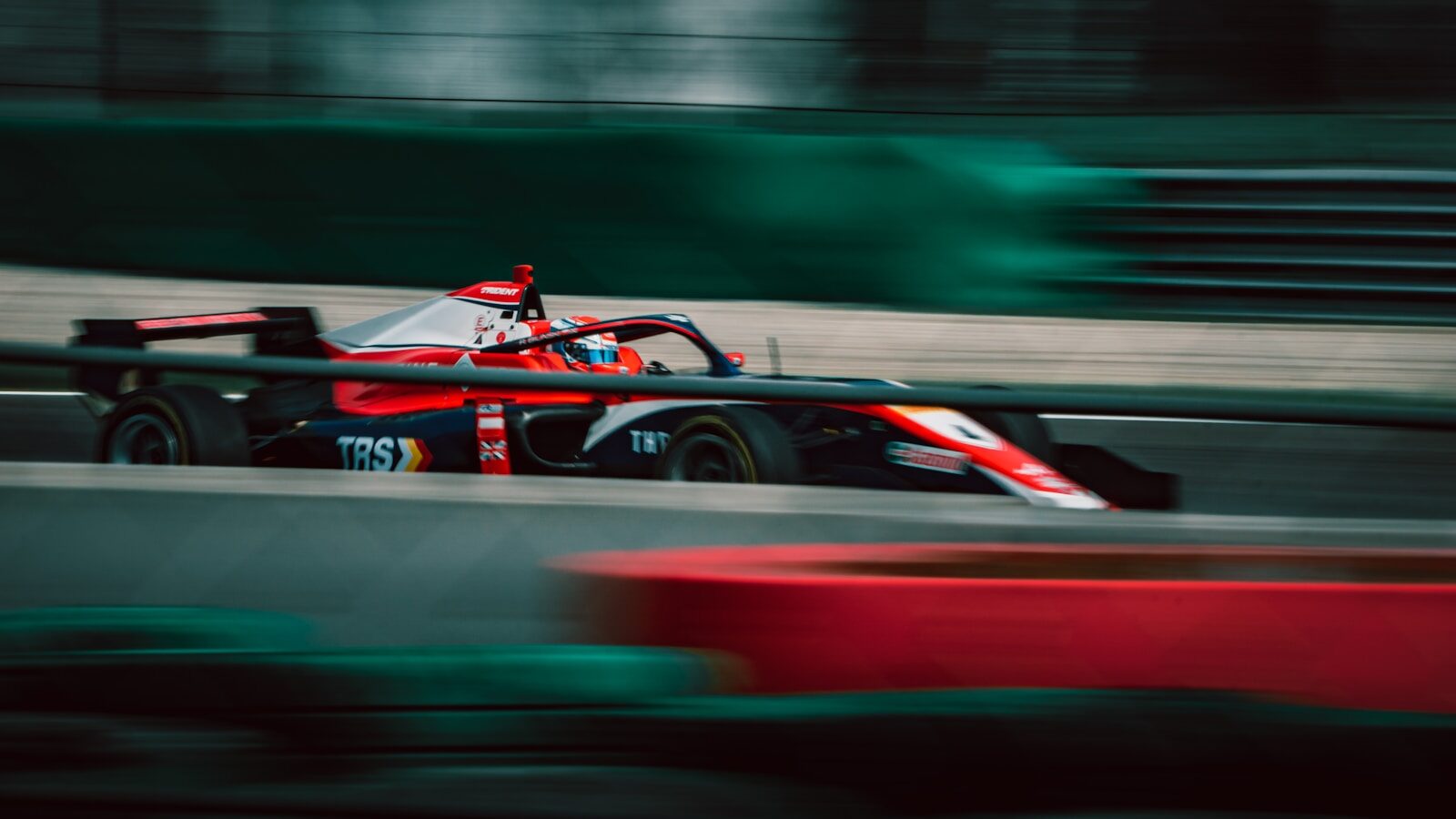
Photo: Isaac Maffeis / Unsplash
Formula 1 spent most of 2026 insisting its move to Apple TV was working. Then, within days of new data showing the sport’s US television reach sliding hard, Apple did something that undercut that message without anyone in Cupertino saying a word: it raised the price of the subscription. Apple TV now costs $14.99 a month, up from $12.99, with the annual plan climbing from $99 to $119. If you’re the fan who activated a free trial just to catch the Miami Grand Prix and then canceled, Apple’s fix wasn’t a better trial. It was a higher price.
The arrangement dates back to October 2025, when Apple and Formula 1 announced a five-year deal making Apple TV the sport’s exclusive US broadcast home starting with the 2026 season, ending F1’s eight-year run on ESPN. Every practice session, qualifying round, Sprint, and Grand Prix now streams through Apple TV, F1 TV Premium comes bundled in at no extra cost for subscribers, and Apple still carves out select races and every practice session for free viewing, no subscription required. On paper, that’s a more generous access model than the old cable arrangement, as long as you’re already paying for Apple TV or willing to sign up.
The catch shows up in household reach. Data analytics firm Samba, which tracks viewing habits through content-recognition software built into 14.4 million smart TVs nationwide, found that eight of the nine 2026 races it analyzed drew a smaller share of US television households than the same races pulled in 2025 on ESPN and ABC. The season opened gently: Australia dipped 4%, China fell 1%, Japan didn’t move. Every race from Miami onward fell off a cliff by comparison. Miami’s household reach dropped 68% year over year. Monaco, the circuit Hollywood is currently mining for its own heist prequel, fell 66%. By the time the calendar reached the same weekend F1 returned to Spa alongside NASCAR’s North Wilkesboro revival and NHRA’s stop in Sonoma, double-digit reach declines had become the rule rather than the exception.
Samba’s vice president of measurement science, Alyson Sprague, floated a theory that lines up with how streaming trials tend to behave in practice: fans switched on a free trial specifically to watch a race, then never converted into paying subscribers once the trial ran out. That’s a different viewing habit than the one ESPN and ABC spent eight years training into F1 fans, flipping to a channel already sitting inside a cable bundle with no decision required. Apple’s model asks for an active choice and a card number every single time, and plenty of casual viewers apparently aren’t making that choice twice.
Formula 1’s parent company, Liberty Media, fresh off settling a Las Vegas Grand Prix lawsuit over a drain cover that cut a practice session short, isn’t disputing Samba’s numbers so much as arguing they’re the wrong ones to focus on. F1 president and CEO Stefano Domenicali said the Apple partnership is “yielding positive engagement,” pointing to total hours watched up 13% season to date. Samba’s own data backs that up in a narrower sense: average minutes watched per household jumped 127% for the Australian Grand Prix and 113% for Monaco, and 30% of this year’s F1 viewers hadn’t touched Apple TV at all in the second half of 2025. Fewer households are tuning in, but the ones who do are staying locked in longer, and Apple picked up a real chunk of subscribers it didn’t have a year ago.
The math behind why reach is dropping even as engagement rises isn’t complicated. Nielsen’s 2025 figures put ESPN’s distribution at more than 60 million US households, and ABC, which simulcast the Miami, Monaco, and Canadian Grands Prix last year, reaches nearly every television household in the country, a universe now estimated at roughly 128 million homes. Apple TV’s subscriber base, by comparison, was pegged at around 45 million as of 2024. That’s a real audience, but it’s a fundamentally smaller net than a free-to-air simulcast, and it’s an opt-in net rather than one people fall into by leaving the TV on the wrong channel.
Raising the subscription price the same month this data became public reads like either bad timing or a signal about what Apple actually wants from the deal. A price hike does nothing to fix trial churn. If anything, it raises the cost of the exact impulse signup Samba says isn’t converting. That suggests F1 isn’t functioning as a standalone subscriber-acquisition engine for Apple so much as a retention tool inside a much bigger live-sports push that already includes every Major League Soccer match and a weekly Friday night MLB doubleheader. Formula 1 is the hook that keeps existing subscribers renewing, not the discount-worthy headline act.
The timing carries extra weight because Formula 1 spent 2026 trying to grow its American footprint on the track as well as the screen. Cadillac’s factory-backed F1 team, running Valtteri Bottas and Sergio Perez with General Motors money behind it, debuted this season as the first American manufacturer entry in decades, a real bet that US interest in the sport has staying power. Formula 1 is still leaning hard on streaming-native storytelling to keep that momentum going, from Lando Norris’s new Prime Video documentary to its own expanding footprint across Apple’s ecosystem. A shrinking broadcast reach doesn’t sink that strategy, but it does mean the sport is now more dependent than ever on converting the fans who show up into people who stick around, rather than casual channel-surfers discovering a race by accident.
For fans deciding whether to keep paying, the math changed twice in one summer. A monthly Apple TV subscription now runs $14.99, or $119 a year, up from $12.99 and $99, and it’s the only way to get every session live unless you catch one of the handful of races or practice sessions Apple still streams for free. Family Sharing lets up to six people split one subscription, and folding it into Apple One starts at $21.95 a month if you’re already paying for other Apple services, often the better deal if you’re watching more than just races. Weigh that against a cable or streaming package that still carries ESPN, and the comparison isn’t as clean as either side wants to admit: cable bundles cost more overall but come with dozens of other channels, while Apple TV is cheaper standalone but offers nothing else unless you’re already living in the Apple ecosystem.
One more detail worth knowing before treating any of these numbers as gospel: 2026 is also the year Nielsen began rolling out new DASH-based universe estimates and local measurement changes industry-wide, adjusting how television households get counted in the first place. Samba’s smart-TV data and Nielsen’s household estimates aren’t measuring the same thing the same way, and the industry’s own yardstick for reach is shifting this year. That’s a good reason to treat single-season, cross-platform comparisons, including the ones here, as directional rather than exact.
Apple’s deal with Formula 1 runs through the 2030 season, so this is closer to the first lap than the checkered flag. What happens next depends on which number Apple and Liberty Media actually value more: the broad household reach that used to make F1 a fixture of casual American Sunday afternoons, or the smaller, deeply engaged, paying audience that streaming exclusivity is built to produce. Right now, the price increase suggests Apple already knows which one it picked.
Lead image: Isaac Maffeis on Unsplash
About the Author