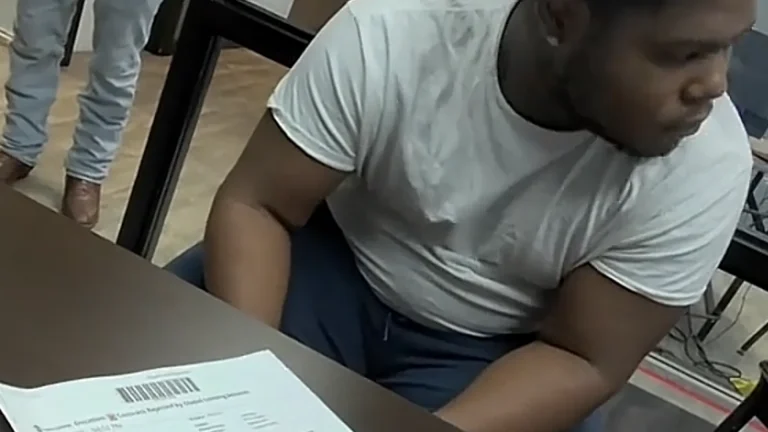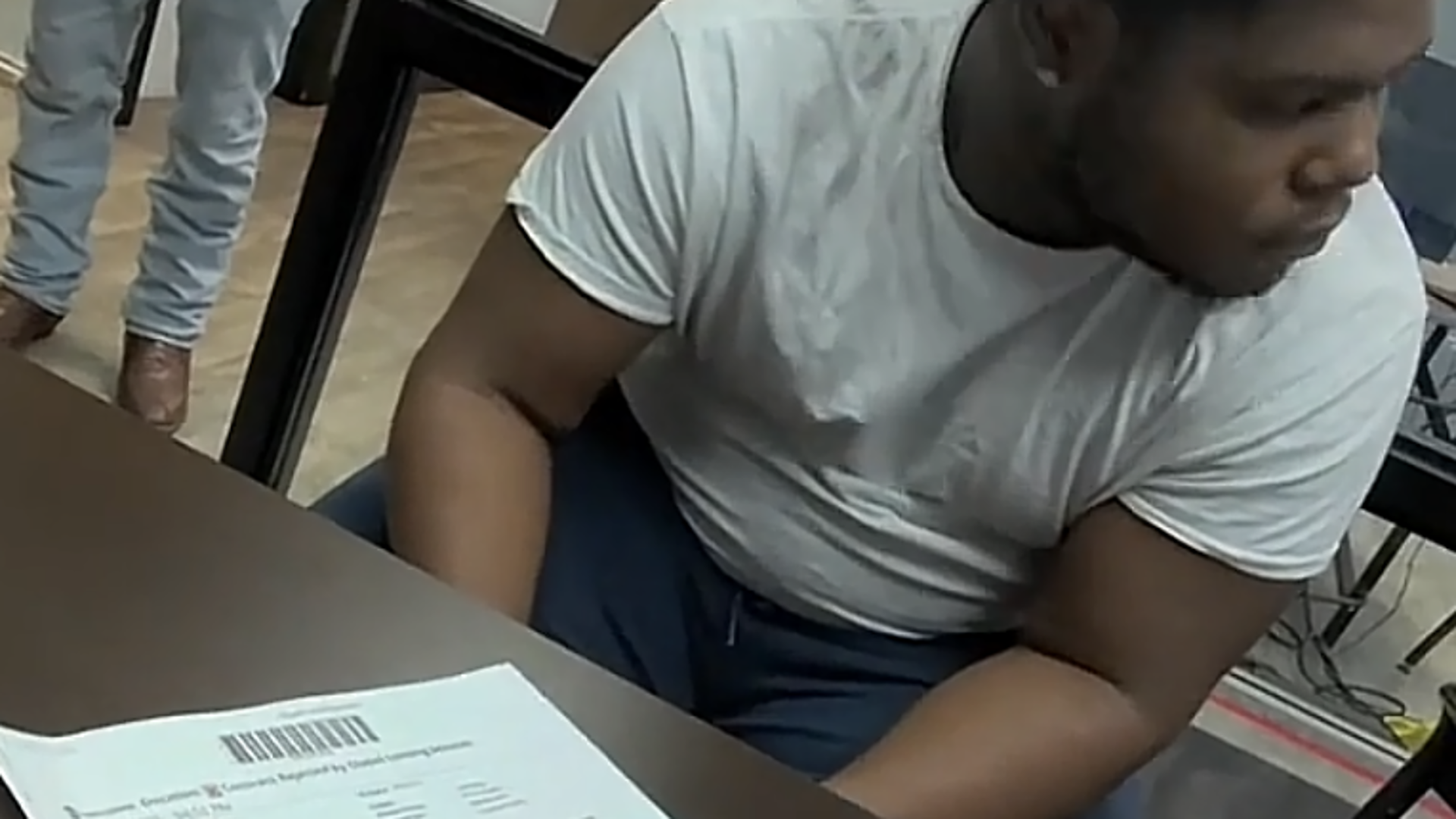
A short TikTok clip shows the kind of car-buying ending nobody puts in a brochure. A dealership employee tells a group of customers that the pay stubs on their credit application were flagged as fake, delivers the line “You committed fraud to buy a car,” and asks for the keys back as security closes in.
What the clip doesn’t show is just as important. I could not identify the dealership, the state, the vehicle, or how the standoff ended, and I found no public record of charges. So treat the accusation as an accusation. The more useful story is how a finance office catches a forged stub, and what happens to a deal built on one.
Pay stubs are the soft spot
A pay stub is a document with numbers on it, and anyone with a laptop can make one. Point Predictive, which sells fraud-screening software to auto lenders and dealers, says in its 2026 fraud report that auto lending fraud exposure climbed to $10.4 billion, up from $9.2 billion the year before, and that income and employment misrepresentation makes up 45% of that total and rose 21% in a year. The company also says fraudsters are using AI to produce synthetic paystubs. Point Predictive Releases 2026 Auto Lending Fraud Trends Report: Fraud Exposure Reaches Record $10.4 Billion – Point Predictive
Related Articles
- Peugeot E-T16 Concept: 816-HP Electric Rally Tribute Explained
- Aumann Auctions Offers Rare 1933 Ford V8 Roadster Pickup, One of Only 306 Built
That’s a vendor sizing up the problem it sells a cure for, so keep some salt nearby. But its CEO put the shift well: “The honest question facing lenders is no longer whether a document looks real.”
That’s the point. Modern screening doesn’t stare at fonts. It checks your stated income against previous applications, tests whether the employer actually exists, and flags patterns across lenders. A flawless-looking stub can still fail because the numbers don’t match the rest of your paper trail.
Whose car is it?
This is where showroom drama runs into contract law. In a typical dealer-arranged loan, the retail installment contract names the dealer as the creditor, according to state attorneys general in a filing with the FTC. They describe spot delivery as dealers sending buyers home in the car before a lender has firmly committed to the agreed terms. If the lender then refuses, the deal can unwind. The same filing urged that dealers tell buyers they have the right to unwind the deal before pushing new terms. www.ftc.gov +2
Getting the car back has its own rules. Under the Uniform Commercial Code, a creditor can repossess after default without going to court only if it proceeds “without breach of the peace” (UCC 9-609). The official commentary adds that a creditor repossessing without a court can’t enlist police to help. A security team surrounding customers inside a showroom is exactly the kind of scene a breach-of-peace claim gets built on. A dealer can be completely right about the paperwork and still get the method wrong. nysenatedccouncil
The criminal exposure
Lying on a loan application to federally insured lenders such as banks and credit unions falls under 18 U.S.C. 1014. A federal appeals court has noted that prosecutors don’t have to show the lie was material. So “it was only a small bump in my income” is not the defense people think it is. Deals funded by lenders outside that statute’s reach still run into state fraud and forgery laws. findlaw
Related Articles
- Ochre 1972 Chevrolet Blazer 4×4 With Removable Hard Top Crosses the Block at Freije & Freije Auctioneers
- Oregon Sheriff Loses Certification for 3 Years After 91-MPH, 0.19 BAC Stop. He’s Appealing
If a deal collapses after you’ve driven off, the mess doesn’t stop when the keys change hands. Call your insurer so you aren’t paying to cover a car you no longer have. Expect the credit inquiries to stay on your report either way. If you traded in a vehicle or put money down, get the dealer’s position on returning both in writing before you leave.
Practical takeaways
For buyers with gig, tip, or cash income: bring bank statements, tax returns, and 1099s. A pay-stub generator is never a shortcut, not even to “round up.” It’s a written record of intent, and it has your name on it.
If a dealer says your financing fell through: ask for the lender’s decision in writing and keep every document you signed.
For dealers: verify income before the car leaves the lot, not after. And maybe don’t explain your fraud-detection methods to suspected fraudsters while someone is filming. The next applicant just got a free tutorial.
Images Via: stevoogotmerollin on TikTok
About the Author