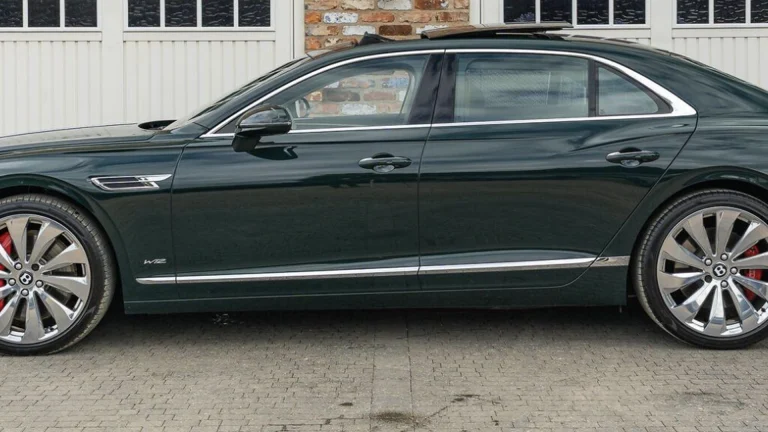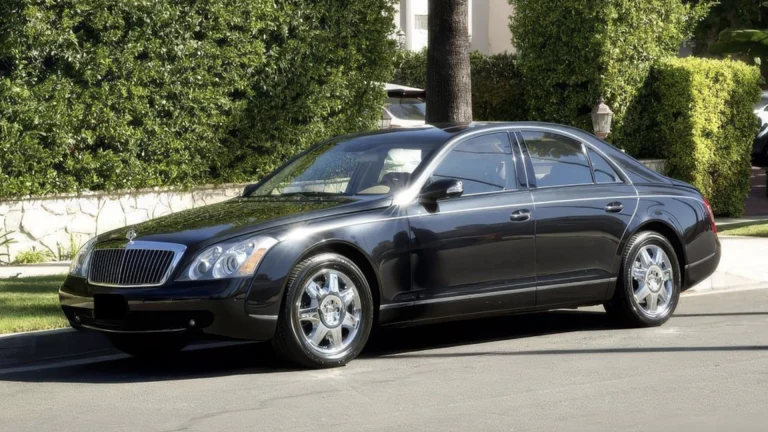
A system meant to help struggling families buy groceries is now tangled up with something few expected to see parked outside a supermarket: Maseratis, Lamborghinis, Bentleys — and not just one or two.
New data tied to a single unidentified state shows thousands of food stamp recipients connected to high-end vehicles, pushing federal officials to move against a loophole that made it possible in the first place. The U.S. Department of Agriculture confirmed it has begun tightening oversight of the Supplemental Nutrition Assistance Program, known as SNAP, after a deep dive into eligibility data revealed patterns that go well beyond paperwork problems.
Researchers cross-referenced recipient data with vehicle ownership records, and the result was an inventory that reads more like a luxury dealership than a public assistance program. More than 14,000 high-end vehicles were linked to individuals receiving food stamps in that one state alone, with brands typically associated with wealth rather than financial hardship. Three Bentleys showed up in the data, along with three Ferraris and 11 Lamborghinis. There were 59 Maseratis, 141 Porsches, and 59 Jaguars. Ferrari pricing can push past $600,000; Bentleys range from roughly $250,000 to more than $400,000; even the lower end of the list, like Maserati and Porsche, regularly starts around $65,000 and climbs far higher.
The specific examples uncovered in the analysis sharpen the contrast further. A university professor receiving SNAP benefits was tied to a 2020 Rolls-Royce valued at $346,000. A recipient described as a celebrity barber owned a 2018 Lamborghini Huracán Spyder worth about $220,000. A professional football player receiving benefits was linked to a 2022 BMW M760i valued at $158,000. When individuals tied to six-figure vehicles are enrolled in a program built around financial need, something in the system isn’t working as intended.
According to the Foundation for Government Accountability, the root of the problem sits inside a policy known as Broad-Based Categorical Eligibility. It was originally created to simplify the process for people already receiving Temporary Assistance for Needy Families, but it expanded over time. Under current rules in many states, eligibility can be triggered by something as simple as receiving a welfare brochure or a hotline number tied to assistance programs. Those minimal connections can qualify as non-cash benefits, effectively bypassing the usual asset and income checks — what started as a way to reduce paperwork has, in practice, allowed applicants to avoid deeper financial scrutiny.
Federal officials are now stepping in to tighten that process. The USDA has proposed changes that would limit categorical eligibility to individuals who demonstrate meaningful participation in assistance programs designed to move households toward self-sufficiency. At the same time, the department is pushing for more comprehensive data from states, requesting details including dates of birth, Social Security numbers, and immigration status to verify eligibility more thoroughly. A preliminary review tied to that data push identified more than 300,000 cases of potentially deceased individuals still listed as SNAP recipients.
Compliance with the USDA’s data request has been uneven: 39 states have complied, while the remaining states, led by Democratic governors including California and New York, have refused to provide the information, citing privacy concerns. That divide complicates enforcement, and without full participation, federal oversight remains uneven across the country.
Meanwhile, broader SNAP numbers are already shifting. USDA data shows 38.5 million Americans receiving benefits in January, down from 42.8 million one year earlier, and officials attribute part of that decline to efforts aimed at reducing fraud and tightening eligibility. Policy changes have also played a role — a major legislative package signed in July 2025 expanded work requirements for certain SNAP recipients, pushing some working-age adults out of the program.
Still, the luxury vehicle findings hit differently. This isn’t a gray area about marginal income differences or temporary hardship. For most drivers, it’s a strange collision of two worlds: high-performance machines built for speed, status, and engineering excellence, now tied to a program meant to help people put food on the table. The USDA’s move to tighten the rules signals a shift back toward stricter oversight, though whether it fully closes the gap remains to be seen, especially with states split on cooperation. When a system designed for need starts overlapping with six-figure car ownership at this scale, it’s no longer a minor issue — it’s a structural problem, and one that regulators are now being pressed to address.
About the Author