Image via KyleBusch/X
NASCAR lost one of the most important drivers of the modern era Thursday.
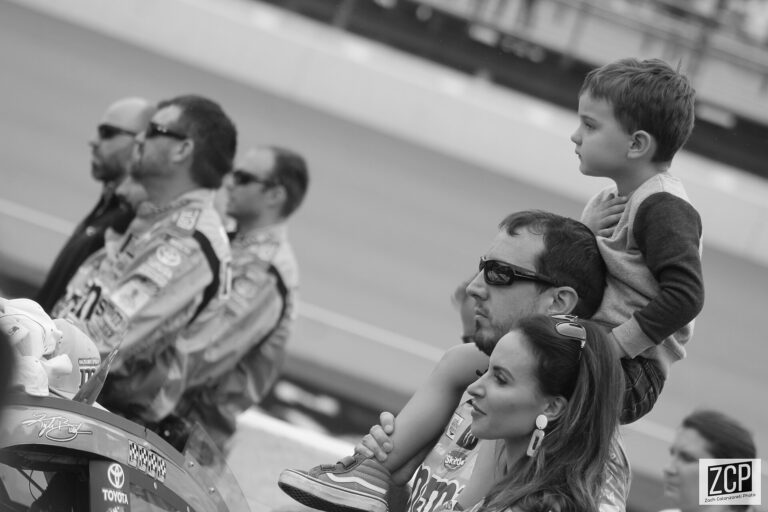
Kyle Busch, the two-time Cup Series champion whose talent, aggression, and larger-than-life personality helped define an entire generation of stock car racing, has died at the age of 41 following what NASCAR earlier described as a severe illness.
The news sent shockwaves through the racing world almost immediately because just hours earlier, Busch’s family had announced he was hospitalized and would miss Charlotte race weekend while undergoing treatment.
By Thursday evening, NASCAR confirmed the unimaginable.
And honestly, it is hard to process what this means for the sport.
NASCAR Lost One of Its Biggest Stars
There are great drivers, and then there are drivers who completely reshape the energy of a sport.
Kyle Busch was firmly in that second category.
Whether fans loved him or hated him, Busch commanded attention the moment he entered NASCAR’s top levels. The Las Vegas native built a career around raw speed, unapologetic emotion, and an intensity that rarely existed in moderation. He could dominate races, start controversies, frustrate rivals, and electrify fans sometimes all within the same afternoon.
That combination made him impossible to ignore for more than two decades.
NASCAR described Busch as a once-in-a-generation talent in its statement Thursday, and honestly, that does not feel exaggerated. Drivers with his level of natural ability simply do not come along very often.
Busch’s Numbers Became Historic
By the end of his career, Busch had compiled statistics that place him among the greatest drivers NASCAR has ever seen.
He captured Cup Series championships in 2015 and 2019 while winning a staggering 234 races across NASCAR’s three national divisions. No driver in history won more races across Cup, Xfinity, and Trucks combined.
That number alone feels almost untouchable now.
Busch earned 63 Cup Series victories during a career filled with dominant stretches and unforgettable moments. He won crown-jewel events, broke records, and routinely embarrassed entire fields when he had a fast car underneath him.
And he did it while carrying the pressure of being one of the sport’s most polarizing figures.
“Rowdy” Became a NASCAR Institution
Nicknamed “Rowdy,” Busch leaned directly into the villain role throughout much of his career.
Fans booed him loudly for years. He embraced it completely.
That edge became part of his identity and part of what made NASCAR more compelling during his era. Busch never tried to sound polished or corporate when emotions boiled over. He argued. He snapped. He celebrated aggressively. He wore confidence openly.
And beneath all of it sat undeniable talent.
Even people who could not stand Kyle Busch usually admitted the same thing eventually. The man could drive absolutely anything with wheels faster than almost everyone else around him.
That truth followed him his entire career.
Busch Helped Shape Modern NASCAR
His impact stretched far beyond wins and championships.
Busch became one of the defining personalities of NASCAR during a period where the sport desperately needed stars capable of generating emotion. Fans reacted strongly whenever he entered a room, which made him enormously valuable to NASCAR whether he was winning races or starting arguments.
He also helped develop younger talent through his Truck Series team ownership and mentorship roles over the years.
That side of Busch often got overlooked because the public version of Kyle was so intense competitively. But many drivers entering NASCAR’s pipeline benefited from opportunities and guidance tied directly to Busch’s programs.
That legacy now becomes even more important.
The Timing Feels Especially Cruel
What makes this news so difficult to absorb is how sudden everything unfolded.
Busch was still actively competing at NASCAR’s highest level. He was still showing flashes of the driver fans remembered from his championship years. He was still one of the most recognizable names in American motorsports.
Then suddenly came news of hospitalization.
Then came this.
There is something especially brutal about losing someone who still felt deeply connected to the sport’s present rather than its past. Busch was not a retired legend looking back on old glory days. He was still out there fighting every weekend trying to claw his way back toward Victory Lane.
That reality makes this hit differently.
NASCAR’s Garage Will Never Feel the Same
The silence around the garage this weekend is going to feel heavy.
Kyle Busch was part of NASCAR’s emotional structure for so long that it becomes difficult imagining race weekends without him somewhere in the middle of the story. Rivalries revolved around him. Headlines followed him. Crowds reacted to him louder than almost anybody else in the sport.
Love him or hate him, he made NASCAR feel alive.
Drivers like that are rare.
Busch also belonged to a generation that carried NASCAR through one of its most turbulent modern periods as the sport fought changing audiences, shifting manufacturers, sponsorship instability, and evolving fan expectations. Through all of it, Busch remained one of the few personalities capable of genuinely moving the needle.
That absence will be impossible to replace completely.
Fans Are Mourning More Than a Driver
For many fans, Kyle Busch represented entire chapters of their lives.
People grew up watching him dominate Trucks on Friday night, win Xfinity races on Saturday, then battle for Cup victories Sunday afternoon. Others spent years passionately rooting against him only to slowly gain respect for his relentlessness over time.
That emotional connection matters now.
NASCAR fans invest deeply in personalities because the sport unfolds over decades, not seasons. Drivers become part of family routines, memories, rivalries, and traditions. Busch occupied that space for millions of people whether they realized it or not.
And now suddenly he is gone.
NASCAR Lost a Giant Far Too Soon
Busch’s final years at Richard Childress Racing may not have fully matched the dominance of his Joe Gibbs Racing peak, but the accomplishments were already secure long before that.
Two championships. More national-series wins than anyone in NASCAR history. One of the fiercest competitors the sport has ever seen.
That résumé speaks for itself.
But beyond the numbers, Kyle Busch mattered because he made people feel something every time he climbed into a car. Anger, excitement, frustration, admiration, loyalty, hatred, respect. It was never neutral.
Drivers who create that kind of emotional gravity do not come around often.
And losing one at 41 feels impossibly unfair.
About the Author