Ferrari Draws a Line in the Sand: Why Self-Driving Tech Isn’t Welcome and Gas Engines Are Staying
Ferrari has officially entered the electric era, but anyone expecting the company to follow the same roadmap as much of the automotive industry may have misread the situation.
The launch of the Ferrari Luce, the brand’s first fully electric model, has sparked plenty of discussion about where the legendary Italian automaker is headed next. For some enthusiasts, the arrival of a battery-powered Ferrari raised concerns that the company might eventually abandon the engines and driving experiences that helped build its reputation.
Ferrari’s leadership is making it clear that is not the plan.
While many manufacturers continue investing heavily in autonomous technology and increasingly automated driving systems, Ferrari says it has no interest in building vehicles that take control away from drivers. At the same time, the company is signaling that internal combustion engines remain a key part of its future, even as electric models become part of the lineup.
That combination sets Ferrari apart at a time when much of the industry is moving in a different direction.
Ferrari Rejects the Self-Driving Trend
The strongest message coming from Ferrari is not about batteries. It is about the driver.
As autonomous technology advances across the automotive world, many brands are promoting systems designed to reduce driver involvement. Some manufacturers view hands-free capability as a major selling point and a glimpse into the future of transportation.
Ferrari sees things differently.
Company leadership has stated that fully autonomous vehicles are not part of Ferrari’s future plans. The reasoning is straightforward. Ferrari believes the experience behind the wheel remains central to what customers are actually buying.
That position creates a sharp contrast with parts of the industry that increasingly emphasize software, automation, and artificial intelligence. Ferrari’s view is that a performance car should still revolve around the person driving it.
For enthusiasts who worry that technology is gradually replacing driver engagement, that message will likely be welcomed.
The Luce Is an Addition, Not a Replacement
The introduction of the Luce represents one of the biggest product shifts in Ferrari’s modern history.
An electric Ferrari was once viewed as almost unthinkable. Yet the company now sees EVs as a legitimate part of its portfolio. The key difference is that Ferrari is not treating electric power as a replacement strategy.
Instead, the company is positioning the Luce as another choice for buyers.
That detail matters.
Many automakers have approached electrification by signaling that traditional engines are living on borrowed time. Ferrari is taking a different approach by presenting internal combustion, hybrid, and electric vehicles as parallel options rather than stages in a transition away from gasoline power.
For customers, that means selecting the Ferrari experience that best fits their preferences rather than being pushed toward a single technology.
The strategy also helps Ferrari avoid alienating long-time enthusiasts who remain passionate about the sounds, characteristics, and emotional appeal of combustion engines.
Buyers Are Already Responding
Despite ongoing debates surrounding the Luce’s styling and pricing, Ferrari says customer interest has been strong.
The company reports that buyers have already committed to purchases, showing that demand exists even among a customer base known for valuing tradition.
That early interest suggests Ferrari may have found a way to expand into the EV market without completely abandoning its core identity.
The challenge facing many performance brands is balancing innovation with heritage. Move too aggressively toward electrification and risk losing loyal customers. Resist change entirely and risk falling behind.
Ferrari appears determined to avoid both outcomes.
Why Gas Engines Still Matter
Perhaps the most significant takeaway is that Ferrari continues to invest attention and resources into combustion-powered vehicles.
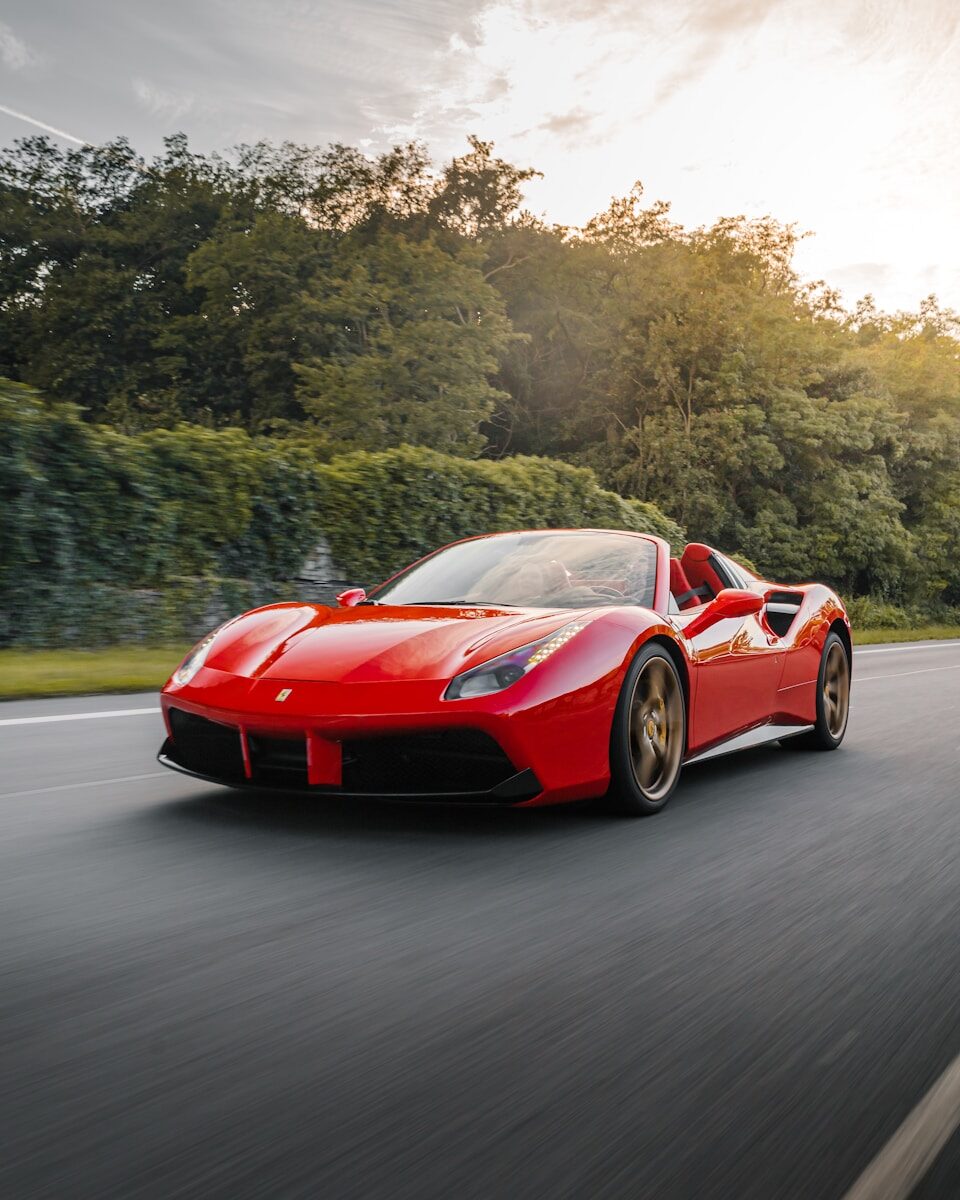
Recent reports have pointed to the possibility of a limited-production manual 12Cilindri. In an era where paddle shifters dominate the supercar market, a manual Ferrari would stand out immediately.
That possibility alone speaks volumes about how Ferrari views its customer base.
There are also indications that the company continues exploring ways to preserve the character of its V12 engines even as regulations become increasingly challenging. Patents suggest Ferrari is examining creative solutions aimed at maintaining the qualities enthusiasts associate with the brand’s flagship powerplants.
This is where the story turns.
While many companies talk about preserving heritage, Ferrari appears to be actively looking for ways to keep some of its most iconic engineering traditions alive.
For fans of naturally aspirated engines, that matters far more than another software update or autonomous feature rollout.
Heritage Still Has Value
The company’s future product discussions also point toward continued interest in performance-focused projects.
Rumors surrounding a more aggressive version of the F80 and potential revival of the GTO name suggest Ferrari still recognizes the value of its history. Those names carry enormous weight among enthusiasts and collectors.
The significance goes beyond nostalgia.
Ferrari’s strongest products have often been vehicles that combine modern technology with unmistakable links to the company’s past. Maintaining that balance helps preserve the exclusivity and emotional connection that separate Ferrari from many competitors.
The Luce may represent the next chapter, but Ferrari is showing no signs of tearing out the previous ones.
What This Means for Drivers
The broader significance of Ferrari’s position extends beyond one automaker.
Across the automotive industry, drivers are increasingly confronted with a future centered on automation, software subscriptions, and reduced engagement behind the wheel. Ferrari is effectively betting that there remains strong demand for cars built around the simple act of driving.
That does not mean rejecting new technology. The Luce proves Ferrari is willing to embrace major changes when necessary.
What it does mean is that the company believes technology should expand customer choice rather than eliminate it.
For now, Ferrari’s roadmap includes electric vehicles, hybrids, V8s, V12s, and most importantly, a driver sitting behind the wheel.
In a market where many manufacturers appear determined to decide the future for their customers, Ferrari is making a different argument. The real Ferrari experience is still about the connection between the car and the person driving it. As the industry races toward automation and electrification, that stance may end up being one of Ferrari’s most important decisions yet.
About the Author