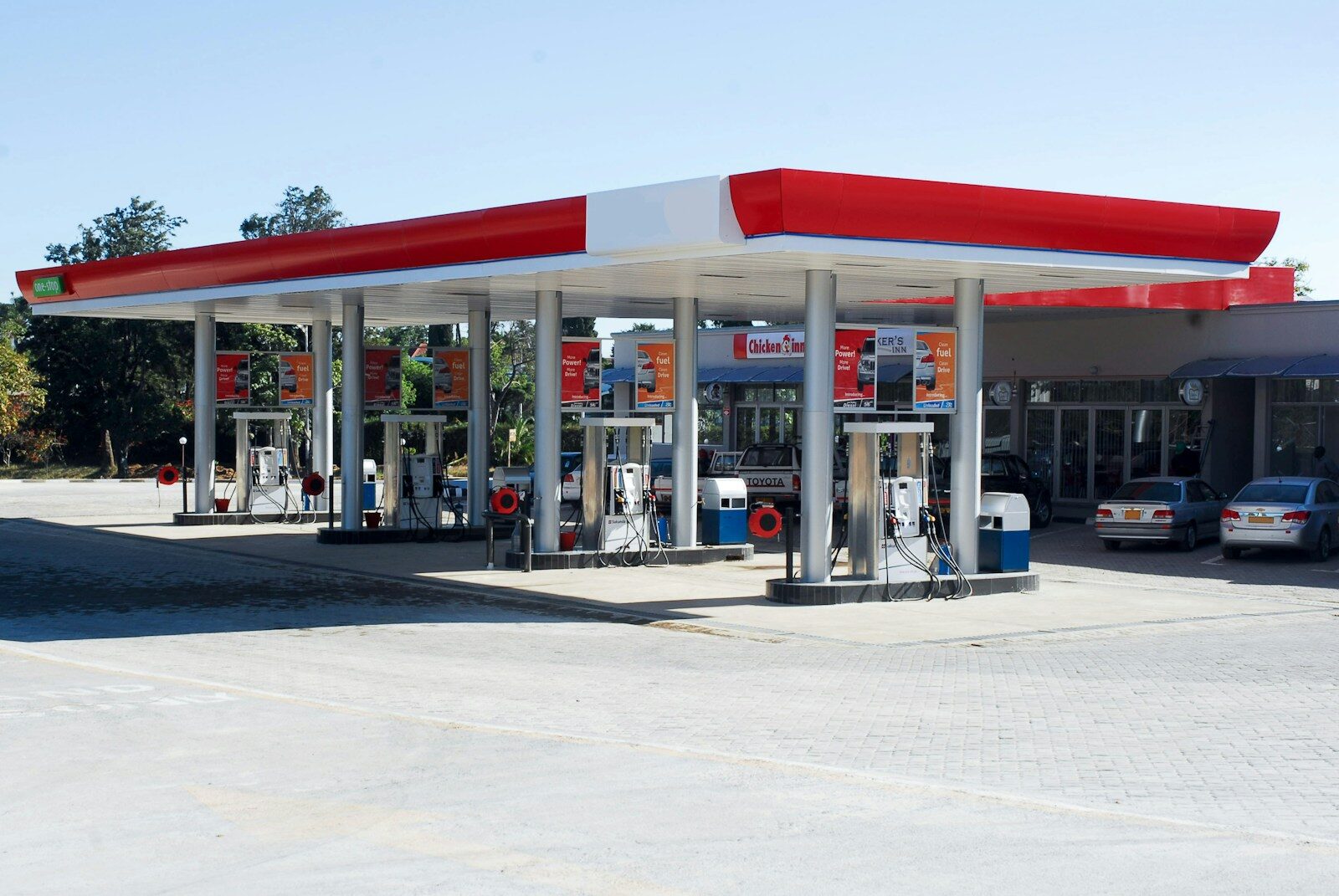
California drivers think they finally figured out why the number on the pump keeps climbing, and they are pointing the finger straight at artificial intelligence. A group of motorists has filed a lawsuit in Sacramento accusing several major gas station chains of leaning on an AI tool to push pump prices higher. If the claims hold up, it would mean the price you pay at the corner station was not set by simple supply and demand, but by software quietly nudging competitors in the same direction.
Check out: 10 Gifts for Car People That Don’t Suck (and Don’t Cost a Fortune)
The companies named in the complaint are not small players. BP, Circle K, 7-Eleven, Walmart, Marathon Petroleum, and Albertsons all appear in the filing, along with a firm called Kalibrate, which is accused of supplying the AI-powered tool at the center of the case. According to KTLA 5 News, those businesses operate more than 1,700 gas stations across California. That is a lot of pumps, and a lot of drivers potentially paying more than they should.
How The Software Allegedly Works
Here is the part that matters. The proposed class action says the tool, which comes from a company called Kalibrate, gathers pricing data from competing stations, then recommends or outright sets prices based on what it finds. In areas where high percentages of stations use the software, the lawsuit claims pump prices climbed by as much as 30 cents per gallon. That is not a rounding error. According to the complaint, each penny costs California drivers an extra $134 million per year, boosting gasoline prices to “astronomical” levels that sometimes reach $7 a gallon.
The legal argument rests on California’s main antitrust law, the Cartwright Act. The complaint, filed in Sacramento federal court, says the chains violated Assembly Bill 325, a California law that took effect on January 1 and was intended to crack down on algorithmic price fixing. The drivers are not claiming that AI pricing tools are illegal on their own. The accusation is sharper than that. They say the chains used the technology to coordinate prices among supposed competitors, which is a very different thing from a single business setting its own rates. As the complaint puts it, “While families struggle to afford the commute to work, defendants have conspired to put an end to competition, joining an AI-powered trust to ensure that no matter where a driver turns, the price for gasoline is artificially high.” When rival stations all feed into the same system and move in lockstep, the competition that is supposed to keep prices honest starts to disappear.
A State Already Paying The Most
California drivers were not exactly getting a deal before any of this. The state already has the nation’s highest gas prices, averaging $5.58 per gallon for regular according to AAA, compared with a national average of $3.93. That gap, driven in part by California’s fuel taxes, has pushed some residents to drive across the border into Arizona just to fill up, a workaround that became even more appealing after fuel prices jumped during the conflict in the Middle East. When people are willing to burn gas driving to another state to buy gas, the math at home has clearly stopped making sense. The lawsuit seeks unspecified damages for drivers who paid too much for gasoline. The defendants either did not immediately respond to requests for comment or declined to comment.
That backdrop is exactly why this lawsuit hits a nerve. Drivers who were already stretched thin now have to wonder whether part of their pain at the pump was engineered. The complaint frames it bluntly, arguing that while families struggle to afford their daily commute, the named companies joined an AI-powered arrangement designed to keep gasoline prices artificially high no matter which station a driver chose. Whether or not that argument survives in court, it captures the frustration plenty of Californians already feel every time they pull up to a pump.
Check out: The 10 Best Outdoor Knives of 2026: Top-Rated Picks for Hunting, Camping, and Survival
Why Enthusiasts Should Pay Attention
It is worth being clear about the line the case draws. AI generating a pricing recommendation is not the problem. The problem, as the lawsuit describes it, is using that AI to fix or coordinate prices across businesses that are supposed to be fighting for your money. That distinction is the whole ballgame. One is a tool. The other, if proven, is the kind of behavior antitrust law was written to stop.
For now this is only a lawsuit, and nothing has been decided. Still, California drivers have every reason to start watching pump prices more closely and shopping around where they can. If software really is steering prices in a region, the only defense an individual driver has is paying attention and refusing to assume the first price they see is fair.
The Bigger Shift Already Happening
High fuel prices were already reshaping what people buy long before this case landed. General Motors has admitted it is seeing a significant move away from full-size pickups like the Chevrolet Silverado as drivers react to what they are spending on gas. That is a meaningful signal. When buyers start walking away from one of the most profitable segments in the business, the cost of fuel is clearly hitting hard enough to change real decisions on the lot.
If prices stay elevated, and especially if a case like this confirms that something other than the market is propping them up, that shift could accelerate. California drivers in particular may have even more reason to look at fuel-efficient cars, hybrids, or EVs, not because they suddenly love the idea, but because the pump keeps giving them a reason to leave. Ironically, the same AI being blamed for raising prices may end up convincing more people to buy vehicles that barely need a gas station at all. The question now is whether the courts decide drivers were robbed, or just unlucky.
About the Author