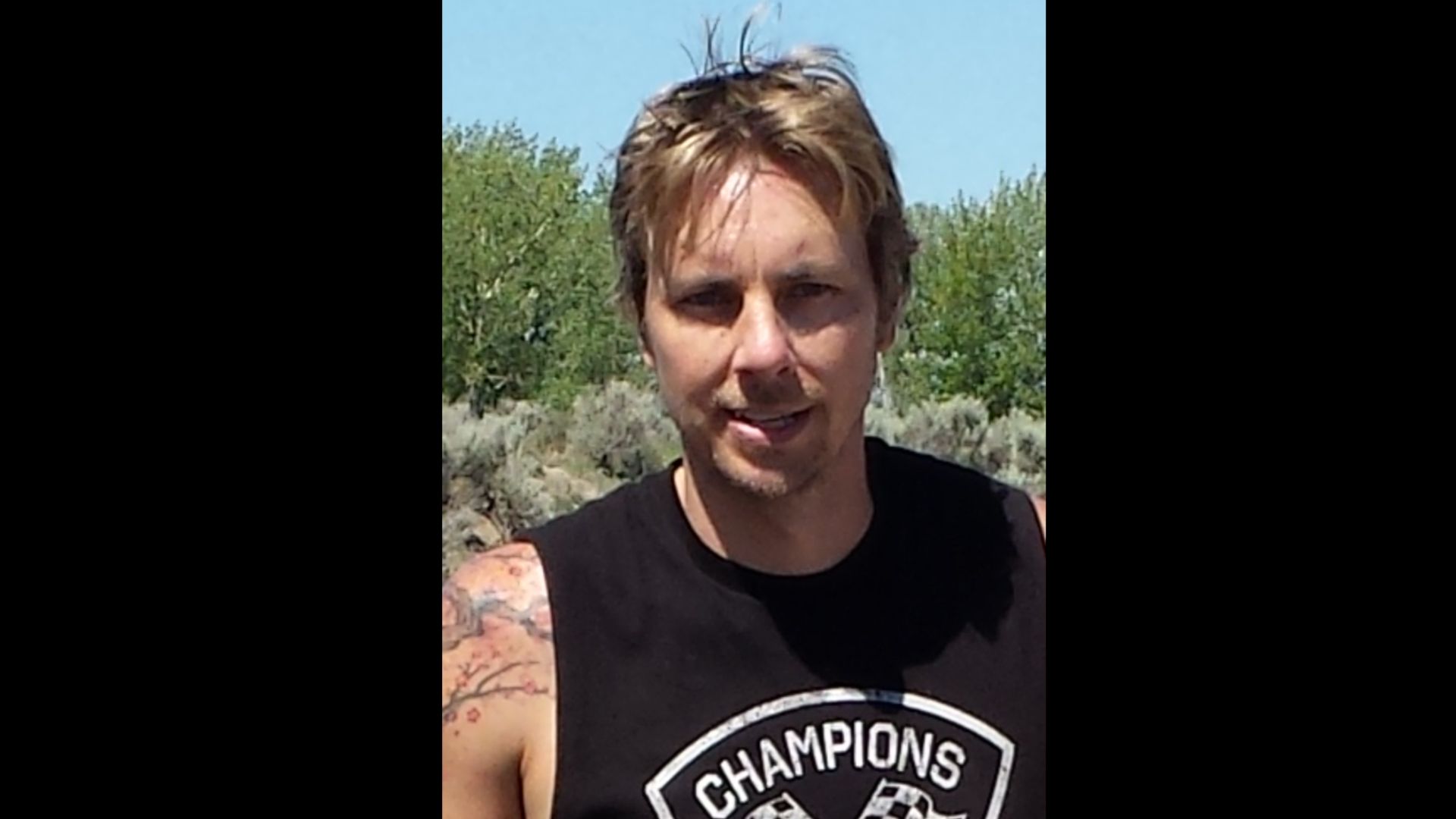
Dax Shepard isn’t romanticizing the night he nearly died as a teenager. He’s describing, plainly, what happens when speed, fatigue, and misplaced confidence in a car’s cruise control collide on a dark highway.
A Late-Night Drive That Went Wrong in Seconds
As a teenager, Shepard climbed into the backseat of a car cruising down the interstate at 85 mph on a late-night drive home from Ohio. His friend, also a high school senior, had cruise control engaged for the ride. Shepard had work the next day and tried to get some sleep in the back seat, lulled by the steady rhythm of the highway.
Then came the sound of gravel striking metal. Shepard looked up to see the driver slumped over, unconscious, with the car no longer under control and drifting toward a line of pine trees along the shoulder.
What Actually Saved Them
The car flipped, landed upside down, and somehow missed the trees entirely. Both teenagers crawled out and walked away. There was no dramatic rescue and no high-tech safety system that intervened, just a mangled car and two teenagers who, by Shepard’s own account, should have known better than to let fatigue and cruise control combine the way they did.
This wasn’t a mechanical failure. It was fatigue behind the wheel at highway speed, with cruise control masking just how dangerous the situation had become until the driver was already unconscious. It’s the exact kind of complacency that still contributes to thousands of crashes every year, the kind that gets waved off as a one-time teenage mistake right up until someone doesn’t walk away from it.
The Part That Lingered Longer Than the Crash Itself
Shepard has said that for days afterward, he questioned whether he had actually survived, a psychological aftershock that’s a useful reminder in itself: a crash doesn’t end the moment the car stops moving. The mental processing of a near-death experience can outlast the physical recovery by a wide margin, even when the physical outcome is as fortunate as walking away from an upside-down car with no injuries.
Why This Story Still Matters
Cars represent freedom and control for a lot of enthusiasts, but that control disappears the instant responsibility does. Speed itself wasn’t really the enemy in this story. Fatigue was, and so was blind trust in a steady throttle to compensate for a driver who could no longer safely operate the vehicle. This crash didn’t have to happen, and by Shepard’s own account, it’s something close to a miracle that it didn’t end in a funeral rather than a story he’s now able to tell.
About the Author