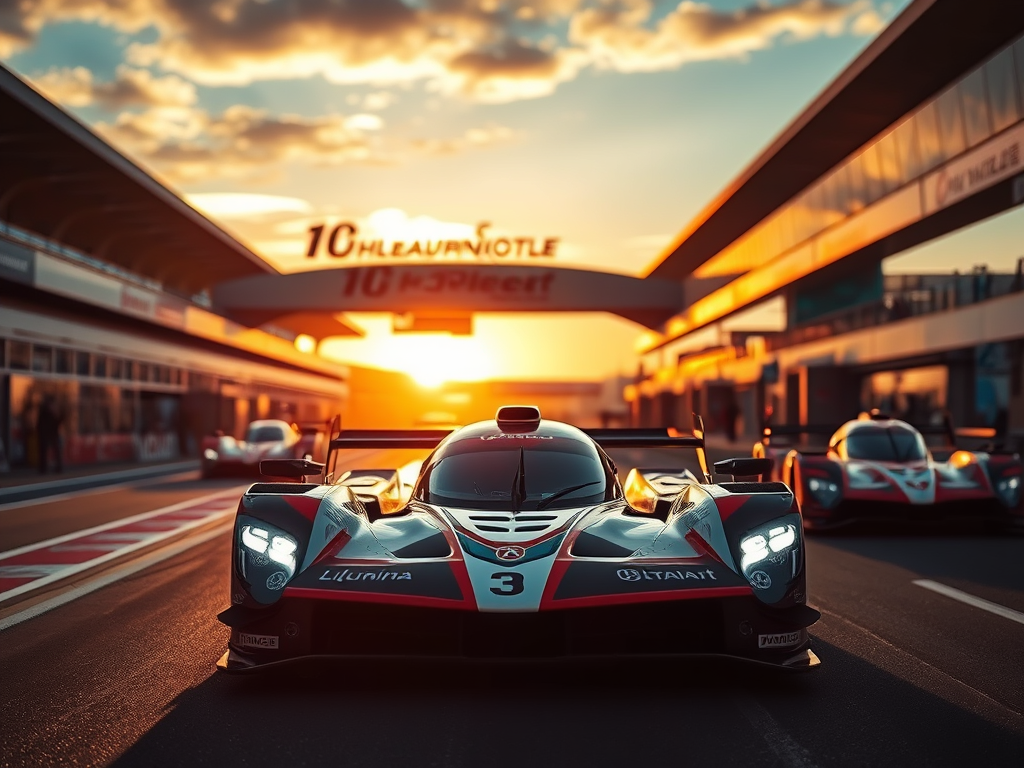
Alpine is walking away from the World Endurance Championship’s Hypercar class after the 2026 season, and for a series that’s spent the last few years celebrating its own resurgence, that decision is a lot more than a footnote.
This Isn’t Happening During a Downturn
That’s what makes Alpine’s exit so notable. WEC currently has full grids, major manufacturer buy-in, and renewed global attention. Ferrari, Toyota, Cadillac, BMW, Peugeot, Aston Martin, Genesis, and Alpine have all filled out the top class with legitimate factory programs, and on paper it looks like the series has finally found lasting stability. A flagship manufacturer shutting down a prototype program mid-cycle, in the middle of that apparent stability, sends a signal that the long-term financial math isn’t holding up the way it’s supposed to.
Hypercar Was Supposed to Fix This Exact Problem
The Hypercar formula was built specifically as the sustainable alternative to the runaway spending of the old LMP1 era, with cost caps and shared technical rules designed to keep manufacturer budgets in check. Alpine’s departure suggests that even a supposedly cost-controlled formula still isn’t cheap enough to justify keeping every manufacturer in the game long term, especially once a program stops delivering the results or exposure a boardroom expects.
The Perception Problem Underneath the Racing
Hypercar’s biggest vulnerability isn’t the on-track product, which has generally delivered close, exciting racing. It’s the Balance of Performance system that keeps the field that tight in the first place. That system fuels a persistent undercurrent of doubt about whether manufacturers are racing flat-out on their own engineering merits or competing inside a carefully managed spectacle. Once a manufacturer’s leadership starts questioning whether it actually controls its own competitive destiny, a prototype program stops looking like a growth investment and starts looking optional, and Alpine just demonstrated what happens when that calculation flips.
Where the Industry Pivots If the Grid Thins Out
If more prototype entries follow Alpine out the door, expect a hard pivot back toward GT racing, which remains easier to defend both in a boardroom and to enthusiasts who want motorsport that visibly connects back to a production car in the showroom. For manufacturers like BMW that already run strong GT programs alongside prototype ambitions, protecting that GT backbone becomes the fallback plan, since expensive top-class prototype programs are traditionally the first thing cut whenever corporate patience runs thin.
A Reckoning, Not an Ending
Alpine leaving doesn’t kill Hypercar. The class still has plenty of manufacturer depth heading into 2026. But it does force a real question that WEC and its remaining partners can’t dodge: the grid looks strong today, and the real test is who’s still standing on it once the next round of manufacturer budget reviews comes due.
About the Author