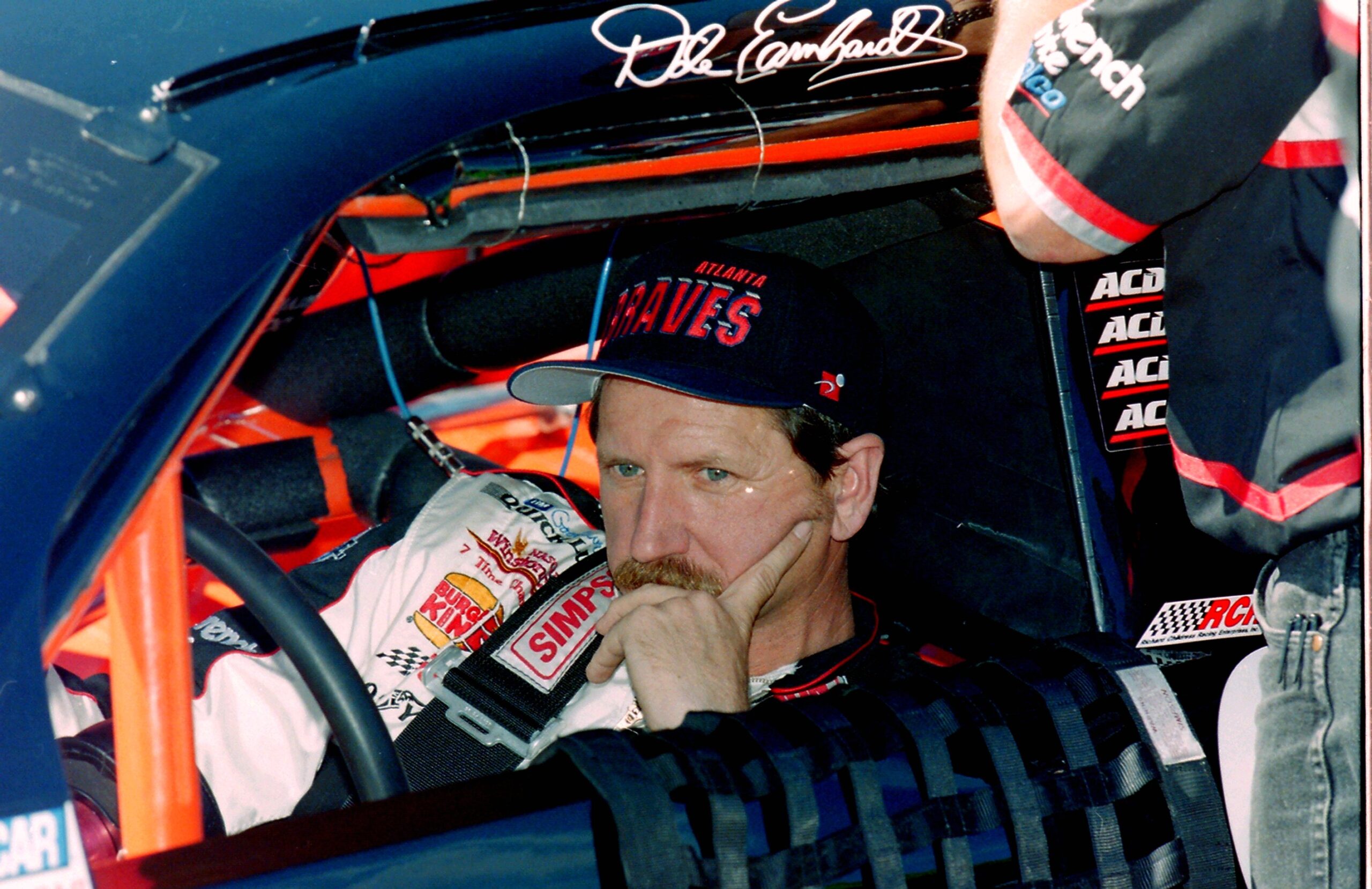
On February 18, 2001, Dale Earnhardt was killed on the final lap of the Daytona 500, and NASCAR’s history split permanently into before and after that moment. He was 49 years old, a seven-time Cup Series champion, and one of the most recognizable athletes in American sports at the time of his death.
What Happened in Turn 4
The crash occurred in Turn 4 as the field raced toward the checkered flag. Earnhardt was running behind his DEI teammates, Michael Waltrip and Dale Earnhardt Jr., defending position, when contact with Ken Schrader sent his No. 3 Chevrolet head-on into the outside wall. The car slid down into the infield grass and came to rest as the race concluded, and confusion about his condition lingered in the moments afterward as television coverage grew noticeably subdued and drivers and crew members stood in silence.
Earnhardt had built a career-long reputation for walking away from violent hits, and that reputation initially led many fans to assume he’d climb out of the car as he always had. The confirmation that followed hours later sent shockwaves well beyond Daytona Beach and permanently changed how the sport approached safety.
More Than a Champion
The numbers alone explain part of why Earnhardt mattered: seven Cup Series championships, tying Richard Petty and Cale Yarborough for the most in series history, 428 top-10 finishes, 22 pole positions, and a long-awaited Daytona 500 win in 1998 after years of near-misses on NASCAR’s biggest stage. But the numbers don’t fully capture why drivers changed their lines when he filled their mirrors, or why fans reacted to his every move with either fierce loyalty or equally fierce frustration.
The nickname “The Intimidator” wasn’t a marketing invention. It was earned through decades of calculated aggression, superspeedway drafting instincts sharper than almost anyone racing against him, and a command of the mental side of stock car racing that extended his influence well beyond his win totals.
The Safety Reckoning That Followed
Earnhardt’s death forced NASCAR into a safety reckoning that had been building quietly for years but never fully materialized until that day. Equipment and structural improvements that had once been optional, or adopted inconsistently from team to team, became mandatory across the Cup Series almost immediately. The HANS device became required equipment. SAFER barriers went up at tracks nationwide. Six-point harness systems and reinforced seat construction became standard rather than optional upgrades.
These weren’t cosmetic changes. They were structural transformations that reshaped car design, track engineering, and driver expectations industry-wide, and the results speak for themselves: there have been no Cup Series driver fatalities since February 2001, a streak of nearly a quarter-century that stands as the most direct measure of how thoroughly the sport changed course after that afternoon.
A Legacy Still Visible Every February
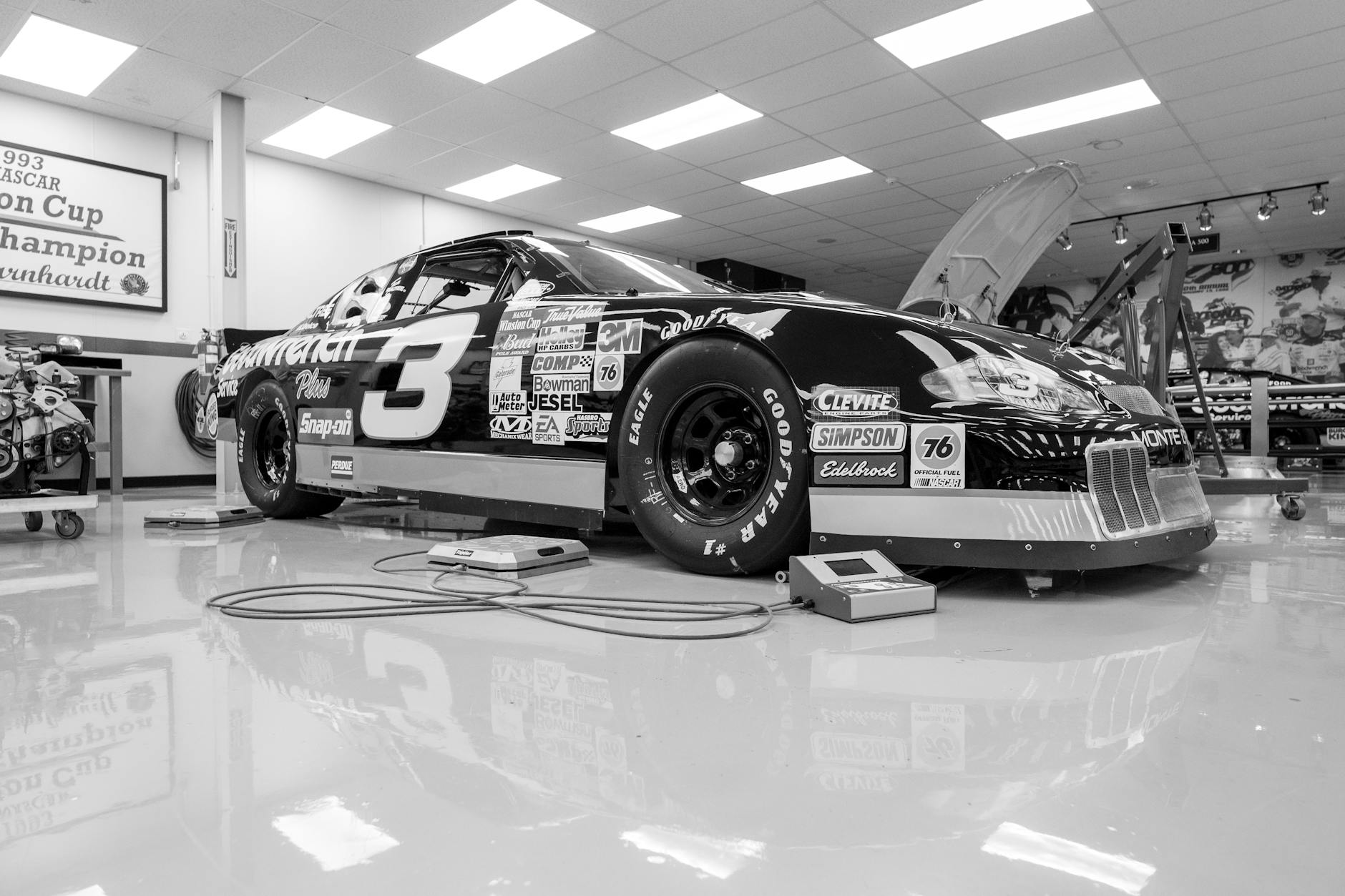
Twenty-five years later, the No. 3 remains one of the most recognizable numbers in motorsports. The black paint scheme and silver trim still carry real emotional weight for longtime fans, while younger audiences have come to understand its significance through history rather than firsthand memory. Every time NASCAR returns to Daytona in February, that final lap remains part of the event’s underlying narrative, whether it’s spoken aloud or not.
Dale Earnhardt Jr. carried the family name forward into the modern era, becoming one of the sport’s most popular drivers while navigating the emotional weight of racing at tracks so closely tied to his father’s death. And the broader NASCAR community still reaches for Earnhardt’s competitive style and championship record whenever the conversation turns to the greatest drivers the sport has ever produced.
Racing Forward While Remembering
The 2001 Daytona 500 remains both a tragic loss and a genuine turning point, marking the close of one era of NASCAR and accelerating the start of another defined by modern safety standards and a heightened institutional focus on driver protection. The sport didn’t freeze after that day. It changed course, and it’s been building on that shift ever since.
Twenty-five years on, NASCAR keeps moving forward, but it does so carrying a clear understanding of what was lost and what was learned from it. Dale Earnhardt’s legacy shows up not just in record books, but in the safety systems bolted into every car on the grid and the competitive spirit the sport still measures itself against today.
About the Author