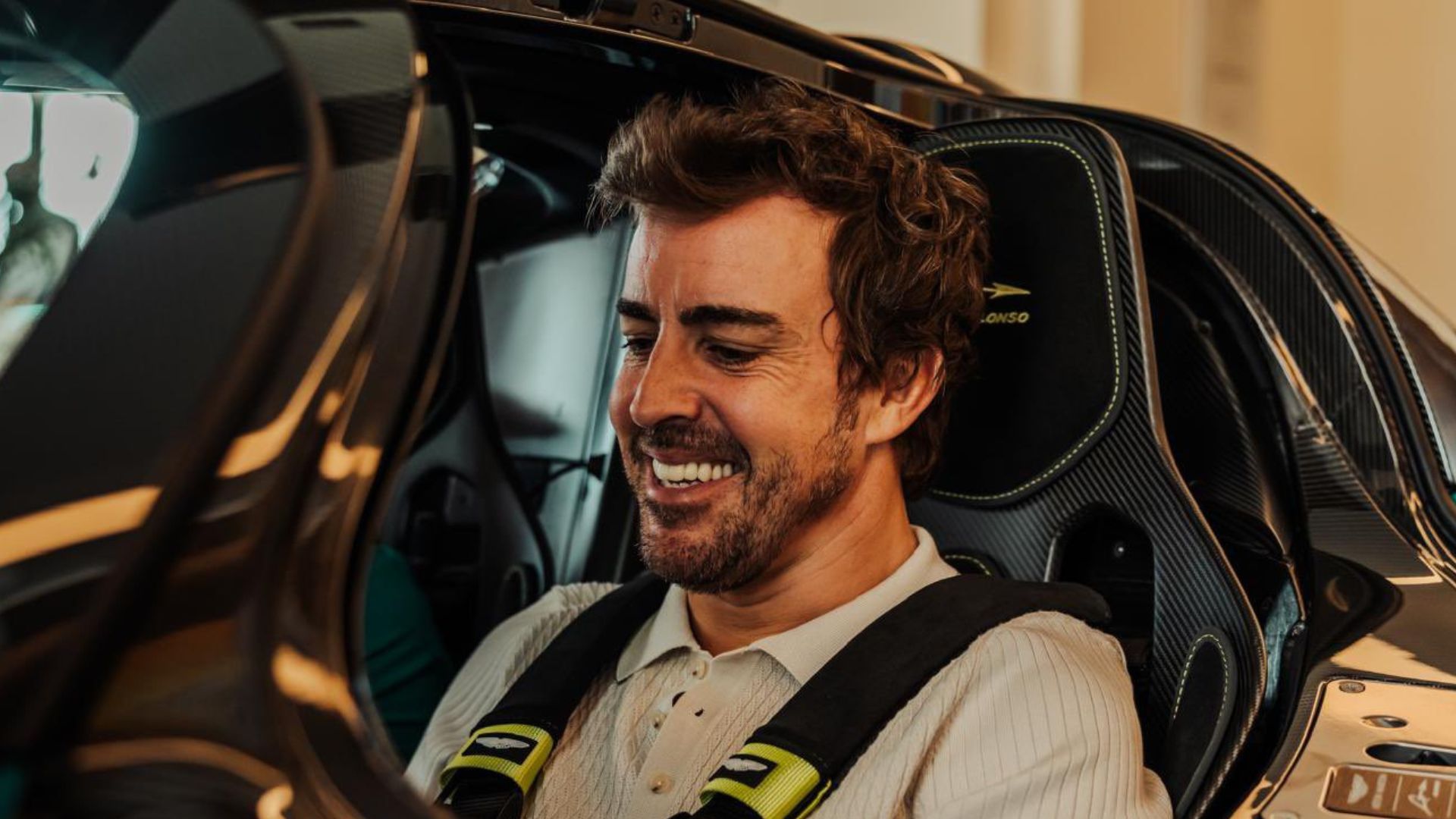
Image via alo_oficial/X
Formula 1 is selling its 2026 regulation overhaul as the next great technical leap forward. Fernando Alonso just raised an uncomfortable question about who that leap actually serves, reportedly suggesting the new cars could be manageable enough that even a team chef could get one around a track. Coming from a two-time world champion, that’s not a compliment.
What the 2026 Rules Actually Promise
The 2026 regulations bring lighter, more agile cars, a new power unit formula, and a fresh technical direction meant to reshape the entire grid. On paper, that sounds like exactly the kind of bold reset F1 needs periodically to stay relevant. But Alonso’s remark points at something different: a car engineered to be easier and more forgiving right at the limit, which cuts against what a Formula 1 car is supposed to be in the first place.
A Pattern of Chasing Accessibility
F1 has spent years pushing toward greater accessibility through cost caps, standardized parts, and tighter development boxes, each one justified as necessary for competitive balance and financial sustainability. Every one of those constraints comes with a tradeoff, though. As cars become more manageable and the barrier to driving one at a competitive level appears to shrink, the sport risks tilting toward spectacle over the raw skill differential that’s supposed to separate a world champion from a solid midfield driver.
Why Alonso’s Perspective Carries Weight
Alonso’s comment lands because it comes from inside the cockpit rather than from a pundit’s booth. He’s spent decades wrestling modern F1 cars at their absolute limit across multiple regulation eras, and if he sees the 2026 cars drifting toward something easier to manage, that’s a meaningful data point for fans who tune in specifically to watch the best drivers on Earth do something nobody else can replicate.
None of this is an argument against progress for its own sake. It’s an argument for preserving difficulty as a core part of what makes the sport worth watching. If the new regulations genuinely produce cars that a broader range of people on a team’s payroll could theoretically handle, F1 will have engineered a problem entirely of its own making.
The Real Risk for 2026
The new rules were built to redefine Formula 1’s technical future. The harder question they may end up forcing the sport to answer is simpler and more uncomfortable: in trying to make the cars easier to drive, did F1 also make the championship easier to forget?
About the Author