Photo: Deathpallie325 / Wikimedia Commons, CC BY-SA 4.0
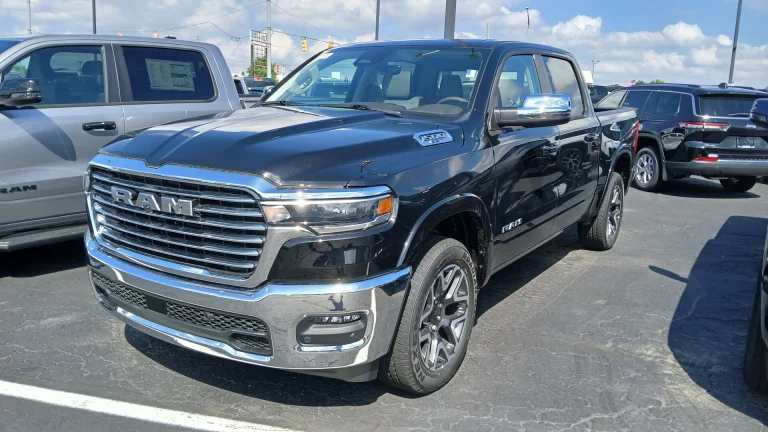
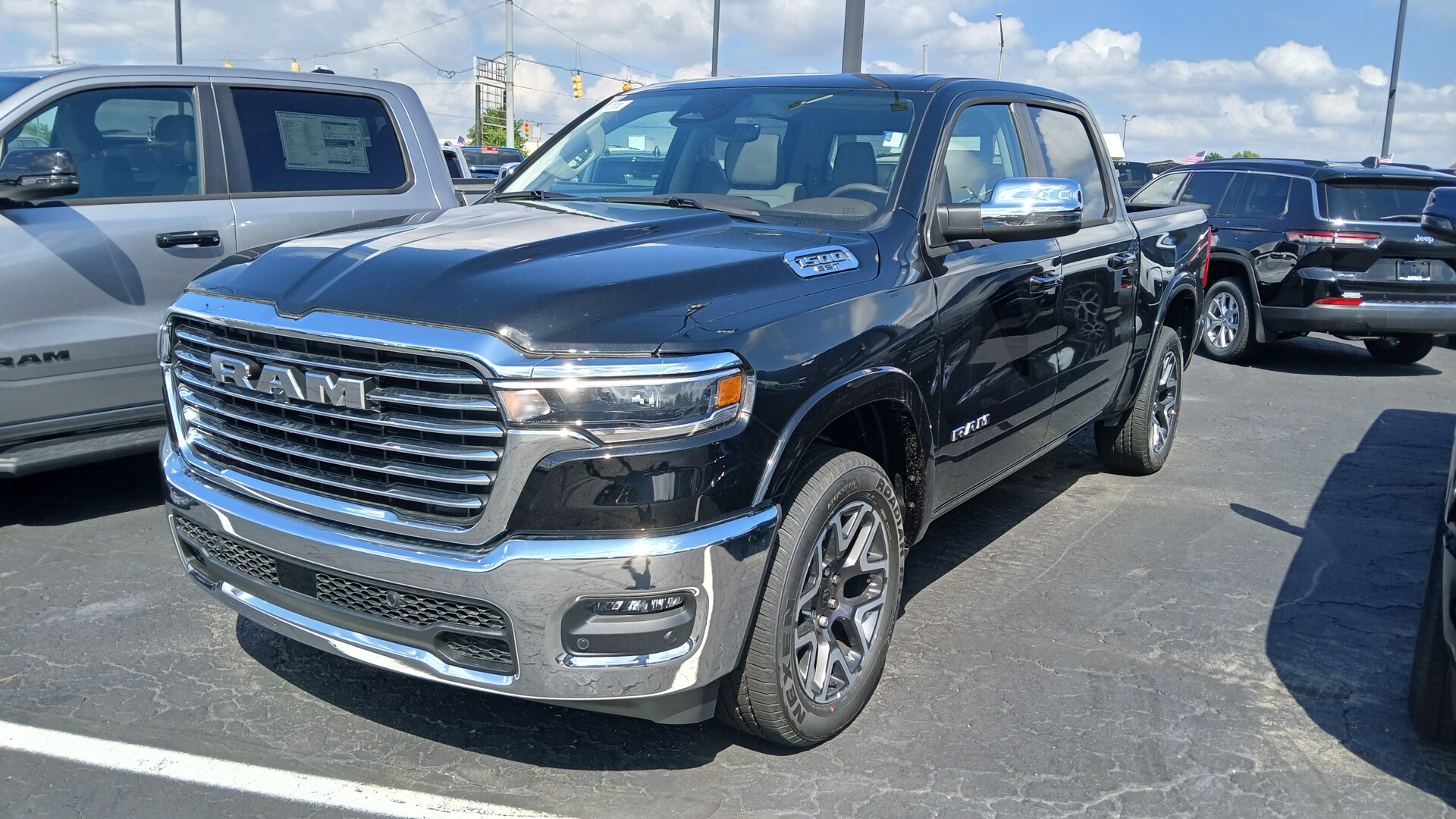
The Clallam County Sheriff’s Office says a 38-year-old South Carolina woman tried to finance a new 2027 Ram 1500 valued at more than $70,000 at Wilder Auto Center in Port Angeles, Washington, with a South Carolina driver’s license that carried another woman’s personal information and her own photograph. Deputies say she told them she made it with artificial intelligence.
The woman whose identity was on that license is the reason the truck stayed on the lot. According to the sheriff’s office news release, the case started on Nov. 20, when she received a notification that her personal information had been used to apply for vehicle financing without her knowledge or permission. Deputy Zach Grall took the report, called the dealership, and learned from employees that someone had submitted a credit application in her name for the Ram.
Grall identified the applicant as Rachel M. McCreary, 38, of South Carolina, the release says. On Nov. 21 he learned she planned to come back and complete the purchase, and he arranged it with Wilder’s staff. She arrived at about 3:38 p.m. with a man, and Grall and Deputy Cody Brooks detained both. In an interview, the sheriff’s office says, McCreary admitted using the victim’s information without authorization and acknowledged using AI to create the license by combining the victim’s identifying information with her own photo. The man was released after investigators found insufficient probable cause to arrest him.
McCreary was booked into the Clallam County Jail on first-degree identity theft and first-degree theft. Those are booking charges, not filed charges and not a conviction. The Peninsula Daily News reported she was being held Monday ahead of her first appearance in Clallam County Superior Court. Neither the release nor the local reports list a bail amount, a defense attorney or a plea, and the sheriff’s office did not say which AI tool was used.
A license built around the buyer’s real face
The license didn’t borrow anyone’s face. It used McCreary’s, according to the release, and wrapped the victim’s name and details around it. That goes straight at the check a dealership counter is built to run.
A dealer that regularly arranges financing and pulls credit reports can fall under the Federal Trade Commission’s Red Flags Rule, according to the agency’s compliance guide, and auto loans are always treated as covered accounts. Covered businesses need a written identity-theft program, approved by the board or senior management, that spots warning signs and spells out what staff do about them. The regulation’s list of red flags includes ID that appears “altered or forged” and a photo or physical description that is “not consistent with the appearance of the applicant.”
An AI-assembled license with the applicant’s own photo passes that second test by design. The salesperson looks at the card, looks at the customer, and sees the same person. The parts that are fake are the name, the birth date and the license number, and none of those can be checked by eye across a desk. Catching them takes a database: the lender’s identity checks, a credit file, or the person whose name is being used.
The sheriff’s office thanked Wilder’s employees, saying their communication and help “played a significant role” in the outcome, and it warned that AI can be used to make convincing fake IDs. The release does not say the store flagged the license on its own. It credits the start of the case to the victim’s notification.
A credit alert caught it, and a freeze would have blocked it
The release doesn’t say what sent that notification, whether a bank, a monitoring service or a credit bureau. Dealer financing runs on credit reports, though, and that’s why an alert tied to a person’s credit file can go off while the applicant is still in the building.
A freeze does more than warn. The FTC says that while a credit freeze is in place, nobody can open a new credit account in that person’s name, including the person, and that a freeze is free, doesn’t affect the credit score and lasts until it’s lifted. A lender that can’t see the report won’t approve the loan, so a stolen-identity application stalls in the finance office before anyone has to call a deputy.
A fraud alert is the lighter option. It’s free, it lasts one year and can be renewed, and contacting one of the three bureaus covers all three. It requires businesses to check with the consumer before opening new credit, usually with a call to confirm the applicant is really them, but it doesn’t stop them from pulling the report. People who have filed an identity theft report with the FTC or police can get an extended alert that lasts seven years.
The cost of a freeze is friction. A buyer with a frozen file has to lift it at the bureaus before the dealer’s lender can run the application, which means a login or a phone call before the test drive turns into paperwork. It’s also the step a person using someone else’s license can’t complete.
What the charges carry under Washington law
Washington’s identity theft statute, RCW 9.35.020, makes it first-degree identity theft when someone uses another person’s identifying information and obtains credit, money, goods or anything else of value worth more than $1,500. First-degree theft under RCW 9A.56.030 covers property worth more than $5,000. Both are class B felonies, which RCW 9A.20.021 caps at 10 years in prison and a $20,000 fine.
The booking charges and the release don’t line up neatly. The sheriff’s office says Grall’s work prevented the purchase, and the Ram never left Wilder. Under RCW 9A.28.020, an attempt to commit a class B felony is a class C felony. Whether prosecutors file completed crimes, attempts or something else is their decision, and that choice will shape her exposure far more than the jail’s booking sheet.
The identity theft statute also gives the victim a civil claim. A violator is liable for $1,000 or actual damages, whichever is greater, including the cost of repairing the victim’s credit record and reasonable attorney’s fees. A $70,000 truck loan that never funded leaves far less to repair than one that did.
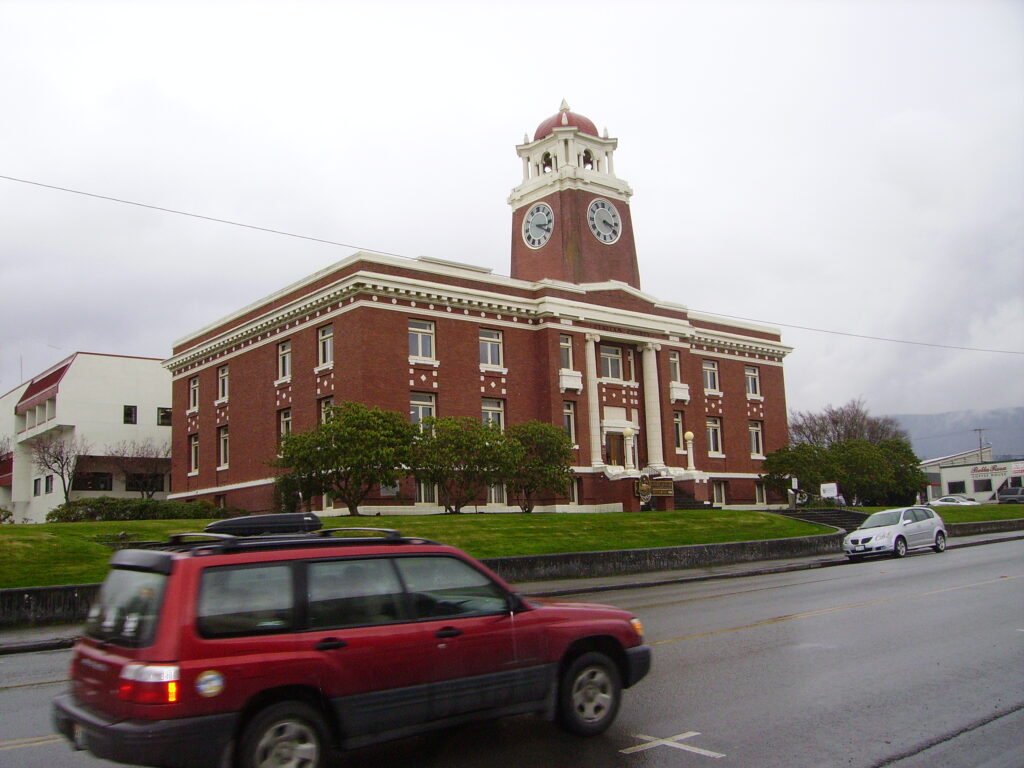
Port Angeles has seen dealership fraud before
Wilder isn’t the first Port Angeles dealership to turn up in a sheriff’s office fraud case. In October 2025, the Peninsula Daily News reported that the office said a 59-year-old Port Angeles man had bought a vehicle from Koenig Subaru that April with a fraudulent $22,000 check and wrote two more checks that were rejected for insufficient funds. In Oregon, a Eugene dealer ran the VIN on a $15,000 Mazda CX and found the car belonged to a Salem dealership.
Nationally, the FTC’s 2024 Consumer Sentinel Network Data Book ranked loan or lease fraud, a category that includes car loans and leases taken out in someone else’s name, as the third most-reported type of identity theft, behind credit card fraud and a catch-all “other” category.
Court filing deadline and what drivers can do now
Washington’s superior court rule on preliminary appearances, CrR 3.2.1, generally bars holding a jailed defendant more than 72 hours, not counting weekends and holidays, unless prosecutors file an information or the defendant agrees. Thanksgiving falls inside that window this week. The filing, if it comes, will show what the Clallam County Prosecuting Attorney’s Office thinks it can prove, and whether it treats a truck that never left the lot as a theft or an attempt. Until then, the account of what happened is the sheriff’s office’s.
The office closed its release by urging residents to check their credit reports and account activity, report unauthorized credit inquiries quickly, and consider a fraud alert or freeze with the major credit bureaus. In this case, the victim got the alert and reported it a day before McCreary came back for the truck.
A credit alert, not the dealership, kept that Ram on the lot. Have you frozen your credit, or are you counting on a finance office to check the photo?
About the Author