A dealership’s phone system is supposed to protect employees as much as it routes sales leads. In one Utah case, that buffer allegedly vanished after a worker gave a visitor a salesman’s personal number. Federal prosecutors say the calls that followed escalated into explicit death threats.
A federal detention filing identifies the store as St. George Ford and the defendant as 44-year-old Ramchand Rattan. The filing says Rattan and a woman visited the dealership on May 6, 2025, took two test drives, and left without buying. During the visit, Rattan allegedly asked the salesman about his accent and learned he was originally from Britain.
A few days later, Rattan allegedly called the store and asked for the salesman. The employee was away from the lot, so another worker supplied his personal phone number. That was the hinge point: a routine dealership interaction had suddenly followed an employee home.
The Alleged Threats Started After A Preventable Privacy Failure
The government’s filing says the salesman then received repeated calls and voicemails from blocked numbers and from a number ending in 2063. The caller allegedly used anti-gay insults, threatened to shoot him, said “I will murder you,” and claimed he would follow him around the country. St. George Ford employees reported the threats to police on May 12, 2025.
The alleged threats are the caller’s responsibility. Handing out a colleague’s private number was still a dealership failure, and a remarkably avoidable one. Dealership security usually brings to mind locked key cabinets, cameras, or an attempted vehicle theft from the lot. Staff privacy deserves a place on that checklist, too.
A store does not need a pricey cybersecurity overhaul to close this particular hole. Personal numbers should never be released without consent. A caller can leave a message, receive an official dealership email address, or be routed through a CRM-backed business line. If a conversation turns hostile, employees should preserve the call log and voicemail, alert management, and contact law enforcement rather than move the exchange onto a personal device.
That protocol protects more than the sales staff. Dealers routinely collect driver’s licenses, insurance details, addresses, phone numbers, and financing information during shopping and test drives. A workplace that is casual with an employee’s number gives customers little reason to feel confident about their own data.
A Borrowed Kia And Plate Readers Built The Travel Timeline
The dealership incident became one piece of a broader federal case. Between January 17 and January 21, 2026, Rattan allegedly made repeated calls to a Costco in St. George, demanding that the store fire Black and gay employees and threatening to burn or blow up the building.
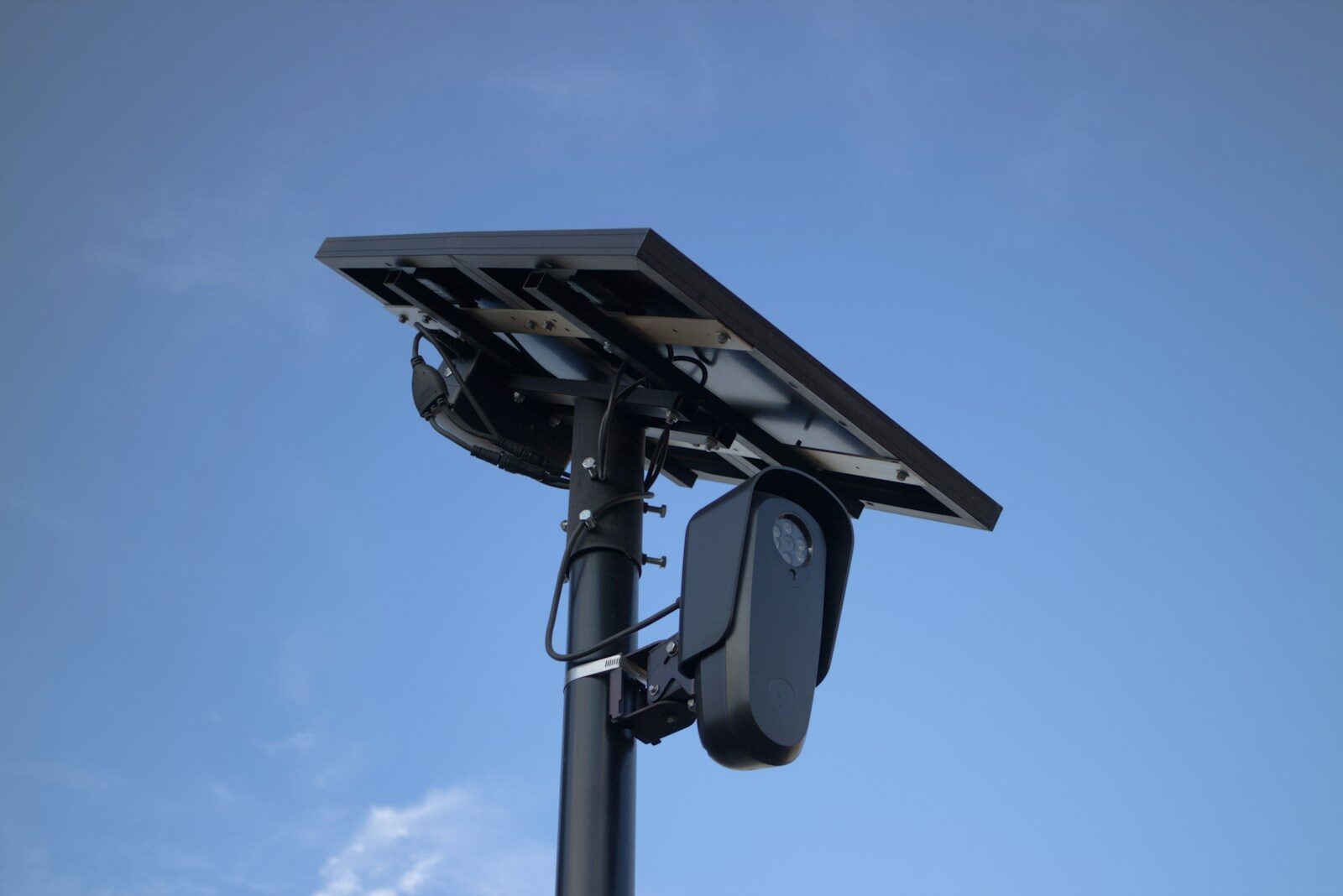
Investigators did not rely only on a voice identification. The same number ending in 2063 allegedly placed the Costco calls. A woman who knew Rattan told investigators she had let him borrow her 2025 Kia Sportage. License-plate-reader records showed the Kia traveling from Las Vegas to St. George and back on January 17, the day before the first reported Costco threat. The filing does not identify the camera company, though automated plate-reader networks generally create searchable time-and-location records from passing vehicles.
After Rattan was arrested on state charges, officers seized two phones. Investigators could not access one, but the filing says the other carried the same phone number and contained a call log showing at least one call to Costco. That combination—a known number, a device, a travel record, and recorded calls—is considerably less foggy than a simple argument over who said what.
Two Federal Counts, With Other Allegations In The Background
A federal grand jury indicted Rattan on August 11, 2026, on two counts of transmitting interstate communications containing a threat to injure. The U.S. Attorney’s Office for the District of Utah announced the case on August 20. Each count under 18 U.S.C. § 875(c) carries a maximum prison term of five years, plus a possible fine.
The detention filing also describes a separate Arizona investigation involving alleged threats at a Maverik store on April 4 and April 7, 2026. Prosecutors cited that episode while asking the court to keep Rattan detained; it is not one of the two charges in the federal indictment. A detention hearing is scheduled for August 25 at the federal courthouse in St. George.
An indictment is an accusation, not evidence of guilt. Rattan is presumed innocent unless proven guilty beyond a reasonable doubt.
The Dealership Lesson Is Boring, Cheap, And Necessary
This is not an argument for treating every eccentric shopper like a suspect. It is an argument for basic information hygiene. A dealership can be welcoming without becoming a directory for its staff’s private lives.
Salespeople hand strangers the keys to machines worth tens of thousands of dollars every day. Their employers should be at least as careful with a phone number.
About the Author