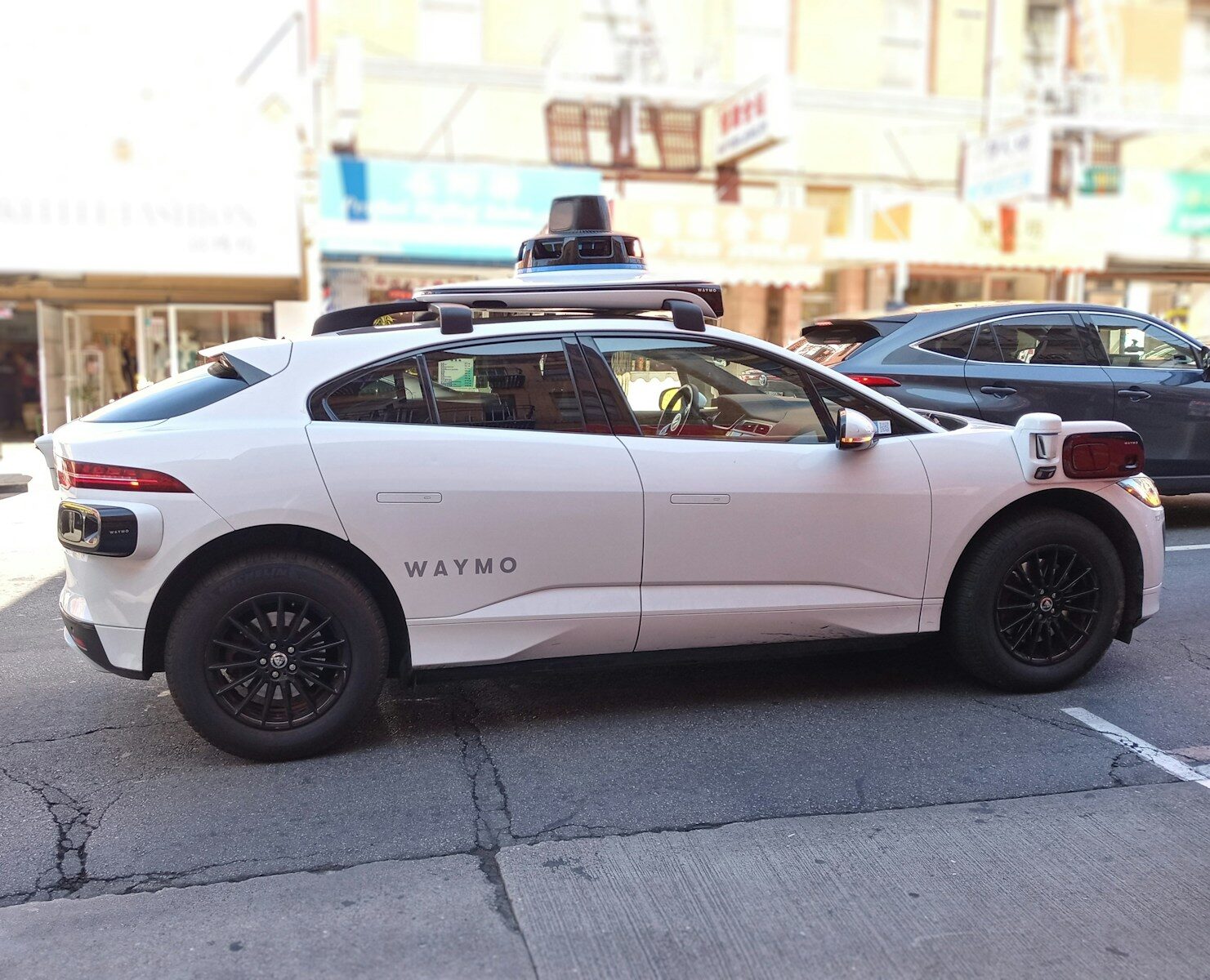
For years, one of the strangest gaps in California traffic law was that a car with no human behind the wheel could break the rules and leave police with almost nobody to hold accountable. That changes on July 1, when the state begins allowing police to ticket the companies that build driverless cars whenever their autonomous vehicles violate traffic laws. It is a shift that finally puts some legal weight on the manufacturers who have been putting these machines on public streets.
How the Old System Left a Hole
Until now, California law only allowed officers to issue citations when a human driver was behind the wheel, which made sense in a world where every car had a person responsible for it. The problem is that the world stopped looking like that. As autonomous vehicles started sharing the road with everyone else, police found themselves watching cars roll through violations with no clear way to write a ticket, because the person who would normally be blamed simply was not there. That created a situation where the machines could misbehave while the companies behind them stayed at arm’s length from consequences.
Related Articles
- A Colorado Man Found a Black Bear Sitting Shotgun in His Own Pickup
- Paul Newman’s Dirt-Caked, Daytona-Winning Mustang Is Headed to Auction, and It’s Still Wearing Its Battle Scars
Assembly Bill 1777 is the legislation responsible for closing that gap, and it does so by shifting responsibility onto the manufacturers themselves. The reasoning is direct enough that it is hard to argue against, because if a company builds and deploys a vehicle that breaks the law, that company should be the one answering for it. For regular drivers who have spent their entire lives being held personally responsible for every rolling stop and missed signal, the old arrangement looked like a double standard, and the new rule starts to even the field.
Officers Get a Way to Actually Reach Someone
The bill does more than open the door to citations, because it also addresses a practical headache that officers have run into on the road. Under the new requirements, autonomous vehicle manufacturers must provide access to emergency two-way communication systems inside their vehicles. That means when a police officer needs to interact with a driverless car during a stop or an emergency, there is a built-in channel to speak directly with a remote operator rather than standing next to an empty seat with no one to talk to.
This is a bigger deal than it might sound at first, because policing depends on communication, and until now the technology had essentially removed the human on the other end of the conversation. An officer approaching a stalled or misbehaving robotaxi previously had few good options for figuring out what the vehicle was doing or getting it to respond. Requiring a working two-way system means the companies can no longer treat their vehicles as sealed boxes that answer to nobody once they hit the street.
Who Wins and Who Has to Adjust
The clear winners here are the people who share the road with these vehicles every day, along with the officers tasked with keeping order on it. Drivers who have long felt that autonomous vehicle companies were getting a pass now have a law that treats those companies more like the responsible party they always should have been. Enforcement finally has teeth, and that matters for anyone who has watched this technology expand faster than the rules meant to govern it.
Related Articles
- How to Buy a Used Car Without Getting Burned: The Complete Inspection Checklist
- Max Verstappen Is Never Leaving Red Bull, So Kindly Let the Mercedes and Ferrari Fan-Fiction Die
The companies building these vehicles are the ones who have to adjust, and that is exactly the point. They have enjoyed a period where the legal framework had not caught up to what they were putting on the road, and now the state is insisting they carry the consequences of how their machines behave. Adding communication systems and accepting citations are the cost of operating in public, and it is a cost that human drivers have always paid without complaint.
The Bigger Picture for the Road Ahead
What makes this moment worth watching is that it signals a broader shift in how the automotive world is choosing to treat autonomous technology. For a long time the conversation around driverless cars leaned heavily on promise and potential, while the boring but essential question of accountability got pushed to the side. California moving to ticket manufacturers directly is a sign that regulators are no longer willing to let that question sit unanswered while these vehicles multiply on public streets.
The real issue this raises is whether the rest of the country follows California’s lead, because the state has a long history of setting automotive standards that eventually spread far beyond its borders. If holding manufacturers responsible becomes the norm, it could reshape how these companies build, deploy, and stand behind their vehicles. For enthusiasts and everyday drivers alike, the message is finally starting to land, which is that no matter how advanced the car, someone has to answer when it breaks the rules.
Source
About the Author