Oliver Blume did not travel to Emden and Zwickau this week to hand out gold stars. Volkswagen’s CEO toured both electric vehicle plants on Wednesday and, according to excerpts of his remarks released by the company, told employees flatly that “labour costs today are more than double those of comparable European locations” and that “this journey is not over.” For a company barreling toward the largest restructuring in its 89-year history, that qualifies as high praise.
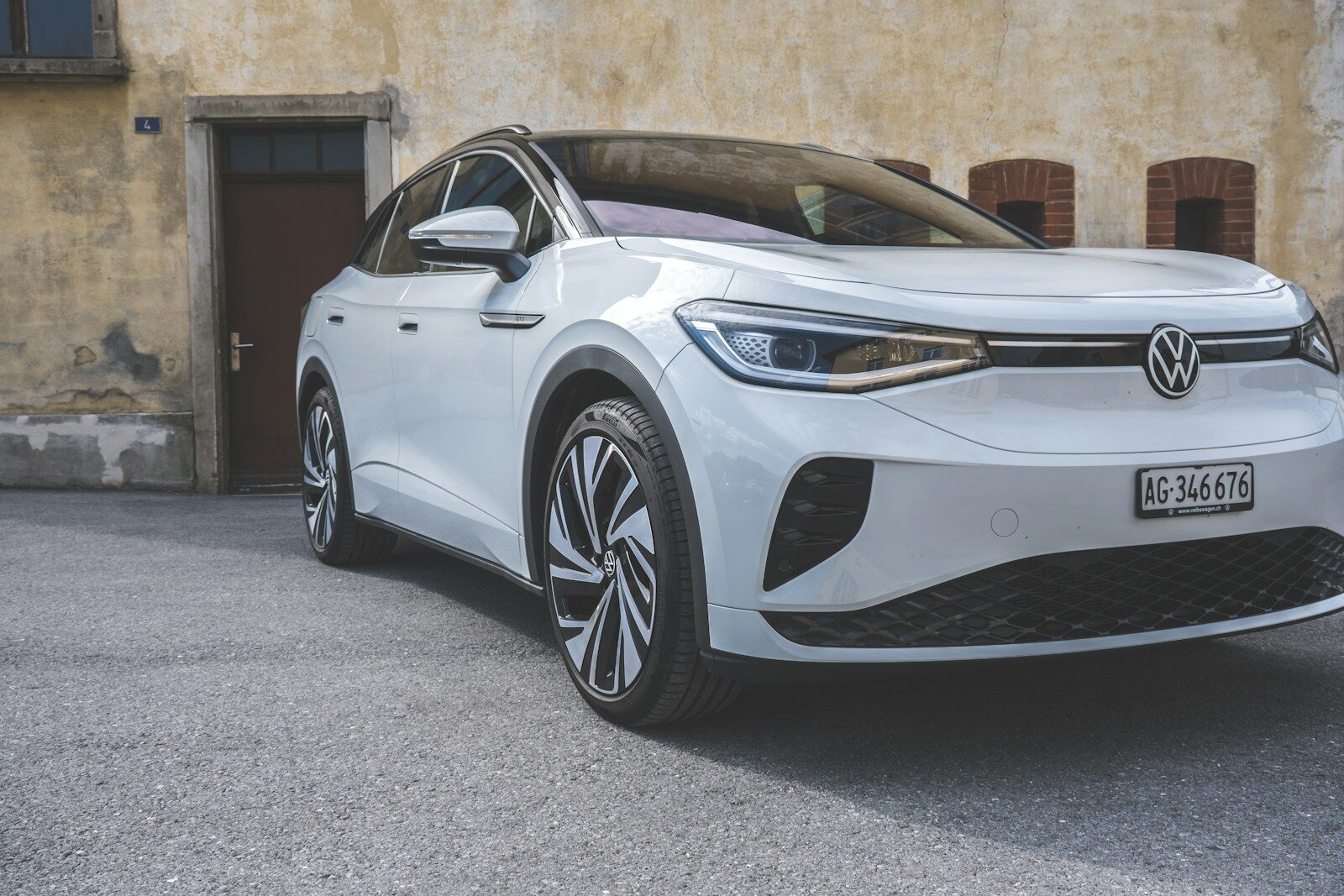
Here is why enthusiasts should care about a labor speech in northern Germany: Emden builds the ID.4, the ID.7 and the ID.7 Tourer. Zwickau is Europe’s largest and most efficient EV plant, the site where Volkswagen converted an entire combustion-engine factory to electric production and now builds six all-electric models across the Volkswagen, Audi and Cupra brands. By the company’s own accounting, nearly half of every electric Volkswagen Group vehicle sold anywhere in the world right now comes out of Zwickau. These are not backwater plants nobody would notice losing. They are the backbone of VW’s entire electrification bet, and neither one currently has a confirmed production plan beyond 2030.
They are not alone. Volkswagen’s campervan plant in Hanover and Audi’s Neckarsulm site sit in the same limbo, and a fifth factory in Osnabruck is further along the chopping block, with vehicle production there scheduled to end as early as next year unless a proposed partnership with the defense industry materializes. Those talks have dragged on without a breakthrough. All of it gets decided, or at least argued over, when Volkswagen’s supervisory board meets on September 4.
The board meeting matters because of how Volkswagen is structured. Labor representatives and the state of Lower Saxony, which owns a stake in the company and holds seats with outsized influence, control a majority on that board, and both have a long history of blocking exactly this kind of cost-cutting. Blume already tried to force plant closures in 2024 and got steamrolled by union resistance. Lower Saxony also faces state elections next year, giving every politician involved a very immediate reason to be seen defending factory jobs rather than balance sheets.
Volkswagen’s works council chief, Daniela Cavallo, made her own case to reporters in Osnabruck the same day, arguing that layoffs and site closures do not actually fix what is broken. “A vision for the future must consist of many different elements,” she said. “It cannot … be solely about sites, labour costs and staff cuts.” IG Metall has already vowed to fight any expanded cuts with everything it has.
The numbers explain why Blume keeps pushing anyway. In an internal memo circulated in August, he said Volkswagen’s overhead costs remain more than 30% above comparable competitors. The company’s operating margin sits below 4%, which Blume called solid for the current environment but nowhere near enough to fund new technology, new products and the sites themselves over the long run. Volkswagen is aiming for an 8-to-10% margin by the end of the decade. Its 2025 operating profit had already been cut in half to roughly 8.9 billion euros, weighed down partly by U.S. import tariffs, a cost that has been showing up across automotive balance sheets industry-wide, not just Volkswagen’s. Porsche, Volkswagen’s most profitable brand for decades, saw its own operating profit collapse 98% last year to just 90 million euros, which is part of why Porsche has already begun cutting thousands of jobs and pushing back its EV timeline to keep the 911 in production through 2035.
Layer the restructuring math on top of that and the scale gets almost hard to process. Volkswagen already has roughly 50,000 job cuts planned in Germany through 2030. Reporting on the company’s internal planning has pointed to that figure potentially doubling toward 100,000, alongside the closure of up to four German factories, a combination that would represent the largest single restructuring in automotive history, eclipsing General Motors’ bankruptcy-era cuts in 2009 and its early-1990s reduction of roughly 74,000 jobs and 21 plants. Volkswagen is also reportedly looking at trimming planned investment by around 15%, to just over 130 billion euros over five years, and has floated spinning off its core VW brand and parts operations into separate entities entirely.
None of this is happening in a vacuum. Volkswagen lost the top sales spot in China to BYD in 2024 and slipped to third place, behind Geely, in 2025. Non-Chinese automakers collectively held 57% of the Chinese market in 2020; by 2025 that had fallen to 32%. Chinese brands are not staying home either: BYD, Chery, SAIC and Leapmotor roughly doubled their combined European market share in the year through May 2026. A Volkswagen shareholder representative summed up the deeper problem bluntly: high costs are a symptom, not the disease, and the real fix is building cars people actually want to buy in bigger numbers.
For anyone who owns or is shopping for an ID.4, an ID.7, or one of the Zwickau-built EVs from Audi or Cupra, the practical stakes are less dramatic than a plant might vanish headlines suggest, but they are real. Automakers rarely shutter a plant overnight; production typically winds down over a model cycle, and parts and warranty support for existing vehicles is contractually insulated from any single factory’s fate. What is worth watching instead is whether these plants keep getting new product allocations at all. A factory without a next-generation model assigned to it is a factory whose long-term parts supply and resale support gets murkier a decade out, much like what happened to owners of vehicles built at GM’s shuttered plants in the 1990s and 2000s. That is a slower-moving risk than a headline, but it is the one that actually shows up on a used ID.4’s resale value five years from now.
September 4 will not resolve any of this on its own. But it is the first real test of whether Volkswagen’s boardroom, split between a CEO who says the math does not work and a labor bloc that has beaten him before, can agree on anything more concrete than another round of speeches at the factory gate.
About the Author