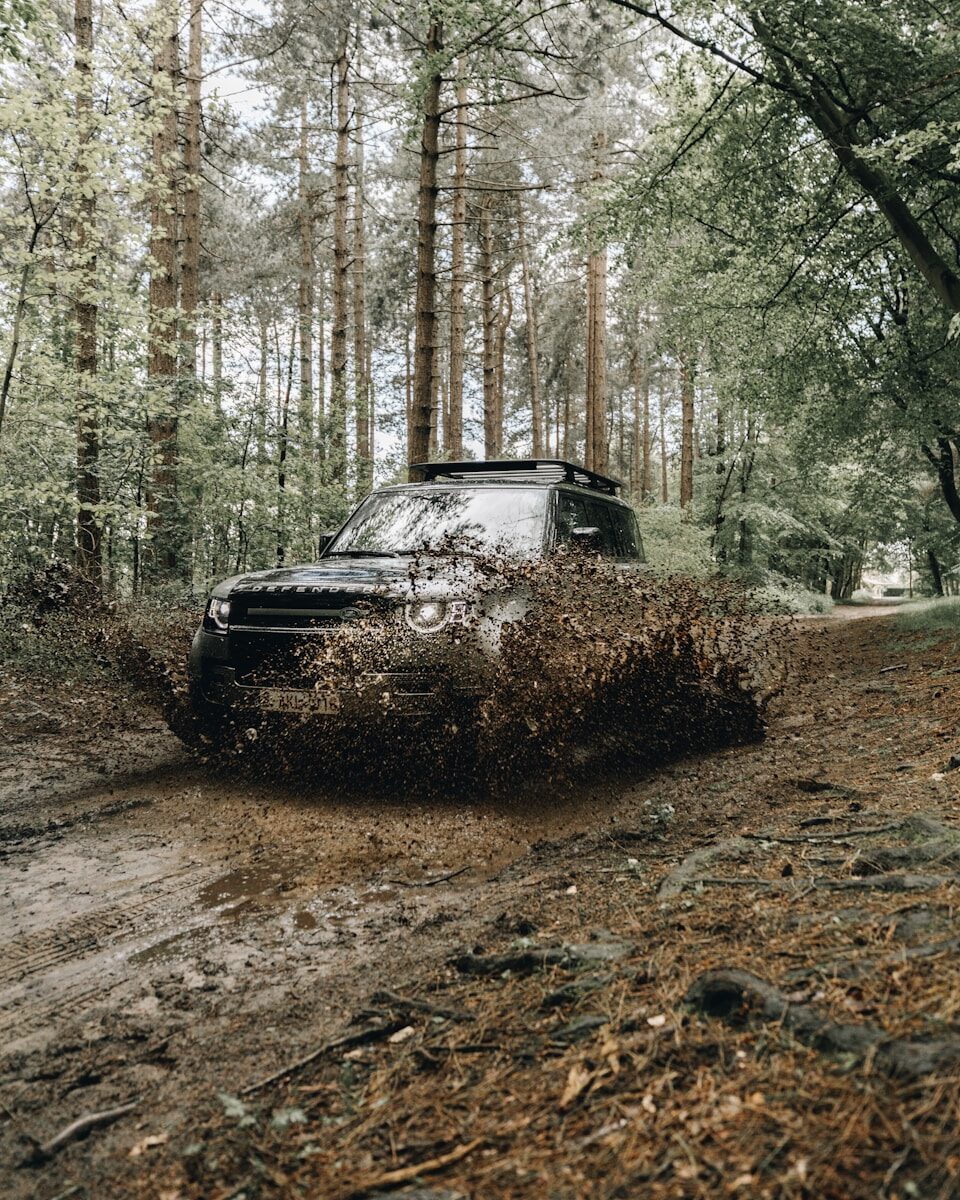
The terms four-wheel drive and all-wheel drive get tossed around as if they mean the same thing, and marketing departments do little to clear up the confusion. But these are genuinely different systems built for different purposes, and knowing which one a vehicle has tells you a lot about what it can and can’t do once the road gets rough.
All-wheel drive is designed to send power to all four wheels automatically, usually without any input from the driver. It’s the system you’ll find in most crossovers and many cars, and it shines in slippery on-road conditions like rain, light snow, and gravel. AWD systems constantly monitor traction and shuffle power to whichever wheels can use it, making them excellent for confidence in bad weather and for spirited driving on pavement.
Four-wheel drive is the more rugged, traditional system found in trucks and serious off-road SUVs. It’s typically part-time, meaning the driver engages it only when needed, and it often includes a transfer case with low-range gearing. That low range multiplies torque for crawling up steep grades, over rocks, and through deep mud at walking speed. Many 4WD systems can also lock the front and rear axles together to force both to turn at the same rate, which is invaluable in extreme terrain.
The tradeoffs follow naturally from the design. AWD is effortless and always ready, but most systems lack low-range gearing and aren’t built for sustained abuse far from pavement. Part-time 4WD is tremendously capable off-road, but it generally shouldn’t be left engaged on dry pavement, since the locked driveline can bind in turns and damage components. Some modern trucks offer a full-time or automatic 4WD mode that bridges the gap, giving you flexibility for mixed conditions.
Here’s the part people overlook: neither system is a substitute for the right tires. All the traction technology in the world can’t compensate for worn highway tires on an icy hill or street tires in deep mud. A capable set of all-terrain or winter tires will often do more for your real-world traction than the badge on the tailgate.
So which do you need? If you mostly drive on roads and want peace of mind in bad weather, AWD is likely all you’ll ever use. If you genuinely venture off-road, tow heavy loads in rough conditions, or live somewhere that demands serious capability, four-wheel drive with low range earns its keep. Match the system to how you actually drive, and you’ll never feel shortchanged when the pavement ends.
About the Author