Some crash reports make you wince; this one just makes you do a double-take at the arithmetic. One vehicle, three deer, all three dead, and — going by what little the department released — no mention of human injuries. That’s a lot of venison to meet at once before your coffee’s even kicked in.
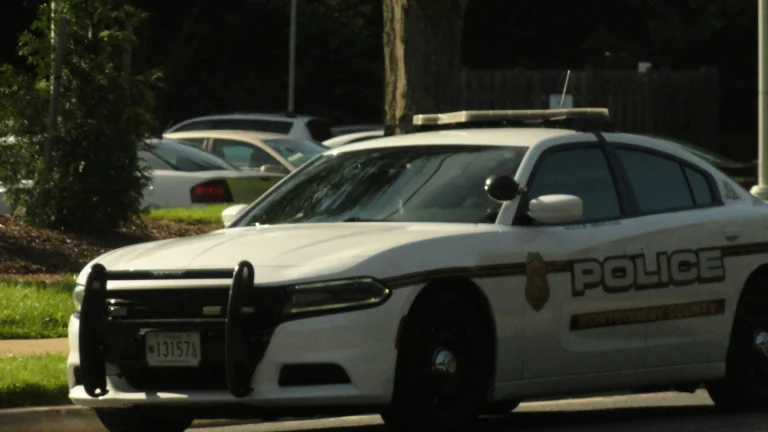
Here’s the whole of what’s confirmed. Mustang Ridge Police responded Saturday morning to a collision in which a vehicle struck three deer in the 17000 block of Camino Real, just after 7:45 a.m. All three animals were killed, and the department asked drivers to slow down through the area. Camino Real, for the non-locals, is the surface name for State Highway 21 as it runs southeast of Austin — a rural-flavored corridor where the tree line sits close to the shoulder and deer treat the pavement as a suggestion.
Related Articles
- This Week at Backfire: Everything You Missed From June 29 to July 3
- Manual vs. Automatic: The Fight That Refuses to Die, Finally Settled
The “three at once” part isn’t the freak occurrence it sounds like. Deer are herd animals, and the old rule holds: if you see one crossing, assume there’s a second and a third stacked up behind it, because there usually is. Does move with their fawns in the warm months, and where one steps into the road the rest tend to follow the exact same line a second later. A driver can brake for the lead animal and still plow straight into the two that were tucked behind it. That’s the geometry that turns a single close call into a triple.
The timing tracks, too. Deer are crepuscular — most active around dawn and dusk — so a strike a few minutes before 8 a.m. lands right inside their commute, not yours. The peak season for this is autumn, when State Farm’s data shows October through December accounting for roughly 41% of all animal-collision claims, driven by the rut. But summer mornings still hand out plenty of these, and Texas is squarely in the danger zone: the state logged an estimated 86,000 animal-collision claims in the July 2024–June 2025 study period, among the highest volumes in the country. Nationally, the same analysis put a driver’s odds of an animal strike at about 1 in 139 in a given year.
Now the part worth internalizing, because most drivers get it exactly backwards: hitting an animal is almost always a comprehensive claim, not a collision claim. Collision coverage is for hitting things like guardrails and other cars; comprehensive covers the stuff that happens to the car, and animal strikes live there alongside hail, theft, and falling branches. That distinction matters at claim time. Comprehensive usually carries its own deductible, and a single animal strike on an otherwise clean record generally doesn’t ding your rate the way an at-fault collision would. If you’re the type who drives rural two-lanes at deer o’clock, carrying comprehensive isn’t paranoia — it’s the coverage that actually applies.
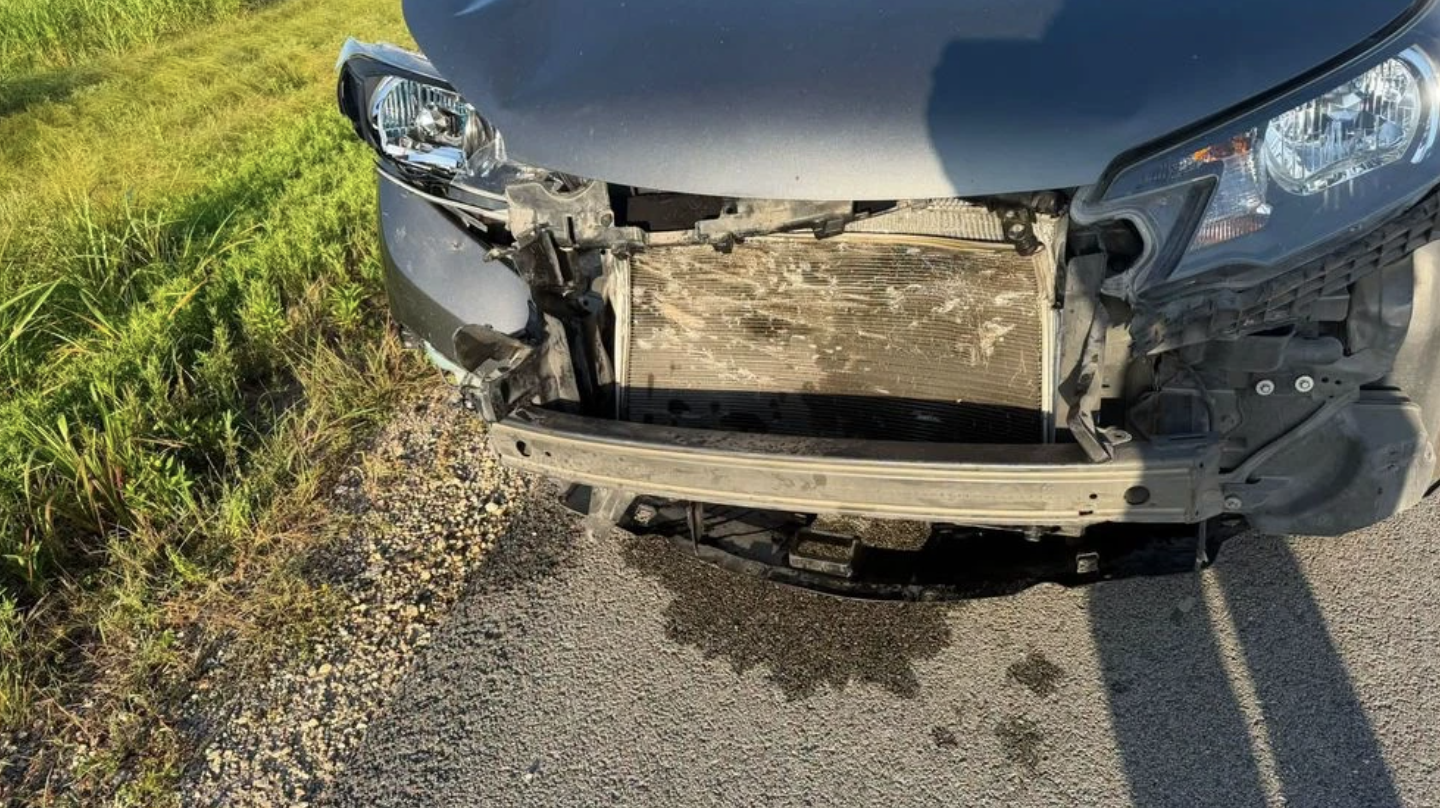
Mechanically, three deer is not three times a dented bumper. A single adult whitetail into the front of a modern car can crush the bumper cover, fold the hood, take out a headlight, and — the expensive part — punch through the radiator and A/C condenser, which is how a drivable-looking car strands you two miles later with the temperature gauge climbing. Multiply the debris and impact by three and you’re into airbag-deployment territory, which on many vehicles totals the car outright once you add the pyrotechnics, structural work, and the ADAS recalibration that follows. That last item is the sleeper cost: the radar and camera sensors that run adaptive cruise and automatic braking sit right behind the grille and bumper, and once they’re disturbed they need a factory alignment procedure that shops bill real money for.
Related Articles
- Your Car Starts Bleeding Cash the Second You Drive It Off the Lot, Here’s How to Slow the Bleeding
- Decoding Your Tire Sidewall: The Secret Language Stamped Right on Your Rubber
Practical takeaways, none of which involve a deer whistle — State Farm flatly notes there’s no scientific evidence those work. Don’t swerve; a lot of the truly bad wrecks happen when a driver yanks the wheel to miss a deer and finds a tree, a ditch, or oncoming traffic instead. Brake hard, stay in your lane, and keep the car pointed straight. If you do connect, get off the road, put the hazards on, and check for leaking coolant or a sagging bumper before you trust the car another mile. And in country like the SH-21 corridor at first light, treat the first deer you see as an announcement, not the whole show.
Images Via: Mustang Ridge Police Department
About the Author