Photo: Trick Rides
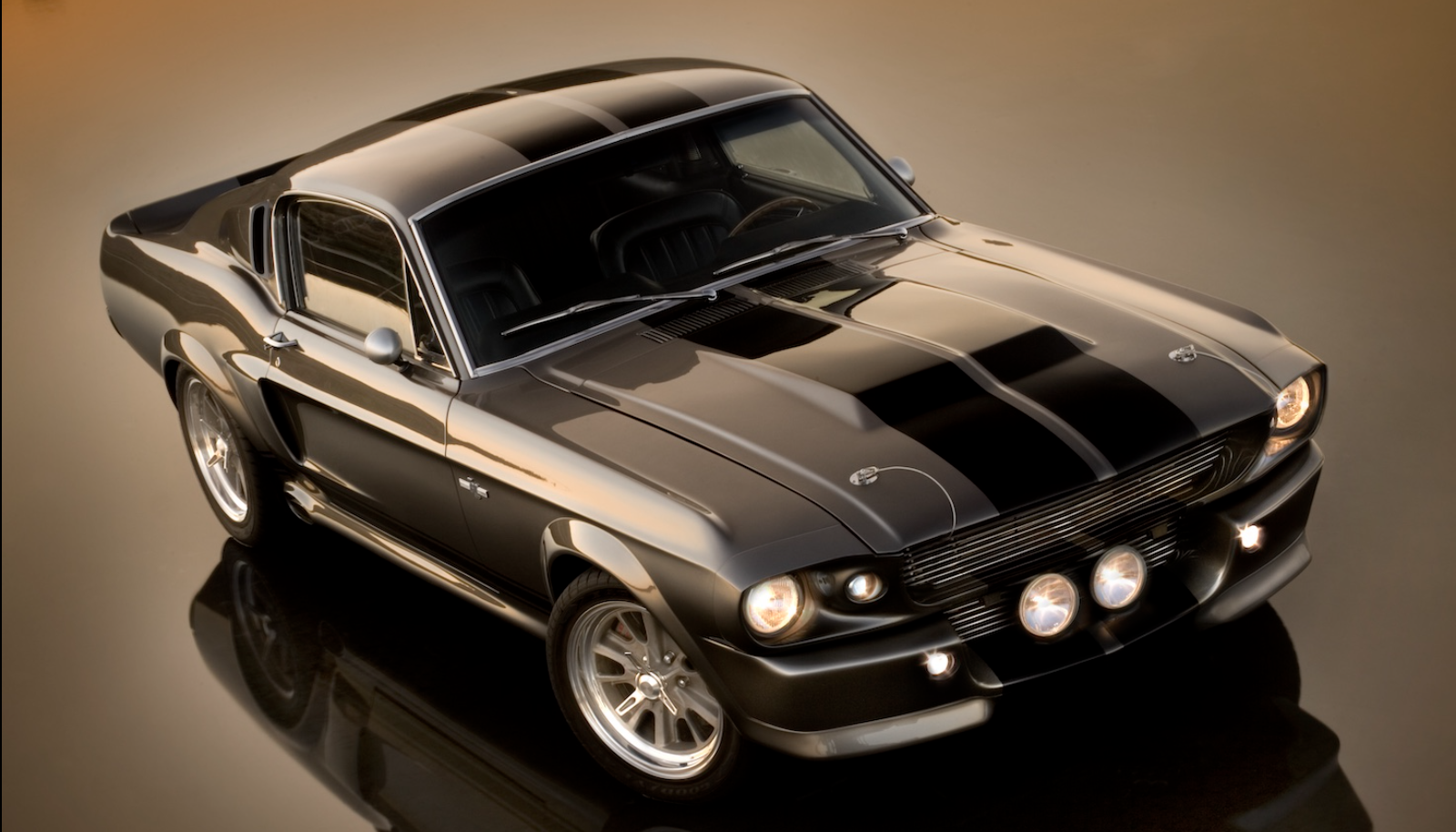
Every officially licensed Eleanor Mustang built over the last two decades owes its existence to one specific fastback. Custom shop Trick Rides has quietly listed that car, cataloged internally as Serial No. 1, for private sale. It isn’t the widest, loudest, or most powerful Eleanor tribute we’ve come across lately. Its pitch is simpler and much harder to replicate: it was the first one anybody was ever legally licensed to build.
Where “Eleanor” Actually Comes From
The nickname belongs to the 1967 Shelby GT500 fastback that Nicolas Cage’s character spends most of the 2000 remake of Gone in 60 Seconds trying not to wreck. The car became such a fixture in enthusiast culture that a small industry sprang up building tribute versions, the vast majority assembled without any formal relationship to whoever controls the rights to that specific design. We’ve covered a genuinely licensed carbon-bodied Eleanor before, and the gap between a backyard tribute and a car with real paperwork tracing back to the rights holder is enormous, enough that authentic licensed Eleanor replicas have been commanding roughly half a million dollars apiece.
Why Serial Number One Is a Different Conversation
Trick Rides says this particular fastback was completed in 2007 by the first builder ever licensed to produce Eleanor replicas, making it the prototype the entire licensed lineage descends from. That distinction matters more to serious collectors than horsepower figures do. A car described as the literal starting point of a licensed run occupies a category by itself, the same way a limited-run vehicle’s first production example tends to outperform its siblings at auction regardless of mileage or condition.
The Spec Sheet Behind the Provenance Story
Underneath the Pepper Gray and Metallic Black paint, the car runs a 427 cubic-inch stroker V8 backed by a Tremec five-speed manual, a pairing that trades outright modernity for the mechanical connection resto-mod shops charge a premium to recreate in the first place. The front end has been converted to rack-and-pinion steering on a tilting Flaming River column, replacing the vague recirculating-ball setup that made original 1967 Mustangs feel like they were steered by suggestion rather than input. Total Control components handle the independent front suspension and a four-bar rear setup, both riding on Varishock coilovers, while oversized front and rear sway bars keep body roll in check.
Baer supplied the four-piston brakes at all four corners, backed by an adjustable rear-proportioning valve, a detail that lets an owner fine-tune front-to-rear brake bias as the car’s weight distribution shifts with whatever else gets modified down the line. A BeCool module handles cooling duty, which matters more than it sounds like it should. Stroker small-blocks stuffed into 1960s engine bays overheat easily once horsepower goes up without radiator capacity going up to match, and PSE wheels wrapped in Z-rated Goodyears round out a rolling package built to actually be driven, not just displayed.
A Lee Iacocca Autograph Adds an Odd, Fitting Footnote
Trick Rides states the car carries a hand autograph from Lee Iacocca, the Ford executive most credited with pushing the original Mustang into production back in 1964. Iacocca had nothing to do with the Shelby GT500 or the movie that turned this specific fastback into a pop-culture object decades later, so the signature reads less like a direct link to this car’s history and more like a nod to the nameplate’s origin story. It’s a nice detail for a collector’s wall plaque. It doesn’t change a single bolt on the car.
No Listed Price, and That’s Normal for a Car Like This
Trick Rides isn’t publishing an asking price. Interested buyers are directed to request a private viewing instead, which is standard practice once a vehicle’s value depends more on paperwork and precedent than a comparable-sales chart. If the roughly half-million-dollar price tag attached to standard licensed Eleanor replicas is any indication, a car marketed as the origin point of that entire licensed category is going to ask for a real premium over that number, assuming Trick Rides can back up the serial-number-one claim with documentation a buyer’s attorney will actually accept. Shelby-badged Mustangs already have a track record of selling for more than their original sticker price when the story attached to them is compelling enough, and a documented number-one car is about as compelling a story as this corner of the hobby gets. Modern Car Collector has followed the licensed cars through the market, from the first 25th-anniversary Eleanor heading to Mecum Indy to the $550,000 result at Barrett-Jackson Columbus.
The Buyer’s Homework Doesn’t End at the Autograph
The unlicensed side of the Eleanor market exists precisely because the character design is controlled intellectual property, not public domain styling anyone can slap on a 1967 fastback. Builders without a licensing agreement generally aren’t pursued unless they start selling at real volume, which is part of why so many tribute cars circulate at swap meets and cruise nights without anyone blinking. A buyer paying six figures for a licensed example, though, should want more than a builder’s word for it: a licensing certificate, a build book, and a VIN trail that a title company and an insurer will both recognize without a fight. None of that shows up in a glamour photo, and all of it matters more than the photo does once real money changes hands.
For anyone shopping this particular, strange corner of the collector market, the lesson is the same one that applies to any six-figure movie car: the tribute business is full of cars that look right. The ones actually worth the premium come with a paper trail proving they earned the name.
Lead image: Trick Rides
About the Author