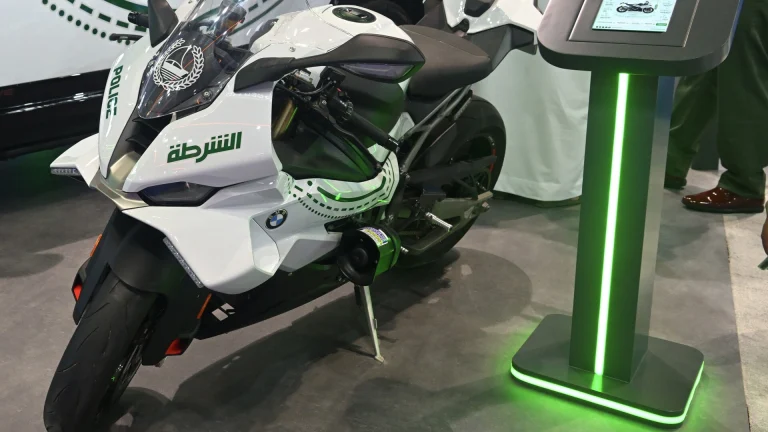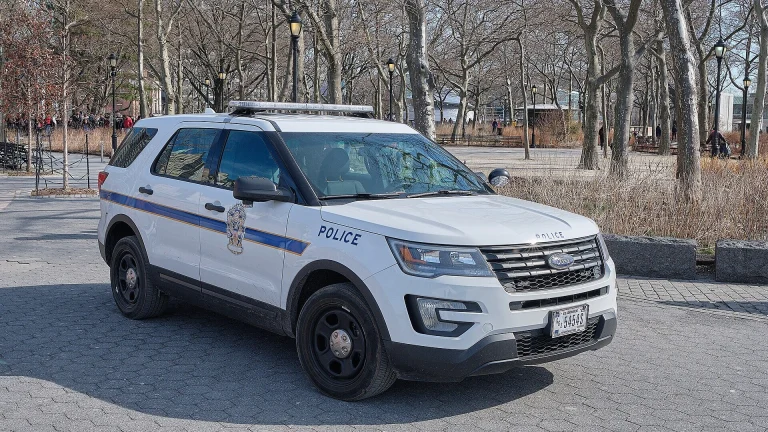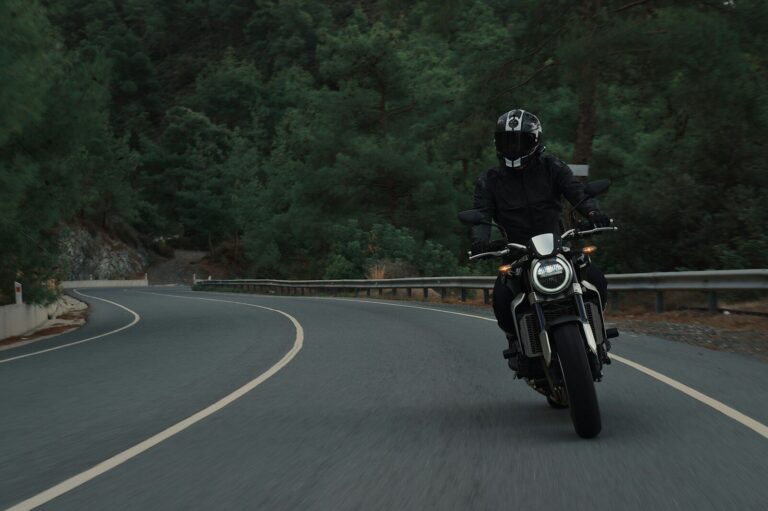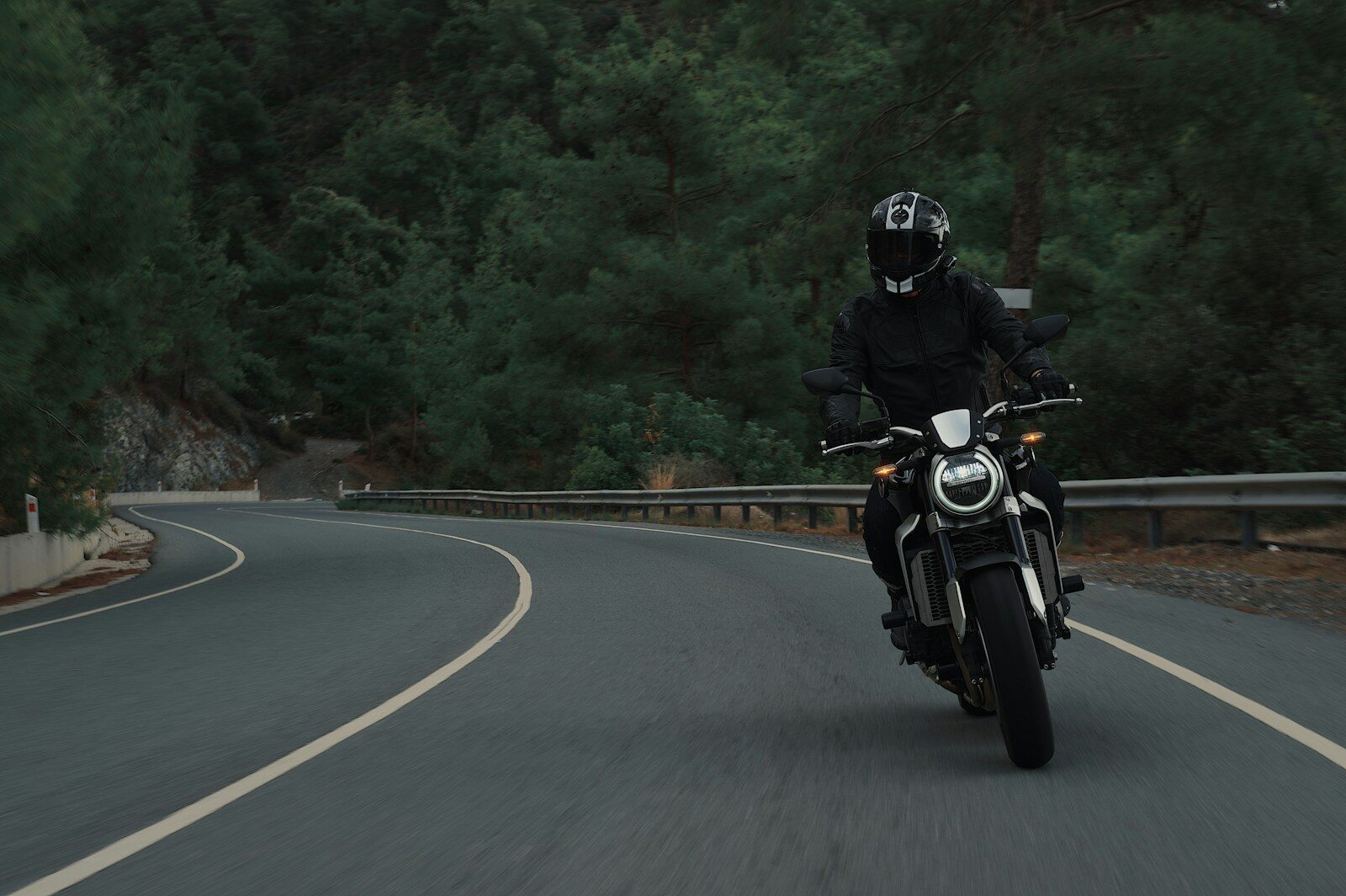
A Florida Highway Patrol trooper started chasing a blue motorcycle around 5:30 p.m. on Sunday, Nov. 15. According to his arrest report, he followed it from State Road 429 onto State Road 414 northwest of Orlando and reached speeds of up to 147 mph but was still losing ground on the rider. FHP identified the rider as 27-year-old Jeremiah Davis and says he hit nearly 150 mph. WKMG News 6 reviewed the report. clickorlando
The trooper didn’t catch the motorcycle. Traffic stopped it. The pursuit ended near the intersection of SR-414 and Rose Avenue in Altamonte Springs. In the report, the trooper wrote that “as we approached Rose Avenue and traffic became heavier, with many intersecting roadways ahead, the motorcycle finally pulled into the left-turn lane and stopped.” Then, “I initially passed the motorcycle and backed up to it within close proximity to ensure the pursuit would not start again.” clickorlando
Related Articles
- A North Manchester, Indiana, Council Critic’s Plate Got 63 Flock Searches. The Town Just Killed Its 3-Camera Contract
- A Flagstaff-Area Semi Driver Blew 0.301 With a Twisted Tea in the Cab. A 911 Caller Pulled Him Out and Took the Keys, DPS Says
According to the report, the trooper got out of his vehicle and drew his weapon. Davis did not initially comply with commands to get on the ground. Later, he pulled his hand away as the trooper tried to handcuff him. The trooper and a plainclothes officer got Davis on the ground and handcuffed him. FHP charged him with fleeing and eluding at high speed, reckless driving, operating over 100 mph in a threatening manner, and resisting without violence. Davis has hired an attorney and entered a not guilty plea, according to court records. His attorney has not made a public statement that I could find. clickorlando
The “super speeder” label is what got this story attention, but it is the least serious of the four charges. Most of the prison exposure and the license consequences come from the fleeing charge.
The super speeder law is a misdemeanor-level charge
Florida’s dangerous excessive speeding law, Section 316.1922, took effect July 1, 2025. The enrolled bill covers two kinds of driving: “In excess of the speed limit by 50 mph or more.” or “At 100 mph or more in a manner that threatens the safety of other persons or property” and “or interferes with the operation of any vehicle.” The charge against Davis uses the second definition. flsenate
The penalties are small compared with what the label suggests. A first conviction carries “imprisonment for up to 30 days or by a fine of $500, or by both a fine and imprisonment.” A first offense brings no license penalty. Revocation applies only on a second conviction, and only when the violation occurs within 5 years of a prior conviction under this section. According to Orange County records cited by News 6, Davis’s only prior is a 2017 speeding ticket on a motorcycle, when he was 18, which is not a conviction under the 2025 law. flsenateclickorlando
The legislature made the law narrower before passing it. The House’s second committee substitute defined the offense as simply “At 100 mph or more.” and set the first-offense penalty at “imprisonment for up to 90 days or by a fine of $500”. The final version added the requirement that the speed threaten people or property and cut the maximum first-offense jail time from 90 days to 30. As passed, a prosecutor has to prove more than the radar reading to convict, and the maximum sentence is a third of what that draft allowed. flsenate
The fleeing charge carries the heavier penalties
Florida’s fleeing statute, Section 316.1935, sets the felony levels. Fleeing a marked patrol car with lights and siren on is a third-degree felony. Driving at high speed or with “wanton disregard” for safety is a second-degree felony. FHP’s charge, fleeing and eluding at high speed, refers to that higher tier. www.leg.state.fl.us
The fleeing statute also takes the license. For a violation of subsections (1) through (4), the court must revoke the driver license for “not less than 1 year nor exceeding 5 years.” Judges also can’t use the alternative many first-time defendants get: courts cannot suspend, defer, or withhold adjudication for any violation of this section. A conviction on the 150-mph speeding count alone could mean a $500 fine with the license intact. A conviction on the fleeing count means a felony record and at least a year without a license. www.leg.state.fl.us
How a similar Palm Beach case ended
A case in Palm Beach County this year shows how these cases can resolve. In February, troopers said a Greenacres rider weaved through traffic at speeds topping 150 mph on southbound I-95 after they turned on their lights and siren. In May, according to CBS12’s review of court records, he pleaded guilty to two counts of reckless driving and was sentenced to 240 days in the Palm Beach County Jail, with credit for 99 days already served. The chase was resolved as reckless driving rather than a fleeing conviction, and reckless driving does not carry the fleeing statute’s mandatory revocation. cbs12
Related Articles
- Two Traffic Cones Were the Only Warning Before a White Sedan Met a Staircase. The Camera Clocked It at 15 Seconds
- An Abu Dhabi Highway Just Saw a Yangwang U9 Xtreme Hit 312.65 MPH. Guinness Signed Off, With One Asterisk: One Direction Only
Charges under the new speeding law are also showing up on their own. In Pinellas County, WFLA reported that FHP arrested a 20-year-old under Florida’s “Super Speeder” law after troopers said they caught him flying down U.S. 19 going nearly 150 mph, at 145 mph in a 55 zone. wfla
Questions about the trooper’s 147 mph
Running 147 mph in a patrol car is also a risk to other drivers. FHP gave News 6 a statement rather than an interview: “FHP troopers receive training regarding pursuits and supervisors monitor patrol activities throughout each shift.” The agency’s pursuit policy, as quoted in that report, leaves the decision to the trooper but requires that “the member must exercise due regard to ensure that their actions are objectively reasonable.” A nearby resident told the station that if the trooper was going that fast, “that means the cop is doing exactly what he’s trying to prevent.” clickorlando
The trooper’s own report says the pursuit didn’t close the gap. Heavier traffic at Rose Avenue ended the chase, and the same traffic would have made a collision more likely if the motorcycle had kept going.
What comes next in Orange County court
Davis has pleaded not guilty and has a lawyer. I couldn’t find a trial date or bond conditions in the reporting. The charges are accusations.
The key question for his case is whether the fleeing count holds. If prosecutors keep the high-speed fleeing felony, a conviction means a revocation of at least a year with no withhold of adjudication. If the case ends the way the Palm Beach chase did, as reckless driving, the license consequences mostly go away.
The House wanted 100 mph to be a crime on the radar reading alone. The final law makes prosecutors prove someone was in danger. Where would you have set the line?
About the Author