Porsche has spent decades cultivating a reputation for fussing over things like crankshaft counterweights and the exact resonance of a flat-six exhaust note, so it’s a little strange to see the brand’s name sitting next to a $30-billion-a-year Indian IT services company. On August 24, Porsche AG and Tata Consultancy Services confirmed a five-year strategic partnership, and buried inside the announcement is the more interesting detail: TCS is buying MHP, Porsche’s own in-house consulting subsidiary, outright.
MHP won’t mean much to anyone shopping for a 911, but it has been Porsche’s internal engine room for automotive and industrial consulting for years, the team that maps out manufacturing digitalization, SAP integration, and connected-mobility strategy. Under the agreement, a TCS subsidiary will acquire 100% of MHP Management- und IT-Beratung GmbH once regulators sign off. In exchange, TCS is standing up a dedicated AI Mobility Centre of Excellence built around four corners of Porsche’s business: manufacturing, engineering, operations, and customer experience, for at least the length of the five-year deal.
TCS CEO and Managing Director K. Krithivasan framed the deal as pairing his company’s AI, engineering, and business-transformation capabilities with MHP’s automotive consulting pedigree to industrialize AI at scale for Porsche. Porsche AG CEO Dr. Michael Leiters was more candid about why his company is selling off a subsidiary it built itself, describing the sale as part of an effort to “focus resolutely on its core business.” That phrase matters more than the AI buzzwords around it. Porsche’s own newsroom filed this deal under its Sportwagenschmiede ’35 strategy, the company’s shorthand for narrowing itself back down to what it actually sells: sports cars, not spreadsheets.
Strip away the press-release language and the AI Mobility Centre of Excellence is really a bet on unglamorous, expensive plumbing. Based on the scope TCS outlined, think predictive maintenance scheduling on the production line at Zuffenhausen, generative-design work on lightweight structural components, supply-chain forecasting so a paint-shop delay in Slovakia doesn’t strand a Cayenne order in Ohio, and back-end tooling for dealer service departments. None of that shows up as a headline feature on a window sticker, which is exactly why most car shoppers will never hear about it, even though it affects how reliably their car gets built and serviced.
Volkswagen Group, Porsche’s parent, has already lived through the alternative approach. Its in-house software division, Cariad, spent years and billions of euros trying to build automotive software from scratch across the whole group, and the delays it caused pushed back EV launches and cost several executives their jobs. Porsche watching that play out from inside the same corporate family helps explain why handing the unglamorous software grind to a company that already does it for a living, while keeping engineering and design in-house, looks like the safer bet this time around.
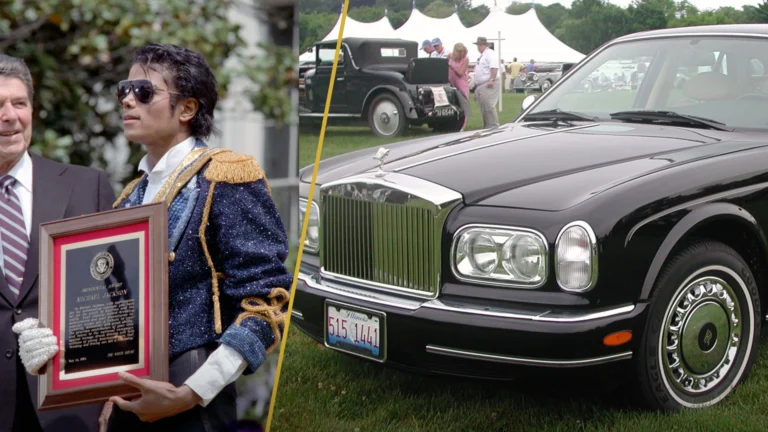
It also tracks with how Porsche treats its own engineering obsessions elsewhere. This is a company that will meticulously rebuild a customer’s supercar from the ground up and reset the odometer to zero rather than cut corners on a restoration, and one with enough heritage weight that a Carrera GT once custom-ordered by Michael Schumacher becomes a genuine auction event. Even Porsche’s fashion-world crossovers, like the Singer collaboration with Louis Vuitton, get treated as engineering exercises first and marketing second. Outsourcing IT consulting doesn’t fit that pattern because it contradicts it, it fits because software plumbing was never the part of the business Porsche wanted to obsess over in the first place.
The mechanics of the deal matter too. Deutsche Bank AG advised TCS on the financial side and the law firm Noerr handled legal counsel, and the whole arrangement still needs regulatory approval before it closes. That is not a formality. A German GmbH changing hands to a foreign-headquartered acquirer typically draws scrutiny from Germany’s antitrust authority and can trigger a foreign-investment screening if regulators decide the work touches sensitive technology. MHP’s employees will also transfer to a new corporate parent as part of the carve-out, the kind of change that German works councils typically negotiate hard over when it comes to site guarantees, benefits, and existing contracts.
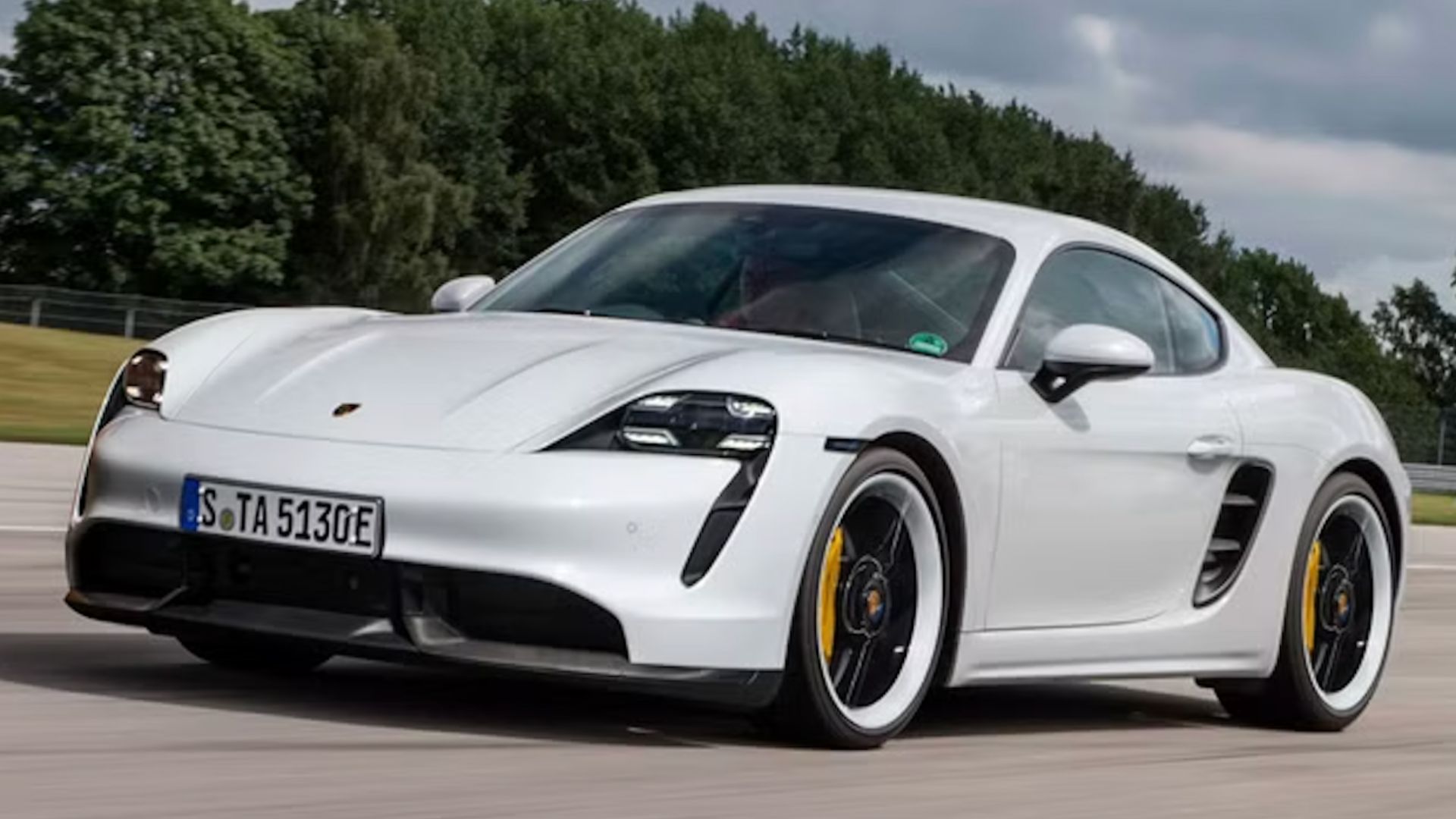
None of this changes anything about the 911, Taycan, or Cayenne sitting on a dealer lot this year. What it might change, if it works, is how quickly Porsche can push accurate software fixes, how well it forecasts parts and production, and whether it avoids the multi-year software swamp that has slowed down other manufacturers trying to build everything themselves. Porsche didn’t buy itself an AI company. It sold one, and effectively rented a much bigger one, so it can get back to caring about eight-cylinder sound and exactly how a seat bolster holds you through a decreasing-radius corner.
About the Author