NASCAR’s driver-approval process is drawing fresh criticism after a rough Daytona weekend for two very different drivers: Natalie Decker and Cleetus McFarland both ran into on-track trouble, and the incidents have reopened a bigger question about how NASCAR decides who’s ready to compete at its highest-speed venues.
Two Incidents, One Common Thread
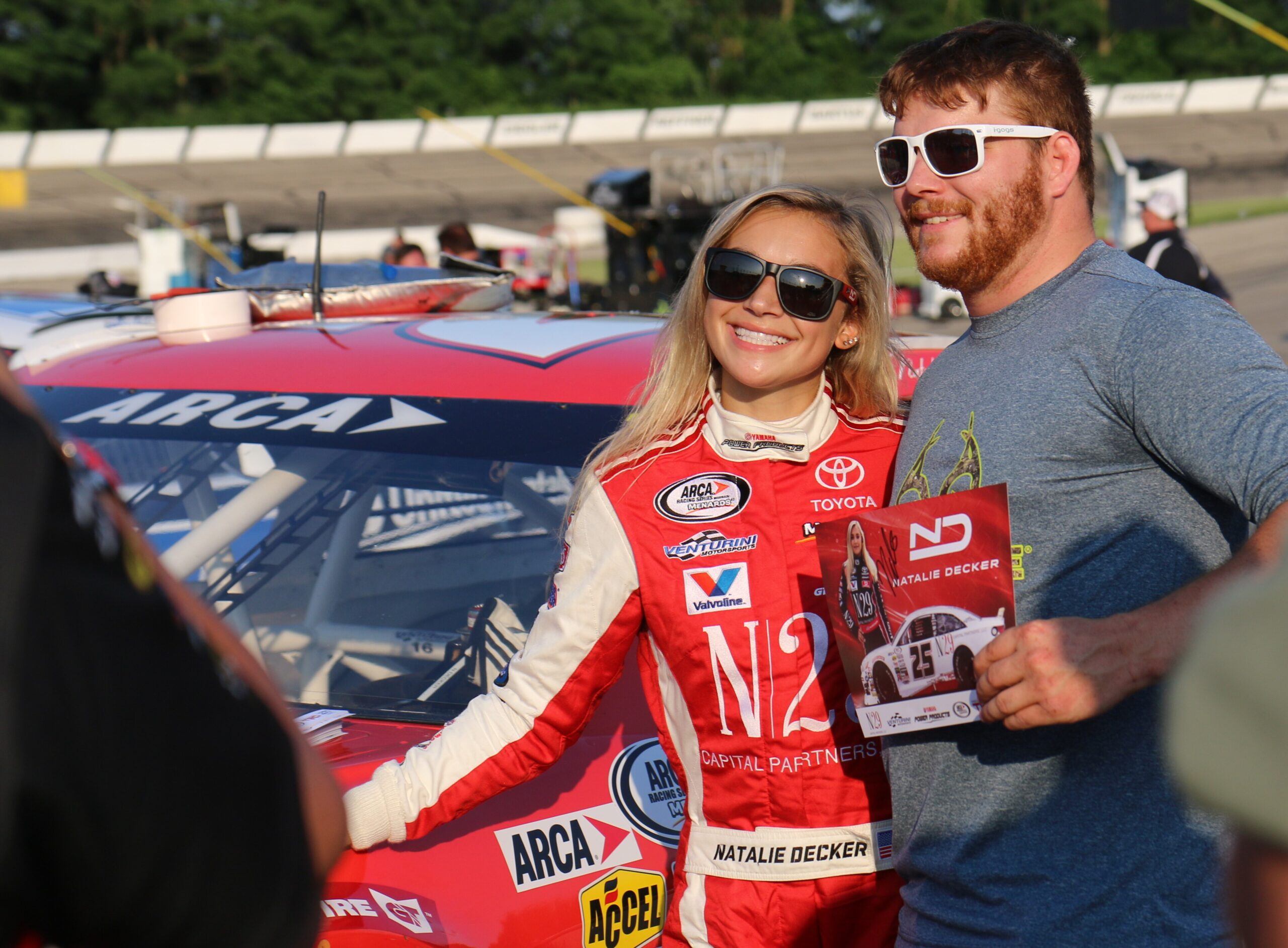
Decker was making a return to Tier-2 competition at Daytona after limited seat time over the past two seasons. Running the high lane during the United Rentals 300, she became involved in a wreck with Sam Mayer, and the contact immediately drew scrutiny over whether there was enough room for her to avoid it as Mayer’s car moved up the track. Decker carries seven lead-lap finishes across 46 national series starts, a resume that put her squarely under a microscope once the crash happened.
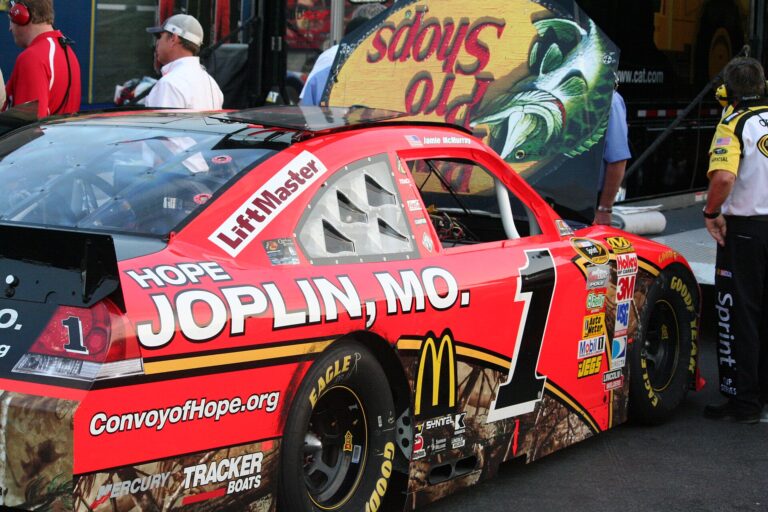
McFarland, meanwhile, was making his Truck Series debut at Daytona and was caught up in a wreck just six laps into the race. He’d logged a handful of ARCA superspeedway starts before this, including a roughly 11th-place finish in an ARCA event after working through a pit road issue, but critics zeroed in on his limited experience at the Truck Series level following the early crash.
Why Fans Keep Bringing Up Mike Wallace
Both incidents quickly got compared to a different case: Mike Wallace, who wasn’t cleared to compete in last year’s Daytona 500 after an extended absence from superspeedway racing. Fans have pointed to that decision and asked a fair question, why did Decker and McFarland get approved for Daytona competition while Wallace didn’t get cleared for the Cup race. It’s the kind of inconsistency that fuels exactly the criticism NASCAR is now facing about how its approval standards actually get applied.
Industry Voices Weigh In
Spotter Freddie Kraft addressed both situations on a recent racing podcast, arguing that both drivers’ résumés raised legitimate questions about their readiness for Daytona specifically, and placing the responsibility for that squarely on NASCAR’s approval process rather than on the drivers themselves. Kelley Earnhardt Miller responded on social media to Decker’s own explanation of the Mayer incident, while representatives from JR Motorsports backed Mayer’s side of the story, pointing out his car had already sustained heavy damage by the time of the contact. Dale Earnhardt Jr. offered a more measured take on McFarland specifically, acknowledging that Daytona incidents can happen to any driver while also suggesting more seat time would benefit his continued development.
For now, NASCAR hasn’t announced any changes to how it approves drivers for superspeedway competition. Both Decker and McFarland competed through the rest of the weekend, and the broader debate over eligibility standards, and how consistently they’re actually enforced, remains an open conversation within the sport.
About the Author