A deadly overnight crash involving a McLaren sports car has now turned into a criminal case in Chicago, and the details paint a brutal picture of what can happen when speed, bad decisions, and reckless driving collide in the middle of a city intersection.
More Stories Like This
- Inside South Carolina’s $100 Million Driver Data Machine and Why Drivers Should Be Paying Attention
- McLaren Built A Le Mans Hypercar Too Extreme For Racing Rules And VIP Buyers Are Getting The Real Monster
- Motorcycle Left Hanging From Traffic Light After Violent Crash In Canada
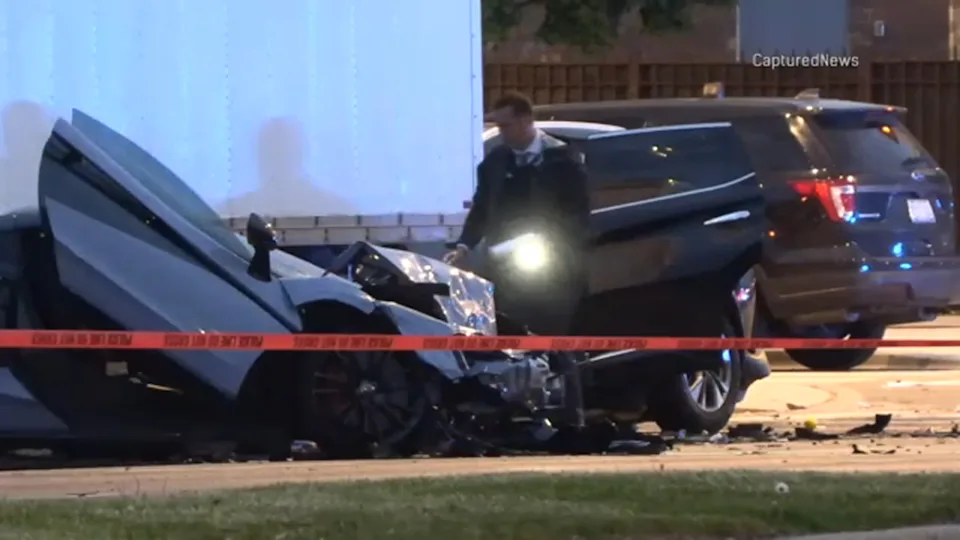
Chicago police say 45-year-old Garland Spikes has been charged after a violent crash in the city’s Grand Crossing neighborhood left a 64-year-old woman dead early Sunday morning. Authorities allege Spikes was behind the wheel of a McLaren sports car that ran a red light before slamming into a black SUV around 2:42 a.m. near the 6900-block of South Stony Island Avenue.
The woman killed in the crash was identified by the Cook County Medical Examiner’s Office as Detrice D. Wortham. Police said she was inside the black SUV traveling northbound when the McLaren, heading eastbound, allegedly entered the intersection against the light and crashed into the SUV.
Wortham died at the scene.
That alone would make this a devastating story. But this is where things change.
Police say the McLaren driver was allegedly operating the exotic sports car while his license was suspended. Spikes is now facing charges that include reckless homicide, reckless driving, and driving with a suspended license. He was scheduled to appear in court Tuesday.
Meanwhile, the driver of the SUV reportedly fled the scene after the crash.
That detail matters because the aftermath of the collision appears to have spiraled well beyond the initial impact. Video from the scene showed a heavily damaged black Nissan SUV crashed into a box truck after the collision. The sequence suggests the force of the crash sent the SUV careening into additional vehicles, turning a single alleged traffic violation into a fatal chain-reaction disaster.
And that’s where the story gets complicated.
High-powered supercars like McLaren models are engineered for extreme performance. They are capable of staggering acceleration and high speeds that far exceed what public streets are designed to handle safely. When something goes wrong in a vehicle like that, especially in an urban environment packed with intersections, traffic signals, and commercial vehicles, the consequences escalate fast.
Chicago police have not released additional details about speed or impairment, and no further allegations beyond the filed charges have been announced. Still, the accusations alone point toward a situation that many drivers find increasingly frustrating: dangerous behavior behind the wheel mixed with drivers who should not legally be operating vehicles in the first place.
You Should Read This Next
- 140 MPH Chevy Malibu Police Chase Ends In Violent Rollover After Driver Tries To Outrun Arkansas Trooper
- Mercedes-Maybach Refuses to Kill the V12 as America Becomes the Last Safe Haven for 12-Cylinder Luxury
- Ferrari 488 Pista Destroyed in Moscow Crash as Rapper Navai’s Speed Claim Faces Scrutiny
- Abandoned 455 Pontiac Trans Am Found Rotting in Junkyard as Muscle Car Fans Debate Whether It’s Worth Saving
A suspended license is not a paperwork technicality. In cases like this, it immediately changes how the public views the crash because it raises obvious questions about accountability long before the collision ever happened. If the allegations hold up in court, prosecutors will likely focus heavily on the claim that Spikes was already prohibited from driving before the fatal crash occurred.
Here’s the part that matters for car enthusiasts.
Stories like this create fallout far beyond the people directly involved. Every time a high-profile exotic car crash turns deadly, public pressure ramps up against performance vehicles and enthusiast culture as a whole. That often leads to calls for stricter enforcement, harsher penalties, increased surveillance, and broader scrutiny of drivers who had nothing to do with the incident.
That frustration cuts both ways in the automotive community.
Real enthusiasts understand that owning or appreciating high-performance cars comes with responsibility. Most people who love cars are not treating public roads like racetracks. But when a deadly crash involves a McLaren, a Ferrari, a Lamborghini, or any recognizable exotic badge, headlines spread fast and public perception hardens even faster.
And the timing matters too.
Across major cities, police departments and lawmakers have already been under pressure to crack down on reckless driving, street racing, and dangerous late-night driving behavior. Fatal crashes involving expensive performance cars only intensify those conversations. The concern for many drivers is that broad restrictions and enforcement measures often end up affecting ordinary motorists while the worst offenders continue ignoring the rules anyway.
This crash also highlights another reality that cities continue struggling with: intersections remain one of the most dangerous places on urban roads. Allegations of red-light violations are especially serious because they remove one of the few predictable systems drivers rely on to avoid catastrophic collisions. When one driver ignores that system, everyone else in the intersection becomes vulnerable instantly.
For Wortham’s family, the legal process now begins while they deal with the loss of a loved one killed in a crash police say should never have happened. For prosecutors, the case will likely focus on whether reckless decisions directly led to the fatal outcome. For Chicago drivers, it becomes another reminder of how quickly an ordinary drive through the city can turn deadly.
And then there’s the unanswered question surrounding the SUV driver who reportedly fled the scene.
Police have not explained why the driver left or whether additional charges could emerge related to that part of the incident. But it adds another layer to a crash that already involves serious criminal allegations, a fatality, and one of the world’s most recognizable supercar brands.
This is where the bigger issue starts creeping in.
Performance cars themselves are not the problem. Reckless behavior is. But when someone allegedly runs a red light in a McLaren while driving on a suspended license, the damage reaches beyond one intersection in Chicago. It affects public trust, fuels political pressure, and hands critics another example to use against performance driving culture altogether.
And for drivers who simply want to enjoy cars responsibly, that may end up being one of the biggest consequences of all.