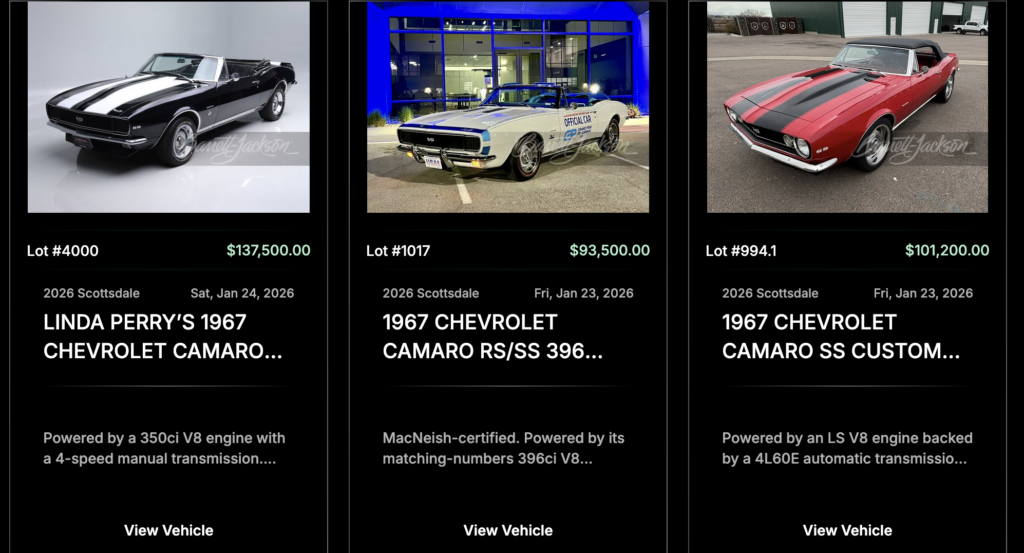
When Linda Perry’s 1967 Chevrolet Camaro convertible crossed the block at the 2026 Barrett-Jackson Scottsdale Auction, the hammer fell at $137,500, a number that sits well above what a comparable first-generation Camaro convertible typically brings without a famous name attached to the title.
A Solid Car, Not a Rare One
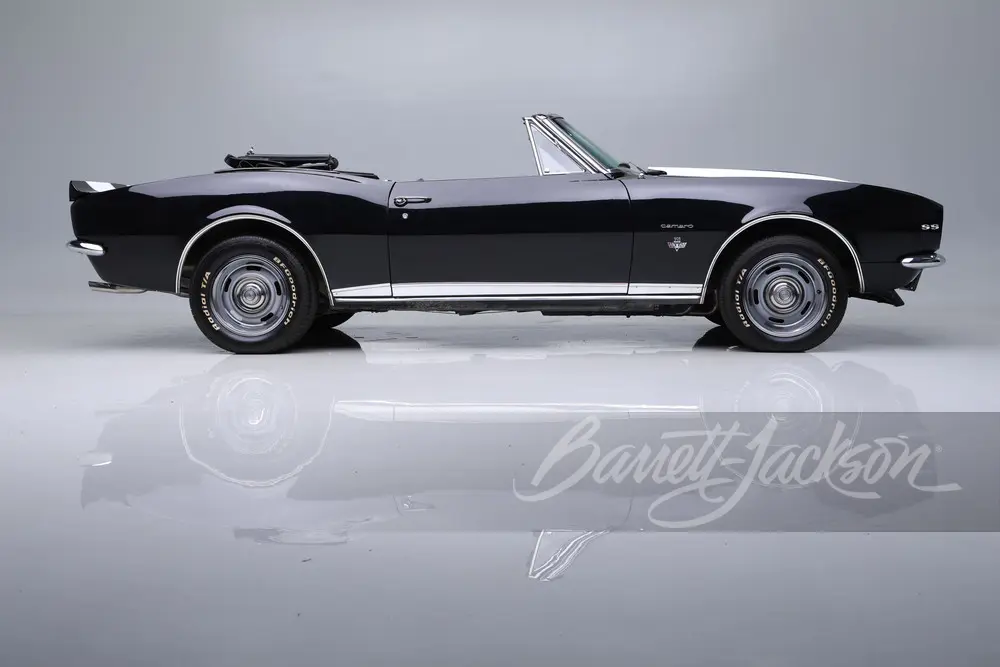
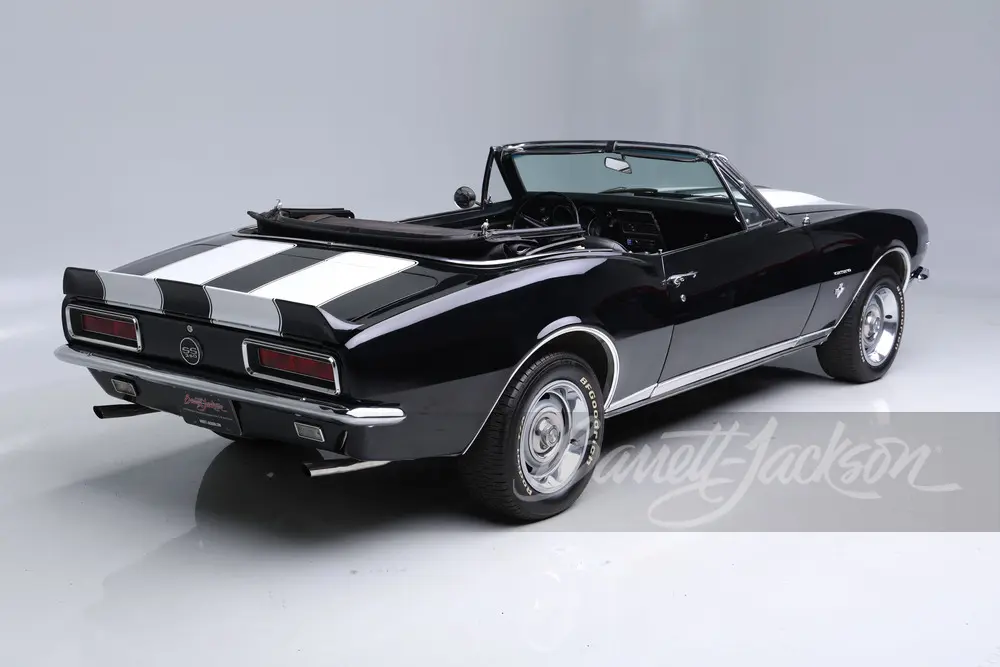
The Camaro itself is straightforward but well-specified rather than a factory-rare unicorn: a first-year 1967 model finished in black with white Le Mans stripes, powered by a 350ci V8 and backed by a 4-speed manual, wearing a black convertible top and black interior. Perry owned it for approximately 20 years, and according to Barrett-Jackson, it was driven sparingly and consistently maintained throughout that ownership.
On paper, that’s not a six-figure outlier. Well-restored 1967 Camaro convertibles with small-block V8s and manual gearboxes commonly trade below the $100,000 mark depending on originality, documentation, and presentation, and even strong examples without rare factory options tend to land well below where Perry’s car ultimately sold.
So Why Did It Sell for More?
Provenance was the first factor. Perry wasn’t a distant former owner known only through paperwork; she was present at the sale in person, which reinforced the authenticity and emotional weight behind the car rather than leaving it as an abstract fact on the title history. Barrett-Jackson leaned into that moment, treating the sale as a live cultural event rather than a routine lot crossing the block.
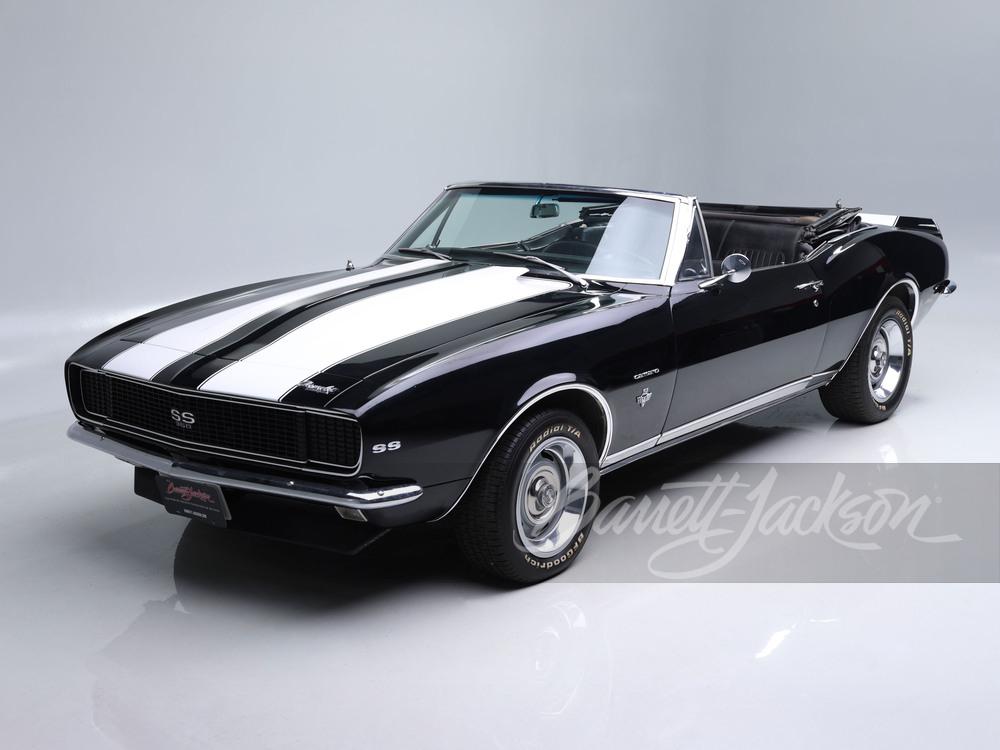
Second, and arguably more important, the sale included something no comparable Camaro can offer: the winning bidder receives an exclusive opportunity to spend an afternoon recording with Perry. That single detail changes the entire calculus of the sale. This wasn’t purely a car purchase; it was a hybrid of collectible asset and a genuinely once-in-a-lifetime access opportunity, and bidders clearly priced that experience into their final numbers.
Spectacle Sells at Televised Auctions
Third, the broader climate at large televised auctions rewards a recognizable story as much as a spec sheet. Bidders in that room, and watching at home, respond to narrative, and Barrett-Jackson’s own social media reaction after the sale leaned directly into that energy, celebrating Perry’s presence and playfully nodding to her most famous songwriting credit as the car “rocked the block.” That framing wasn’t accidental. It turned the Camaro into an event rather than simple inventory moving through a docket.
What This Means for Other Sellers
The lesson here isn’t that every celebrity-owned muscle car is suddenly worth a premium. It’s more specific than that. The market still rewards condition, documentation, and desirability first, and celebrity ownership only becomes a real multiplier when it’s visible, credible, and paired with something buyers genuinely cannot replicate anywhere else.
Overvalued or Just Differently Valued?
The obvious question after a sale like this is whether the car was simply overvalued. The more accurate answer is that it was differently valued. The buyer didn’t just purchase a 1967 Camaro; they bought a moment, a story, and an access opportunity that will never be offered again in exactly this form. That distinction explains the final price far better than any claim of pure hype could.
About the Author