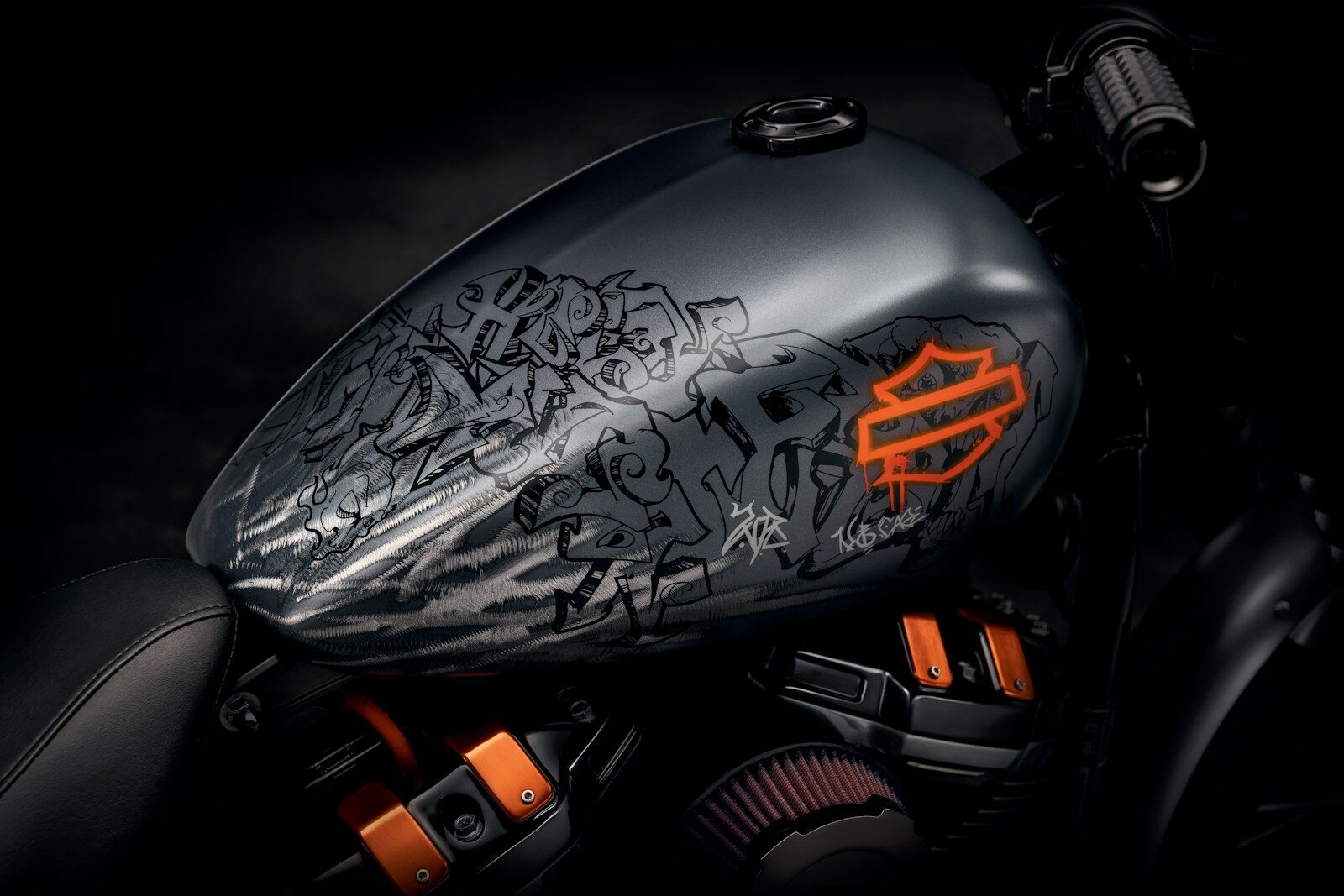
Harley-Davidson’s board approved a third-quarter cash dividend of $0.1875 per share on September 3, payable September 29 to anyone holding the stock as of the September 15 record date. That’s normally a housekeeping announcement — dividends get declared every quarter without much drama. Except this one is quietly odd. Line it up against the last two payouts and the number goes down, not up.
The Streak That Just Broke
For the first two quarters of 2026, Harley-Davidson paid shareholders $0.19 a share. Every quarterly dividend through all of 2025 sat at $0.18, and 2024’s payouts were $0.17. That’s a company raising its dividend like clockwork, roughly a penny at a time, once a year. The new $0.1875 rate breaks that pattern — a quarter-cent trim worth about $2.50 less per year on every 1,000 shares held. Small money, but it’s the first sequential decrease in a dividend that had done nothing but climb for years, and that alone makes it worth asking why.
The Bikes Aren’t the Problem
The obvious guess is that the dividend shrank because the business is struggling. The numbers say otherwise. When Harley-Davidson reported second-quarter results on July 23, the motorcycle division, Harley-Davidson Motor Company, or HDMC, had a genuinely solid quarter: global shipments up 9% to just over 39,000 units, revenue up 6% to $1.1 billion, and adjusted EBITDA margin climbing to 10.4% from 9.3% a year earlier. North American retail sales rose 3%, and dealer inventory of new bikes was down 17% from a year ago, which is the number that matters most for anyone tracking whether Harley has oversupplied its own dealer network the way it has in past cycles. CEO Artie Starrs called out “strength in our domestic retail business” as the quarter’s headline, and the company used the results to raise full-year guidance for retail sales, wholesale shipments, and operating income at both HDMC and its financing arm.
Where the Money Actually Went
The drag came from Harley-Davidson Financial Services, the captive lender that finances a large share of new bike purchases. HDFS revenue fell 55% to $117 million in the second quarter, and its operating income dropped 69% to $22 million, because Harley sold off a chunk of its retail loan portfolio in the second half of 2025 as part of a shift toward a lighter-capital lending model: originate loans, sell most of them off, and collect servicing income instead of carrying billions in receivables on the balance sheet. It’s a defensible long-term strategy that trims balance-sheet risk, but it also shrinks the cash HDFS throws off right now. That drop was large enough to pull consolidated net income down 26% to $80 million and diluted EPS down 15% to $0.75, even with the motorcycle business improving.
Faced with a smaller near-term cash pool from HDFS, Harley didn’t cut capital returns altogether, it just changed which lever it pulled. In the first half of 2026, the company spent $158 million buying back 7.9 million shares on a discretionary basis, nearly four times the $41 million it paid out in dividends over the same stretch. That’s the real story behind the quarter-cent dividend trim: management chose buybacks, which shrink the share count and mechanically flatter per-share numbers, over continuing an annual dividend raise during a year when one division’s earnings power is being deliberately restructured downward.
What It Means If You Own the Stock
None of this shows up as a crisis in the share price. Harley-Davidson stock closed at $27.67 on September 3, well above its 52-week low of $17.09 and still shy of its 52-week high of $31.25. At the new $0.1875 quarterly rate, the dividend annualizes to $0.75 a share, a yield of roughly 2.7% at that price, barely different from before, since the stock has moved a lot more than the payout has. If you’re holding shares and wondering what the record date and payable date actually mean for your account: own the stock by September 15 and the dividend is yours, paid out September 29, whether or not you still hold the shares on the payment date itself.
The Bigger Pattern
Harley isn’t the only company where an earnings call reveals more about strategy than the headline numbers do. GM’s own recent earnings call quietly explained a multibillion-dollar product reversal buried in a single sentence, the same way Harley’s dividend math is buried in a wire release most readers will skim past. And the tariff recovery that helped cushion Harley’s gross margin this quarter reflects the same dynamic showing up across the industry, including in how parts suppliers are handling tariff refunds on their own balance sheets.
Harley’s electric subsidiary LiveWire, meanwhile, posted a 52% revenue jump to $9 million on stronger electric motorcycle and STACYC balance-bike sales, though its operating loss narrowed only slightly to $18 million, a reminder that the legacy brand is still funding its electric bet the hard way while competitors chase two-wheeled performance from entirely different directions, whether that’s Boss Hoss stuffing a 600-horsepower Chevy V8 into a cruiser or Chinese manufacturers now getting dual-clutch transmissions built for their big-bore bikes. Harley’s next earnings report will show whether this dividend level holds, or whether the HDFS transition keeps nudging the payout sideways while buybacks keep doing the heavy lifting.
About the Author