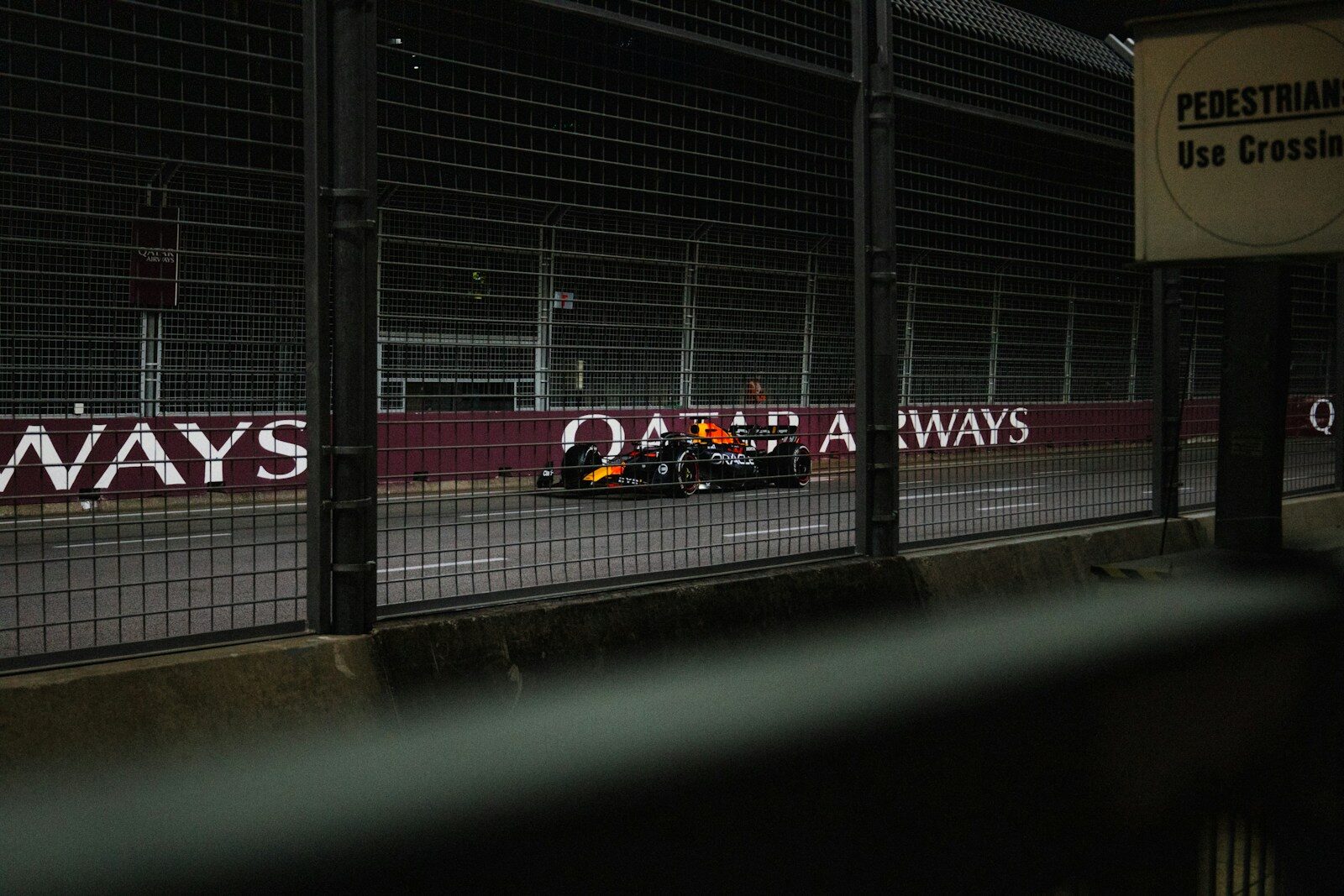
Formula 1 appears headed toward pulling two Middle Eastern races off its 2026 calendar, as the escalating conflict involving Iran forces the sport to weigh safety and logistics against a schedule set months in advance. Multiple sources familiar with the situation say the Bahrain Grand Prix and Saudi Arabian Grand Prix are set to be canceled, with tensions in the region raising serious concerns about travel and equipment shipping for teams and staff.
A Freight Deadline Forces The Decision
The Bahrain race was scheduled for April 12, followed by the Saudi Arabian Grand Prix on April 19. Both now appear unlikely to proceed after military strikes connected to the broader Iran conflict affected parts of the region, following reported attacks on Iran by the United States and Israel and subsequent retaliation that has left the security picture across the region uncertain.
Formula 1 logistics don’t leave much room to wait and see. Teams have to ship equipment weeks ahead of each race, and with a March 20 freight deadline for Bahrain-bound cargo approaching fast, organizers effectively had to decide now whether committing to the Middle Eastern leg of the season was safe. Sources inside the sport say that call has already been made rather than risk sending equipment into an unpredictable security situation. Sky Sports, which holds Formula 1’s UK broadcast rights, has reported the races are expected to be formally canceled by the end of the weekend, with an official announcement possibly arriving within days.
What A Reduced Calendar Would Look Like
Losing both races would shrink the 2026 calendar from 24 events to 22, and it would open an unusually long gap early in the season. The Japanese Grand Prix on March 29, currently round three of the championship, would be followed by a five-week break before the next scheduled event, the Miami Grand Prix on May 3. A pause that long in the middle of the season is rare for modern Formula 1, whose calendar has expanded steadily over the past decade with new races added across the Middle East, North America, and Asia specifically to maximize global exposure.
Drivers And Teams Respond
Neither the FIA nor Formula 1 management has confirmed the cancellations publicly, but drivers and team leaders are already addressing the situation. Speaking ahead of the Chinese Grand Prix weekend in Shanghai, seven-time world champion Lewis Hamilton expressed confidence in the sport’s leadership, saying, “I know that Stefano will do what is right for all of us and the sport,” referring to Formula 1 CEO Stefano Domenicali, and adding that having “a great leader like him” made the situation easier to trust.
Team principals have echoed that sentiment. Audi team boss Jonathan Wheatley said his team will follow whatever guidance Formula 1 and the FIA provide, noting the governing bodies have “always led us in the right direction” and that “nobody’s going to compromise on anything that would put teams into an uncomfortable situation.”
F1 Isn’t The Only Series Affected
Formula 1 isn’t the only international racing series adjusting to instability in the region. The World Endurance Championship has already postponed its planned season opener in Qatar, originally set for late March, shifting the start of its season to Imola, Italy, on April 19 instead. The WEC’s Qatar round has been rescheduled to October 24, moving it to the penultimate slot before the championship finale in Bahrain — a reshuffling that shows just how far geopolitical instability can ripple through a sport built around heavy international travel and logistics.
Why The Middle East Matters So Much To F1
Over the past decade, the Middle East has become one of the most important regions on the Formula 1 calendar, with Bahrain, Saudi Arabia, Qatar, and the United Arab Emirates all investing heavily in hosting Grands Prix as part of broader tourism and visibility efforts. The Bahrain Grand Prix has frequently served as either the season opener or one of the earliest rounds of the year, while Saudi Arabia’s high-speed Jeddah street circuit quickly became one of the calendar’s most dramatic venues after joining in 2021. Both races are tied to long-term hosting agreements with Formula 1, which makes a potential cancellation a significant financial and scheduling event, not just a logistical footnote.
For now, Formula 1 appears to be erring on the side of caution rather than betting that conditions improve before April. Once freight starts moving around the world, reversing course becomes extremely difficult, and the sport’s leadership seems unwilling to gamble team safety on a security situation that could still change in either direction. Barring a shift in circumstances, the championship looks set to move forward without two of its early Middle Eastern rounds, leaving teams and fans adjusting to a calendar reshaped not by competition, but by events far removed from the track itself.
About the Author