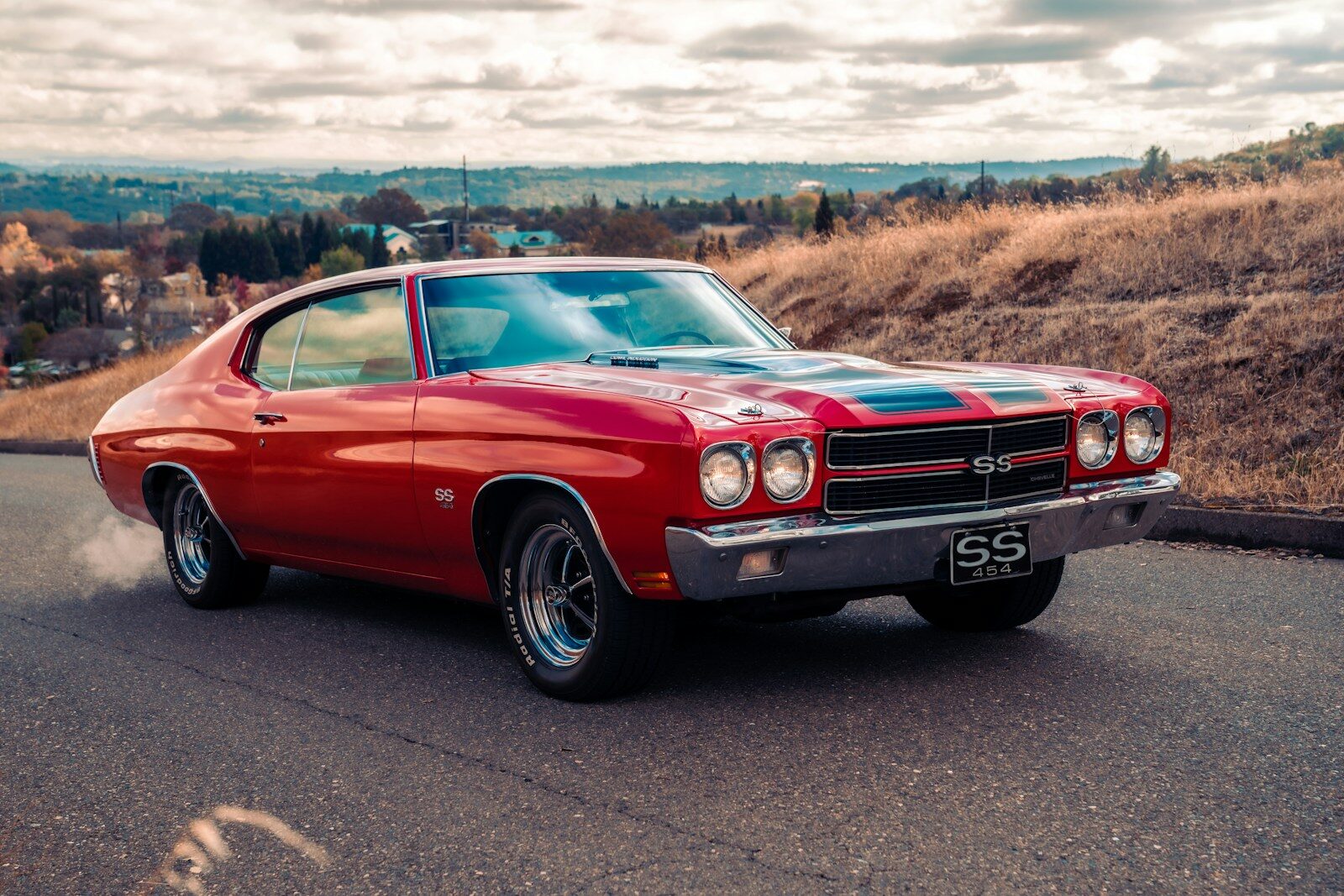
Paul McCartney and Stevie Nicks played the reception. Adam Sandler officiated. Tom Hanks and Jennifer Lopez watched from the crowd. And somehow, the detail that has classic car people buzzing isn’t any of that – it’s a 55-year-old General Motors intermediate that showed up in a raffle line next to a stack of designer handbags.
Taylor Swift and Travis Kelce were married July 3 at Madison Square Garden, a fact their representatives confirmed directly to NBC News after days of leaks and guest photos. Buried in the details guests shared afterward was a small mechanical footnote: the reception included party games that earned attendees raffle tickets, and one of the prizes was a 1970 Chevrolet Chevelle, described by two guests as “the storied car that the couple rode in together on their first date.” It’s not clear who actually won it. Nobody’s posted a photo standing next to a new set of keys, at least not yet.
That’s a genuinely fun piece of trivia, and it’s also exactly the kind of moment a marketing team waits years for. Within days, eBay’s public relations shop was pitching outlets on a tie-in: browse eBay Motors, and you’ll find current listings for 1970 Chevelles priced at $79,900, $78,497, $64,900, and $47,900, framed as an invitation for shoppers to start their own version of the story. Worth being clear about what that is and isn’t. Those are real, currently listed cars – we checked eBay Motors ourselves and found active listings matching all four prices. What none of them are is the actual car from the Swift-Kelce reception. That car’s whereabouts are unknown. This is inventory a publicist is hoping rides the wave of search traffic, not a chain of custody.
Which is fine, actually – it’s a good excuse to talk about why a 1970 Chevelle is worth raffling off in the first place, and why the same nameplate can sell for $47,900 one day and north of $300,000 the next.
Why 1970 Was the Chevelle’s Peak Year
Nineteen-seventy sits right at the edge of the muscle car era’s high-water mark, before insurance surcharges and tightening emissions rules forced Detroit to detune everything by 1972. Chevrolet let the Chevelle SS carry an LS6 454 rated at 450 horsepower that year, the highest factory horsepower rating GM put in an intermediate-size car, full stop. The SS396 package actually used a 402-cubic-inch big block by 1970, but Chevrolet kept the 396 badge for brand recognition, a detail that trips up plenty of buyers who assume the displacement stamped on the fender matches what’s under the hood. Cars ordered with the cowl induction hood, F41 suspension, and a 12-bolt Positraction rear end sit at the enthusiast-grade end of the lineup; a base Malibu with a 250-cubic-inch inline six sat at the other end entirely, wearing the same sheet metal.
That spread in factory configuration is exactly why the used market for these cars is so scattered. Run a search on eBay Motors right now and you’ll see 1970 Chevelles asking anywhere from the high teens for project cars with rough bodies up to $379,970 for a documented, numbers-matching LS6 convertible. Trim, drivetrain, originality, and paperwork do all the work in that gap, not nostalgia.
What “SS” Doesn’t Always Mean
Scroll through current listings and you’ll also spot cars labeled SS Tribute or SS 454 Tribute, resto-mods built to look like a factory Super Sport but without the cowl tag, trim tag, and broadcast sheet to back it up. There’s nothing wrong with buying one of those; they’re often better built and more usable than an original. But the price gap between a documented SS and a well-done tribute is enormous, and it’s a mistake plenty of first-time buyers make when shopping listings by photos alone. If you’re seriously chasing a real 1970 SS, the cowl tag on the driver’s side firewall and the trim tag on the core support are what confirm the car’s original build, not the badges bolted to the fenders, the same lesson worth remembering from a 1968 Chevelle SS 396 project car we covered that needed an in-person look before anyone wired money.
Buying a 55-Year-Old Car Sight Unseen
eBay Motors has leaned hard into its Secure Purchase program, which layers in verified titles, seller vetting, and purchase protection up to $100,000 for cars bought through the platform. That’s a real feature, and it addresses a real risk: this same search turned up a 1970 Chevelle Malibu listed with no title at all, sold as-is. That’s not a dealbreaker for every buyer, but it changes financing options, registration timelines, and resale value considerably, and it’s the sort of detail that’s easy to miss when you’re scrolling past a raffle-inspired headline. A pre-purchase inspection from a shop that knows GM A-bodies, a request for the original build sheet or Protect-O-Plate, and a clear-eyed look at title status should come before any offer, regardless of what platform protections are on the table.
Insurance is worth planning for too. Classic muscle cars this age typically get written on agreed-value policies through specialty insurers rather than standard carriers, which means the payout in a total loss is the value you and the insurer agree to upfront, not a depreciated book value. Most of those policies also cap annual mileage and require secure, covered storage, so factor that into ownership costs before falling for a Chevelle because a Swiftie wedding put it back on your radar.
The Bigger Picture
Taylor Swift and Travis Kelce didn’t do anything for the classic car hobby by raffling off a Chevelle, the car’s connection to their relationship did that entirely on its own, the same way Kelce’s Rolls-Royce Ghost turned heads outside Arrowhead Stadium back in 2023. What the moment actually demonstrates is how thoroughly American muscle cars have crossed over into mainstream pop culture currency, popping up at a nine-figure celebrity wedding with the same casual ease as a barn-find Barracuda suddenly commanding attention at a Mecum sale or a forgotten Dodge resurfacing on eBay after decades in storage. These cars don’t need a celebrity connection to matter. They just got one anyway.
About the Author