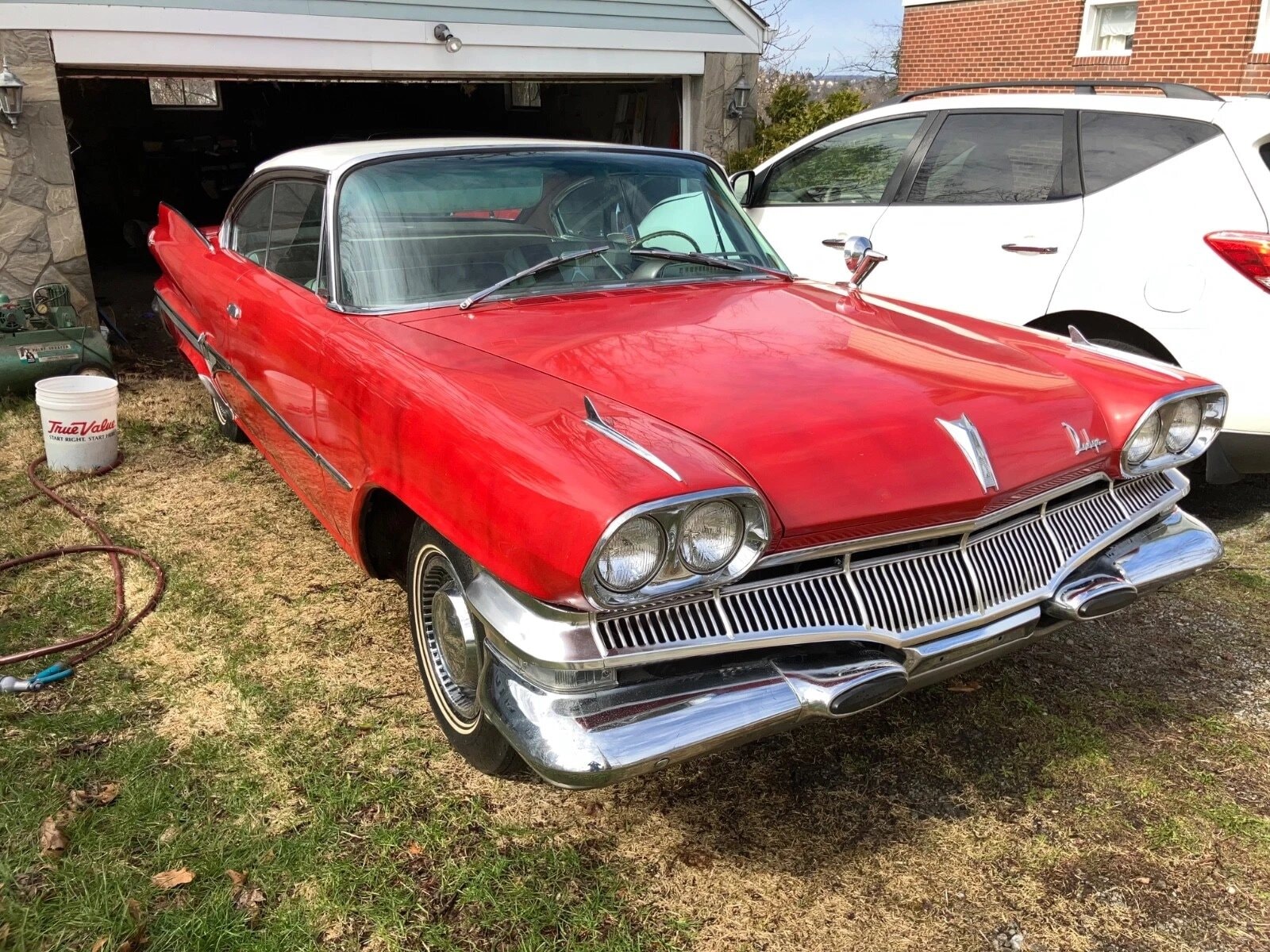
There’s something about cars that disappear for decades and suddenly come back like nothing happened. This 1960 Dodge Dart Phoenix is one of those stories, and it doesn’t take long to realize this isn’t your typical barn find.
On paper, it sounds almost too clean to be real. Just over 9,000 miles on the odometer, parked for years, still running. But the deeper you look, the more this makes sense. Because this isn’t just an old Dodge. It’s from a strange moment in American car history when everything was shifting, brands were disappearing, and companies were trying to figure out what came next.
A Nameplate Born From a Corporate Reshuffle
Back in 1960, Dodge rolled out three completely new nameplates at once. The Coronet was gone, replaced by a new lineup that included the Matador, the Polara, and this car, the Dart. The Dart sat slightly below the Matador, riding on a shorter wheelbase, but it still played in the full-size category.
That decision wasn’t random. Dodge dealers had been selling Plymouth models for years, and Chrysler decided to cut that off. The Dart stepped in to fill that gap, giving dealers something affordable to offer without relying on another brand.
At the same time, DeSoto was being phased out. That pushed Dodge’s higher-end models further up the market, opening space below for something like the Dart to exist. So the Dart wasn’t just another car. It was part of a bigger reshuffle.
323,000 Sold, Then Gone Within Two Years
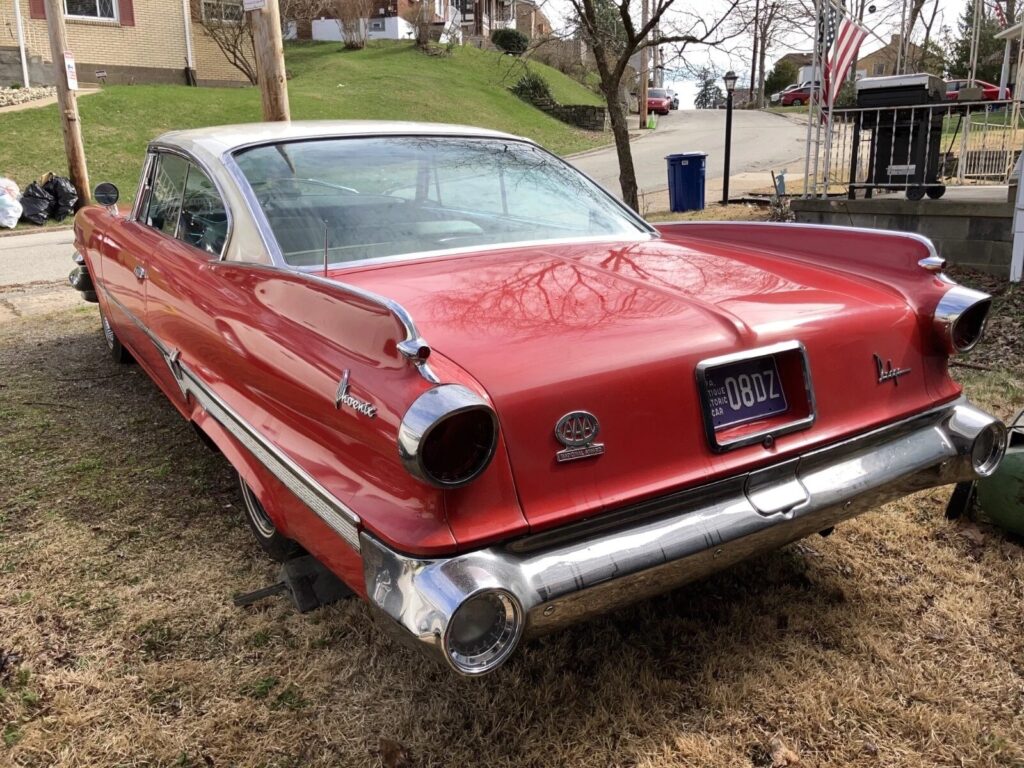
And it worked, at least at first. The full-size Dart hit hard in its debut year, moving over 323,000 units. That’s not just strong, that’s dominant. It accounted for the vast majority of Dodge’s production in 1960. You’d think that kind of success would lock it in for years.
That’s where things change. It didn’t last. Within two years, the full-size Dart was gone. Dodge downsized it into a smaller class, then shifted it again into the compact segment by 1963. The original version, the one that sold in huge numbers, basically vanished. And because of that, you almost never see them today.
Most of those cars didn’t survive. They were scrapped, abandoned, or simply worn out over time. High production numbers don’t always translate to long-term survival, and this is one of those cases where the opposite happened. Which makes this particular car stand out immediately.
The Top-Trim Phoenix, Repainted Once in 1961
It’s a two-door Phoenix model, the top trim level offered at the time. Not a stripped-down base car, not something lightly optioned. This was the best version Dodge offered in that lineup.
And somehow, it made it through the years in surprisingly solid condition. The mileage is what grabs attention first. The odometer reads 9,022 miles, and based on the documentation, that number actually holds up. Records show it had around 8,000 miles in the late 1970s, then just over 8,500 miles in 1987 during its last recorded service.
That’s not a guess or a vague claim. There’s paperwork backing it up.
Here’s the part that matters. The car didn’t just sit untouched forever. It was repainted early in its life, back in 1961, after the original finish was damaged in a storm. That detail knocks it out of the pure survivor category, but not by much. Everything else still leans heavily toward originality.
Not Forgotten, But Not Road-Ready Either
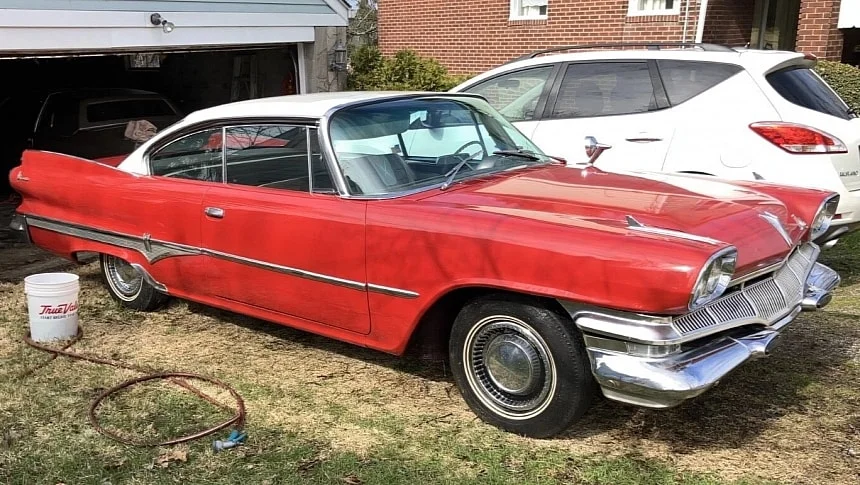
So it lands in that middle space. Not perfectly untouched, but far from restored or modified. Because time hasn’t completely stood still for this car. It spent years off the road, tucked away in a garage. Exactly how long isn’t fully clear, especially after its last known inspection in 1996. What is known is that it sat long enough to need real attention before it can be driven again.
The engine, a 318 cubic-inch V8, still starts and idles. That’s a good sign, no question. But it’s not road-ready. The fuel system needs to be flushed, and the car will need proper maintenance before anyone can trust it on the street. So while it runs, it’s not exactly ready to go.
That distinction matters. A lot of buyers see low mileage and assume instant usability. That’s not how it works with cars that have been sitting for years, even decades. Fluids break down, components degrade, and systems need to be brought back carefully. This car is no exception.
$15,000 Starting Bid, No Bids Yet
Now add in the auction. It’s currently listed on eBay out of Pittsburgh, Pennsylvania, with a starting price of $15,000. As of now, there haven’t been any bids, and there’s a reserve in place.
That hesitation tells you something. Because while the car has a lot going for it, it also sits in a tricky position. It’s rare, yes. It’s low mileage, yes. But it’s also a version of the Dart that most casual buyers don’t even recognize. That affects demand.
Collectors tend to chase more familiar names, or at least versions that stayed relevant longer. The full-size Dart didn’t get that chance. It showed up, sold big, and then disappeared before it could build a lasting identity.
Rare and Overlooked at the Same Time
So now you’ve got a car that’s both rare and overlooked at the same time. That combination can go either way. For the right buyer, this is exactly the kind of find that makes sense. Something different, something with a real story, something that isn’t just another predictable classic.
For everyone else, it’s a question mark. Now it’s back, sitting in a listing, waiting for someone to decide if it’s worth bringing fully back to life.
Because right now, it’s not forgotten anymore. But it’s not saved yet either.
Via caddy412/eBay
About the Author