A stack of vehicle paperwork doesn’t usually scream organized crime. But authorities in Pennsylvania say a single authorized tag agent quietly turned that mundane process into a multi-million-dollar pipeline for stolen exotics. The man, known around Philadelphia as the “tag guy,” is now facing a list of felony charges after investigators say he laundered the identities of dozens of high-end cars and pushed them back onto the market with spotless titles. It adds up to one of the boldest exotic car fraud schemes the state has seen.
This was no curbside hustle. Investigators tie the operation to roughly 65 vehicles — Ferraris, AMG sedans, G-Wagens and BMW M cars among them — with a combined value of about $3.8 million. For the people who bought those cars believing the paperwork, the consequences are brutal. For the wider enthusiast world, it’s a flashing warning light.
Inside the Alleged Scheme
Prosecutors say the case centers on Adam K. Richardson, a 40-year-old authorized tag agent for Pennsylvania’s Department of Transportation. The job handed him the keys to one of the most sensitive pressure points in vehicle ownership: the title system itself.
According to investigators, Richardson used that authority to file doctored paperwork on stolen vehicles, which then emerged with clean Pennsylvania titles. On paper, the cars were suddenly legitimate — even though their real history said otherwise. Those vehicles were then moved through a network of sellers who allegedly leaned on his access to finish each deal. All told, the ring is said to have touched 65 cars worth close to $3.8 million.
A Dream Garage, Built on Fraud
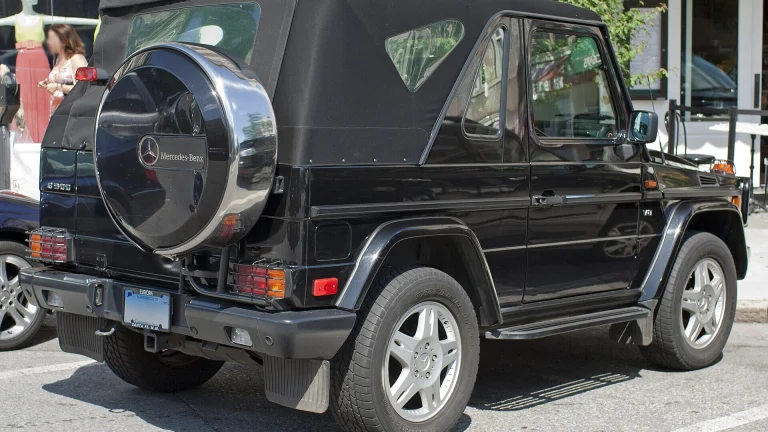
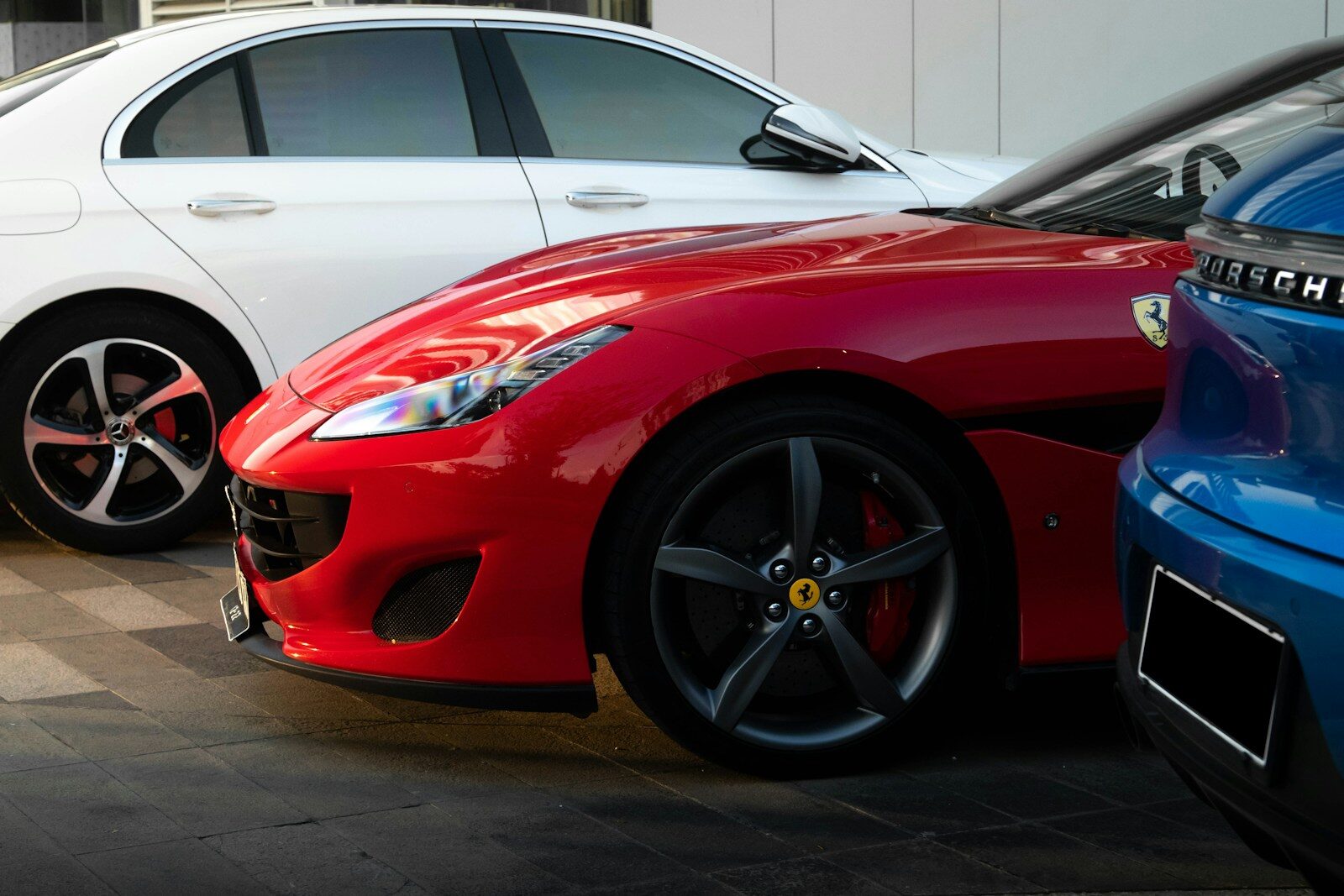
This wasn’t a ring flipping economy commuters. The roster reads like a wish list: a Ferrari Portofino, a Mercedes-AMG S63, a Mercedes-Benz G550 and a BMW M3 CS, plus others in the same league. Cars like these carry an unspoken assumption of legitimacy — the price, the documentation and the dealer involvement all signal that everything is above board. That trust is precisely what the operation is accused of weaponizing. When a six-figure machine shows up with what looks like a state-issued clean title, very few buyers think to dig deeper.
Where the Case Stands
Richardson was arrested and arraigned in mid-March and hit with multiple felony counts. A judge denied him bail — a sign of how seriously the state is treating the matter. The probe, dubbed Operation Hot Wheels, was run by Pennsylvania’s Insurance Fraud Section alongside State Police. Roughly 40 of the 65 vehicles have already been recovered, which still leaves a sizable chunk of high-dollar metal unaccounted for. Officials have made clear the investigation is far from closed, leaving the door open to more charges or more suspects as they map out the full network.
Why Buyers Should Be Worried
The exotic and performance market runs on trust — trust in provenance, in documentation, in the idea that a clean title means a clean car. Compromise that, and the whole ecosystem feels it. Someone could buy a stolen car in good faith and then watch it get seized months later, losing both the vehicle and, potentially, every dollar they paid for it. Insurance in these situations is rarely straightforward, and the legal fights can stretch on for years. There’s a knock-on effect, too: scams of this scale invite tighter regulation, which adds friction for the honest enthusiasts just trying to buy, sell and register their cars.
Why Exotic Car Fraud Keeps Working
Beyond one alleged bad actor, the case exposes a deeper weakness: a patchwork of state-level title systems that insiders can quietly game. Title washing isn’t a new trick, but when it scales up to dozens of exotic cars, it shows just how easily aging processes can be bent. As vehicles climb in price and collectibility, the payoff for fraud climbs with them, and the operations chasing that payoff get more sophisticated. Layer in the explosion of online marketplaces and private sales, where verification is often thin, and you have close to ideal conditions for schemes like this to take root.
The Real Takeaway
The millions allegedly generated here didn’t appear out of thin air — the cost lands on buyers, insurers and the enthusiast community as a whole. Honest sellers inherit the suspicion, buyers shoulder the risk, and law enforcement races to keep pace with fraud tactics that keep evolving. The unsettling part isn’t just how this one ring operated. It’s the question hanging over the industry now: how many more of these quiet, paperwork-driven schemes are still out there, waiting for someone to notice.
Related coverage on Backfire News: Inside a $3.8M Exotic Car Fraud Ring | $3.8M Exotic Car Scam Leaves Buyers Facing Total Loss | More in our Current News section.
About the Author