From her father’s blue truck to the hot rods of Sevierville, cars and trucks threaded through a life built on family, work, and East Tennessee.
On a Friday night in the early 1960s, Main Street in Sevierville, Tennessee, belonged to teenagers and their cars. Chrome caught the streetlights, engines idled outside the drugstore, and a farm girl from up in the mountains, not yet famous for anything beyond her voice, took it all in. Decades later, that image would outlast the cars themselves, resurfacing at a Smoky Mountain theme park as the inspiration for one of its signature rides.
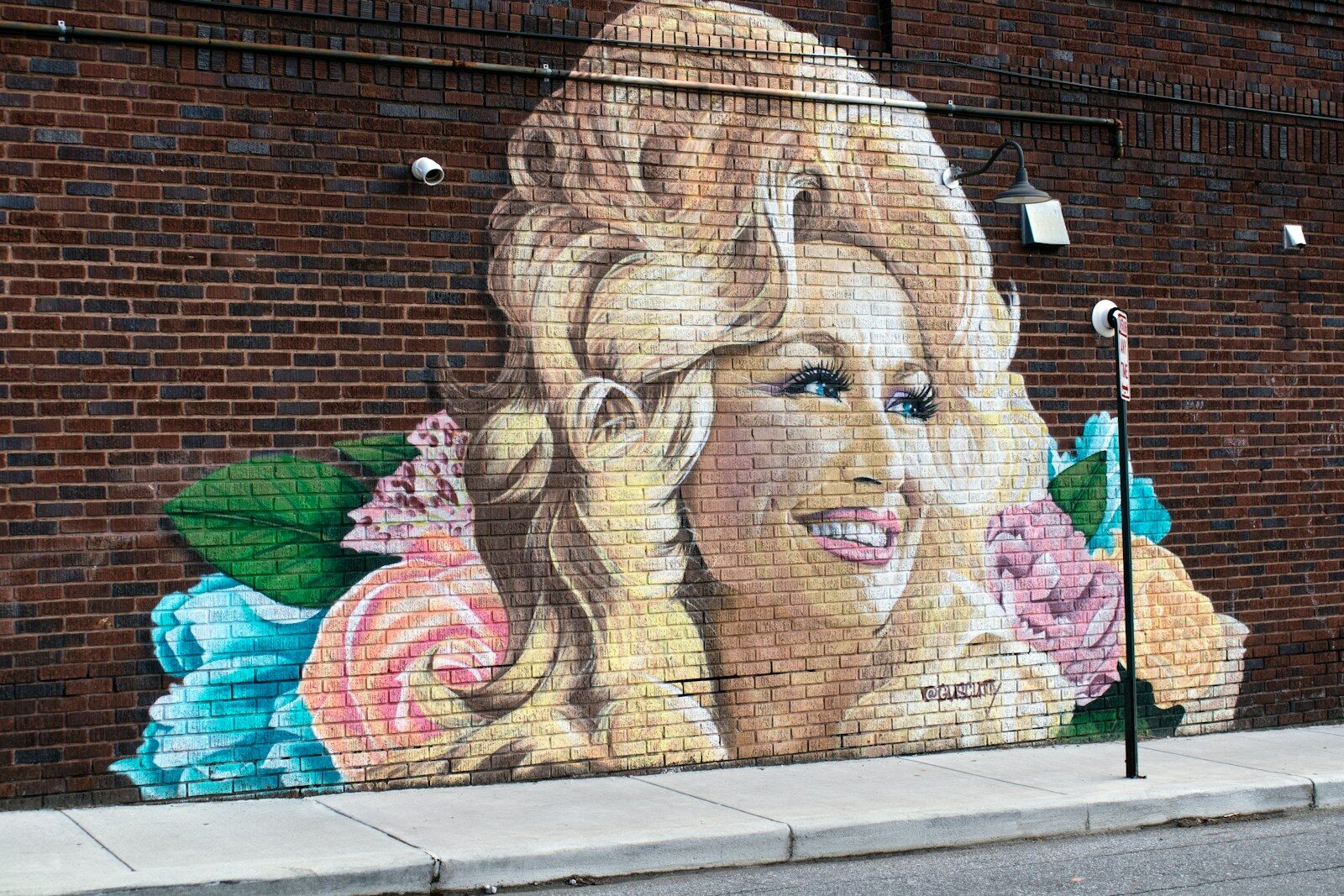
Dolly Parton, the singer, songwriter, and Sevier County native, died Tuesday in Nashville at 80, her family announced through her official website. The tributes that followed reached from the Grand Ole Opry to Broadway, but some of the smaller, quieter details of her life run through machines with wheels: a truck her father refused to trade in, a Cadillac passed down like an heirloom, a roller coaster shaped by teenage memory, and a stock car that carried her name onto a NASCAR track in 2019. None of them were about accumulation. Each one was about a place, a person, or a promise.
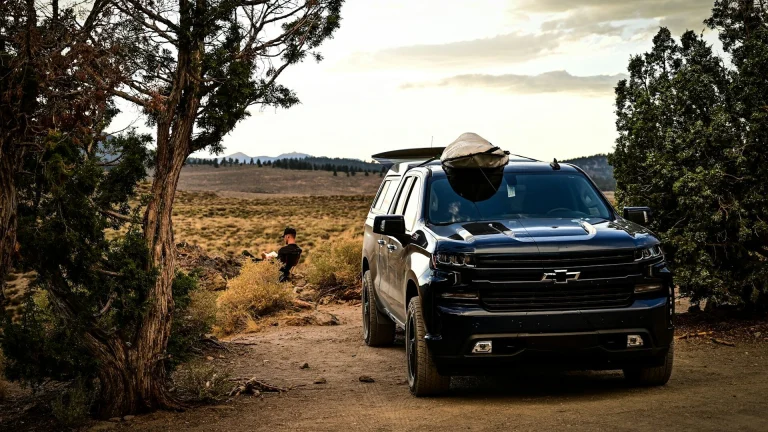
Parton talked often about the first real gift she gave her parents once her career started paying off, and it wasn’t jewelry or a house. It was a truck for her father, Robert Lee Parton Sr., who had driven one all his life. In a 2015 interview with Billboard, she recalled that he was proud of the truck and refused to trade it in even as the years passed. After he died in 2000, she kept the vehicle on family land in Sevier County, where nieces and nephews eventually used it as a plaything rather than a keepsake behind glass. The truck’s afterlife, parked and useful rather than preserved and untouched, says something about how Parton treated the vehicles that mattered to her: as tools of a life, not trophies of one.
The same Christmas she bought her father’s truck, Parton also gave her mother, Avie Lee, a Cadillac, and she kept upgrading it every few years afterward. The last one was gold, and when her mother died in 2003, the car came back into Parton’s hands. She nicknamed it the Dolly-Mama, drove it herself from time to time, and let her husband, Carl Dean, drive it more, treating it as something closer to a family member than a vehicle. It never went to auction or a museum. It stayed in use, which seems to have been the point.
That same instinct, to keep the past close and working rather than roped off, showed up again decades later at Dollywood. In August 2015, Parton stood in the Pines Theater at her Pigeon Forge theme park and announced Lightning Rod, billed at the time as the world’s fastest wooden roller coaster. She traced its inspiration back to her high school years, when customized cars went cruising up and down Main Street in Sevierville. Dollywood’s own materials describe the ride, which opened in 2016 in the park’s Jukebox Junction area, as themed to a “tricked-out” 1950s hot rod, complete with a 165-foot drop and a 3,800-foot track. It wasn’t a nostalgia exercise built by committee. It came from a specific memory of a specific street in a specific town, translated into steel, wood, and a launch mechanism.
A car more directly hers sits today in Gatlinburg, a few miles from where all of this started. According to the Hollywood Star Cars Museum, which displays it alongside vehicles once driven by Elvis Presley and Michael Jackson, the 1997 Cadillac D’Elegance on the museum floor was owned and driven by Parton herself. It isn’t flashy compared to the rest of the collection’s movie cars and celebrity exotics; a Cadillac sedan from the late 1990s is the kind of car plenty of successful Tennesseans of her generation drove. Its presence in a public museum, rather than tucked away, fits the pattern of a woman who treated her home region as a partner in her success rather than a place to keep at arm’s length.
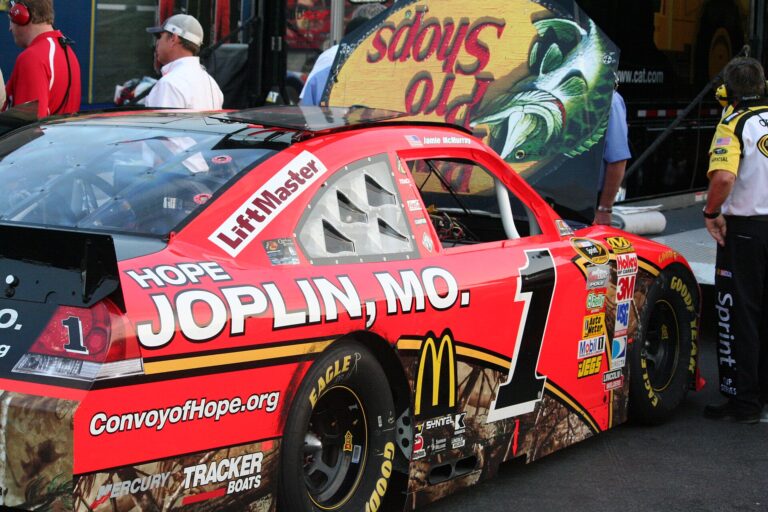
Parton’s name reached the racetrack in April 2019, when Richard Childress Racing repainted its No. 2 Chevrolet Camaro for the NASCAR Xfinity Series’ Alsco 300 at Bristol Motor Speedway. Driver Tyler Reddick, then the series’ points leader, ran the weekend in a pink and white scheme carrying Parton’s likeness and branding for Dollywood, Dollywood’s DreamMore Resort, and Dolly Parton’s Imagination Library, the childhood literacy program she founded in 1995 to mail free books to children from birth to age five. Reddick led 61 laps and finished second, and while the paint scheme drew attention mostly for standing out in a field of sponsor logos, the arrangement underneath it was straightforward regional promotion and philanthropy, the kind of tourism-and-charity tie-in East Tennessee institutions had done with Parton for years by that point.
None of these vehicles amount to a collection, and treating them as one would miss what connects them. A truck that stayed in the family instead of a showroom, a Cadillac nicknamed for a mother, a roller coaster built from the memory of a small-town street, a stock car dressed up for a charity built on books: together they trace a life spent close to where it began, more interested in keeping things running than in showing them off. That, as much as any chart record or Broadway marquee, is worth remembering about Dolly Parton.
About the Author