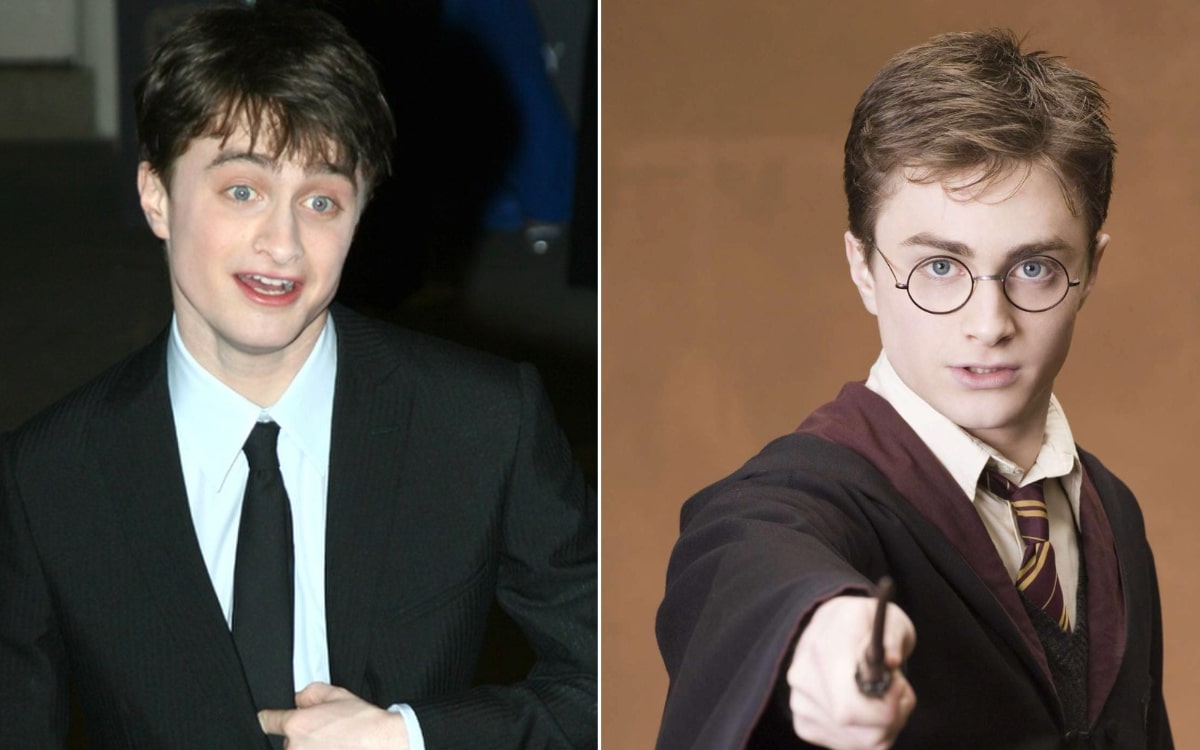
When Daniel Radcliffe turned 18 on July 23, 2007, a trust holding roughly $27.5 million in Harry Potter earnings became his to spend. His first big purchase wasn’t a supercar. It was a Fiat Grande Punto, a compact Italian hatchback that, at the time, ranked among the five most environmentally friendly cars sold in the United Kingdom.
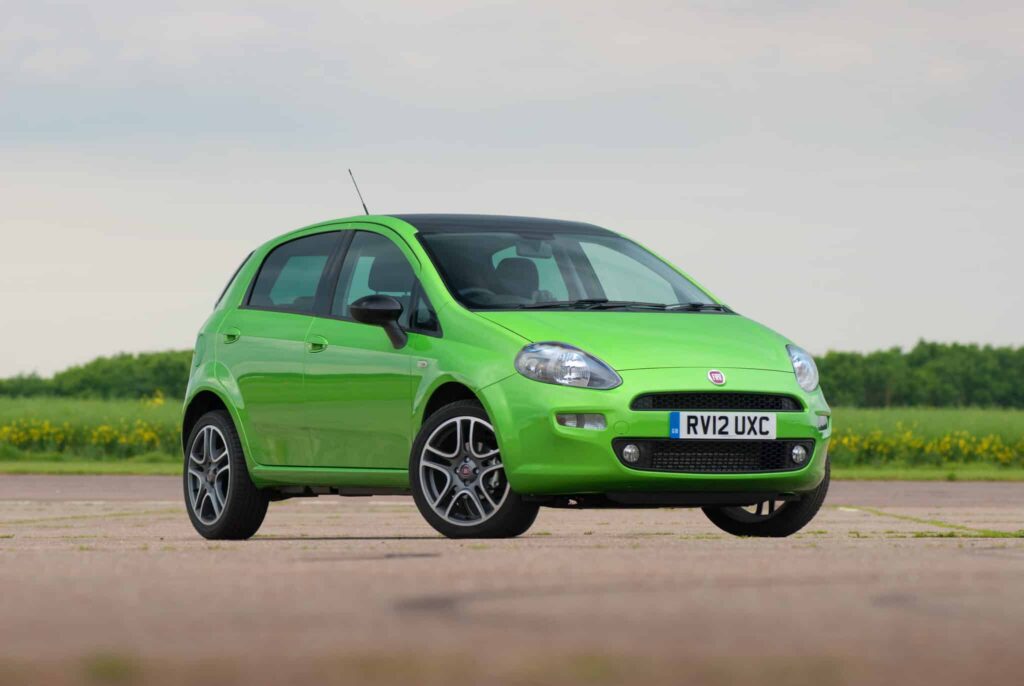
Why a Teenage Multimillionaire Bought an Economy Car
Radcliffe had the means to walk into any exotic dealership in London and drive out in essentially anything he wanted. Instead, he picked a car that let him disappear into traffic. A Grande Punto doesn’t turn heads, doesn’t draw a crowd outside a restaurant, and doesn’t make a teenager who’d just come into a fortune an obvious target. For someone whose face had been on movie posters worldwide since childhood, blending in was arguably worth more than horsepower.
The choice also lines up with a practical reality of London driving: a compact hatchback is easier to park, cheaper to insure, and far less punishing in stop-and-go city traffic than anything with a Lamborghini or Ferrari badge on the nose. For a new driver, that combination of low insurance costs and forgiving dimensions makes a lot more sense than a car that turns every parking garage into a liability.
The Garage Grew Up Later
Radcliffe’s car collection reportedly expanded well beyond economy-car territory as his career and finances matured, with Lamborghini, BMW, and Range Rover among the brands he’s since been linked to. That progression is fairly common among young actors who come into money early: start modest and low-key, then gradually add higher-performance or higher-luxury vehicles once the initial spotlight fades and the practical need for anonymity eases.
What makes Radcliffe’s story stick, though, is the order of operations. Most 18-year-olds handed eight figures reach for the flashiest thing on the lot first. He reached for a car that most new drivers anywhere in the world could realistically afford, and that contrast is exactly why the story still gets told nearly two decades later.
About the Author