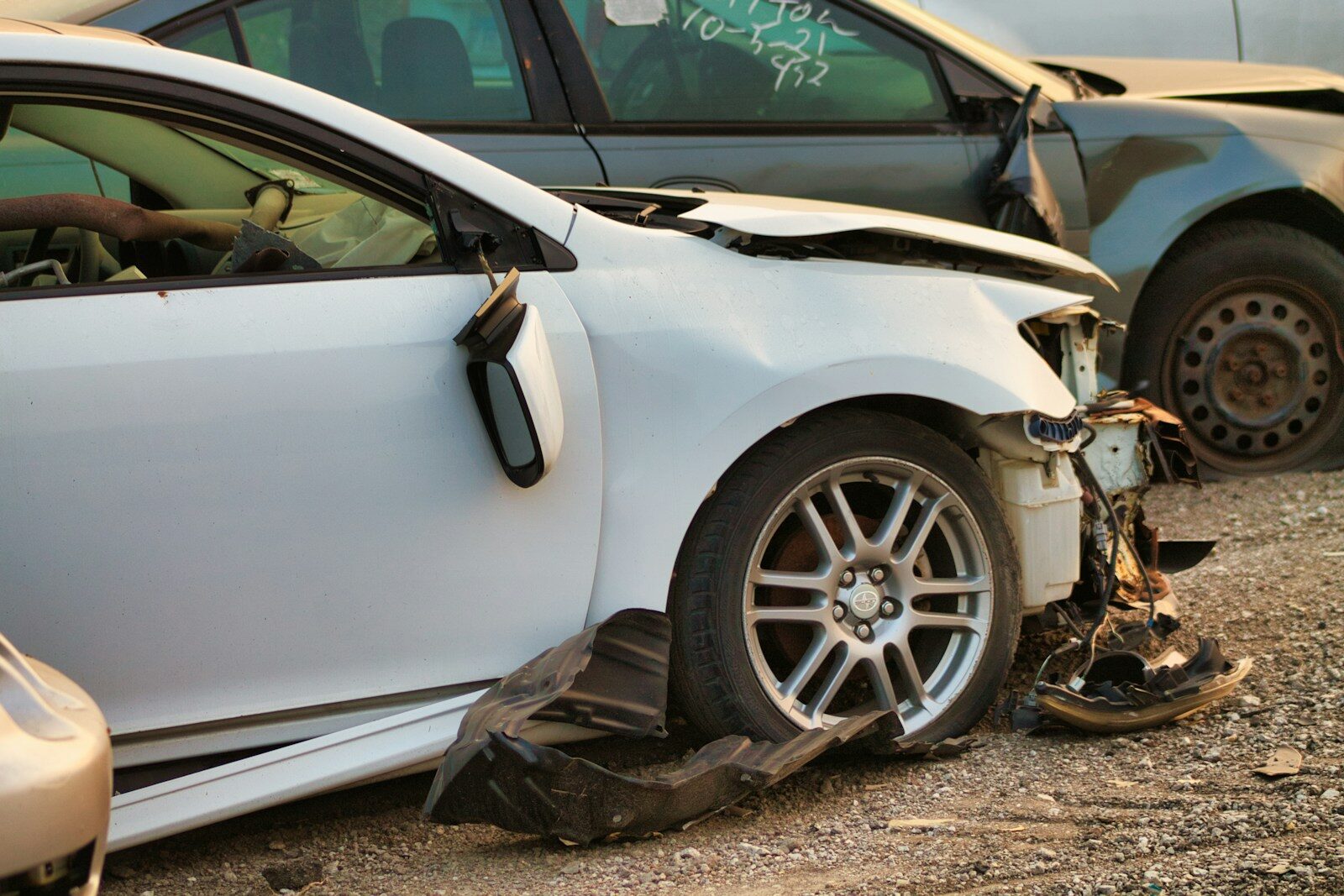
Copart doesn’t build cars, sell cars retail, or race cars. It just decides where a huge share of America’s wrecked, repossessed, and abandoned vehicles end up next, and that gatekeeper position has made it one of Wall Street’s quieter compounding stories. Copart shares have been trading near their all-time high this year. We’ve spent plenty of time this year watching six-figure bids fly at auctions for cars with real pedigree, but Copart plays an entirely different game: volume, fees, and where insurers send everyday wrecks. Pull the company’s own SEC filings instead of just watching the stock chart, and the underlying business tells a more interesting, and more skeptical, story than “salvage auctions are booming.”
The Headline Numbers Aren’t as Big as They Sound
Copart’s own earnings release, filed with the SEC on May 21, 2026, covers the fiscal third quarter ended April 30, 2026. Revenue came in at $1.237 billion, up 2.1% from a year earlier. Gross profit rose 3.7% to $572.6 million. Net income attributable to Copart actually slipped 1% to $402.4 million, while diluted earnings per share ticked up a penny, from $0.42 to $0.43.
Zoom out to the nine-month picture and the growth story thins out fast. Total revenue for the first three quarters of fiscal 2026 was $3.51 billion, down 0.2% from the same period a year earlier. Net income was essentially flat, up one-tenth of one percent, to $1.157 billion. That’s not a business on a double-digit tear. That’s a company treading water on the top line while protecting its bottom line through other means.
Where the Growth Actually Lives
Break it down by segment and the picture sharpens. In the United States, the market that actually decides whether your wrecked F-150 or hail-pounded Civic ends up on a Copart lot, revenue was essentially flat for the quarter ($1.003 billion versus $1.006 billion a year ago) and down roughly 1.8% over nine months. Operating income out of the U.S. barely budged either.
International operations are doing the heavy lifting. Quarterly international revenue jumped 14.1% to $234.2 million, and international operating income climbed nearly 25% to $73.8 million, as Copart keeps building out yards across the UK, Germany, Brazil, Ireland, Finland, Canada, and the UAE, Oman, and Bahrain corridor. So when you hear “Copart growth,” what’s actually growing is the overseas footprint, while the core American salvage pipeline, the one feeding dismantlers, rebuilders, and every backyard restorer hunting a clean donor car for a project, whether it’s a wrecked pickup or someone’s ex-turned Cadillac CTS confession booth, has essentially plateaued. Copart’s own materials put its buyer base at roughly 1 million registered members across more than 185 countries, all fishing in a U.S. inventory pool that isn’t getting any bigger. That’s a recipe for tighter bidding, not bargains.
Buybacks Over Bulldozers
Here’s the part of the filing that explains why the stock is holding up even though revenue isn’t really growing. Copart spent $1.63 billion repurchasing its own stock in the first nine months of fiscal 2026, compared with essentially nothing in the same period a year earlier. Diluted shares outstanding fell 3.6% year over year to 942.8 million. Shrink the share count enough, and earnings per share can rise even when total profit doesn’t.
At the same time, spending on new property and equipment, the yards, land, and technology that would actually grow the physical business, dropped to $258.6 million for the nine months, down from $481.3 million a year earlier. That’s a real cut of roughly 46% in capital investment in the same stretch the company nearly doubled down on buybacks. None of that is unusual for a mature, cash-generative company, but it’s a very different story than a growth machine expanding its yard network, and it’s worth knowing the difference before reading too much into a rising stock price.
What It Actually Means If You’re Hunting Salvage
Copart’s business splits into two revenue lines worth understanding if you’ve ever registered as a buyer. “Service revenue” covers the fees and commissions Copart collects for auctioning vehicles consigned by insurers, banks, and fleets. “Vehicle sales” revenue gets booked when Copart buys inventory outright under purchase agreements and resells it, keeping the full sale price as revenue and the acquisition cost as an expense. Both lines were essentially flat this quarter, which tracks with the segment data. There simply isn’t more U.S. total-loss inventory flowing through the system than there was a year ago.
That flattening domestic pipeline likely traces back to the same forces that decide whether your insurer totals a car in the first place: state total-loss formulas that weigh repair cost against a vehicle’s actual cash value. When used-vehicle values hold steady or firm up, some marginal claims that might have gotten totaled during the parts-and-labor inflation years now get repaired instead, which means fewer cars flowing into salvage auctions, not more.
None of that shows up if you only glance at a stock ticker trading near record territory. It shows up when you read the filing. And if you’re the kind of enthusiast who treats Copart, or any salvage auction house, like America’s largest and strangest used car lot, the same instinct that had us covering a Missouri barn find still tangled up in a decade-old fraud case pull six figures, it’s worth knowing that the pipeline feeding those auctions isn’t getting any bigger at home. It’s just getting more competitive.
About the Author