Just before 10 p.m. on August 21, someone called Philadelphia police with about as urgent a claim as a dispatcher can receive: a car had just been stolen from 5th Street and Allegheny Avenue, and a 6-month-old baby was reportedly still inside it. Every unit that could roll toward North Philadelphia did. What officers found afterward changed the entire complexion of the case.
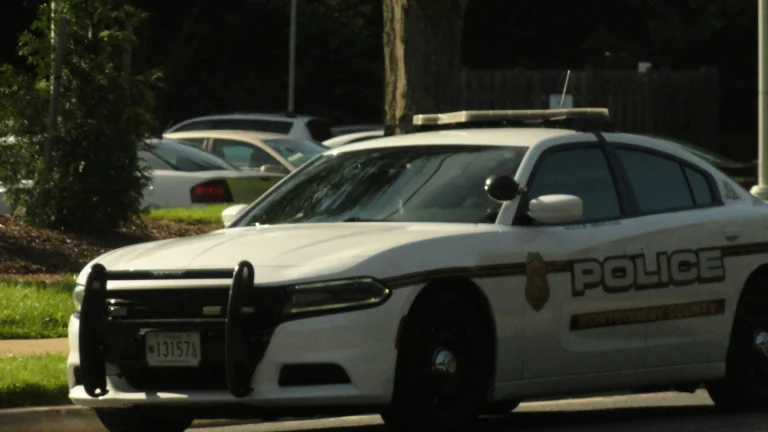
Officers located the car, a silver Cadillac XTS, and the driver didn’t pull over quietly. According to Philadelphia Police Inspector D.F. Pace, the vehicle led officers on a brief chase before the driver finally stopped near 2nd and Tioga Streets, then abandoned the car and ran on foot. Officers caught up to him within the block and took him into custody. When they searched the Cadillac, there was no baby inside. Detectives now believe there never was one.
That’s the detail that matters most to anyone who has ever had a car stolen and had to deal with police over it: the person who called in the infant was also taken into custody and could face charges of their own. Pennsylvania treats false reports to law enforcement as a distinct offense under Title 18, not a footnote to whatever else happened that night. Knowingly feeding a dispatcher false information carries its own misdemeanor exposure, and the grading gets bumped up a notch when the lie is serious enough to trigger the kind of emergency response a supposed trapped infant guarantees. In this case, that response included a pursuit through occupied city streets, exactly the sort of risk the statute exists to discourage people from manufacturing.
Here’s the mechanical reality behind why that fabricated detail mattered so much. Departments across the country have spent the last decade tightening vehicle pursuit standards, largely because chasing a stolen car, which is ultimately just sheet metal, insurance paperwork, and a police report, rarely justifies the risk of a crash involving bystanders. A claim that a child is trapped inside erases that calculus instantly. Command staff have to treat it as a life-safety call until it’s disproven, which means more units, more urgency, and more risk on the street, all manufactured by one phone call that turned out not to be true.
The car at the center of it is a fitting example of what actually gets stolen in cities: not a showpiece supercar, but a plain, aging sedan nobody notices missing for a day. Cadillac built the XTS from 2012 through 2019 on GM’s Epsilon II platform, the same basic underpinnings that carried the Chevrolet Impala and Buick LaCrosse, and leaned hard on fleet, livery, and rental-car sales to keep the model profitable before Cadillac killed it off in favor of crossovers. That fleet history matters. Cars that cycle through multiple corporate owners, drivers, and key sets before landing in private hands tend to carry murkier ownership records and more duplicate keys floating around than a car with one owner from day one, which is part of why an unassuming used sedan like the XTS remains such an easy target.
Stolen-vehicle calls resolve in stranger ways than most people expect. A stolen car stop in Kansas City turned up two baby goats in the back seat instead of anything sinister, and a routine VIN check by California Highway Patrol just closed out a Chevelle theft that had been sitting open since 1993. Compared to those, the Philadelphia case is almost mundane on the mechanical side, a stolen sedan, a short chase, an arrest, right up until you reach the part where a second person invented a kidnapped infant to make the story stick.
For owners, the practical lesson has nothing to do with false reports and everything to do with the theft itself. A stolen car with no damage and a same-night recovery is about the best-case outcome a comprehensive insurance claim can produce, but it still means a claims process, a possible rate review, and paperwork nobody thinks about until they’re filling it out at 11 p.m. on a weeknight. Steering-wheel locks, OBD-port locks that block key reprogramming, and aftermarket GPS trackers remain the cheapest insurance against ever needing that claim in the first place, which matters more now that factory-installed anti-theft hardware isn’t always the safeguard it’s advertised to be.
Police haven’t said how the Cadillac was actually taken, and Pace was blunt that investigators still have unanswered questions about why someone invented a baby in the first place. Whatever the answer turns out to be, both the driver and the caller are now working through Pennsylvania’s court system instead of just one of them, proof that lying to a 911 dispatcher can spin off into its own case with its own exposure, no matter how the underlying crime resolves. It isn’t the first time a fabricated claim to authorities has boomeranged on the person who made it, either. A Utah dealership visitor found that out the hard way when threatening phone calls he made to a salesman turned into federal charges instead of whatever he was trying to accomplish.
About the Author