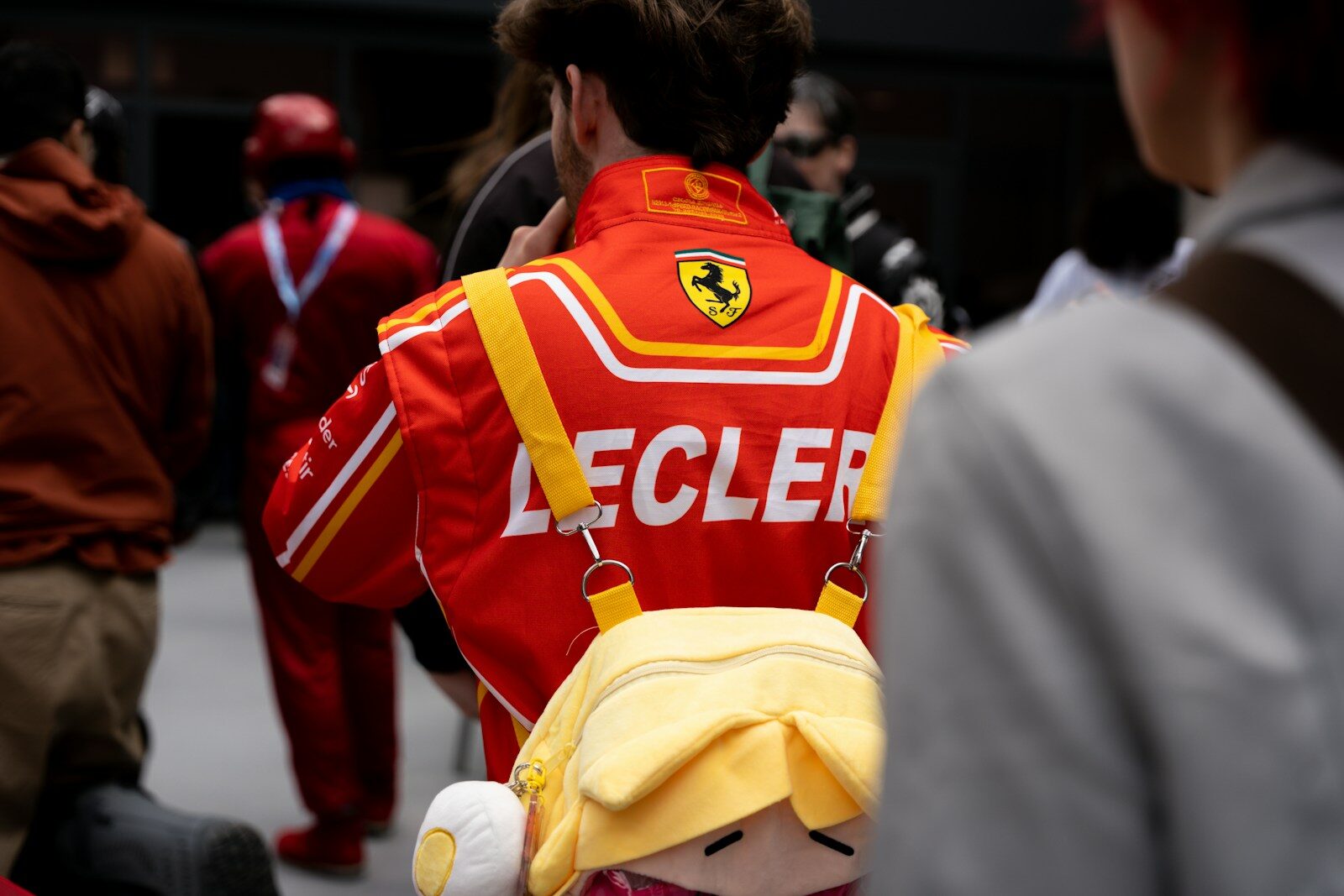
Leclerc vs Brembo: A Public Fight Over Who’s to Blame for Monaco
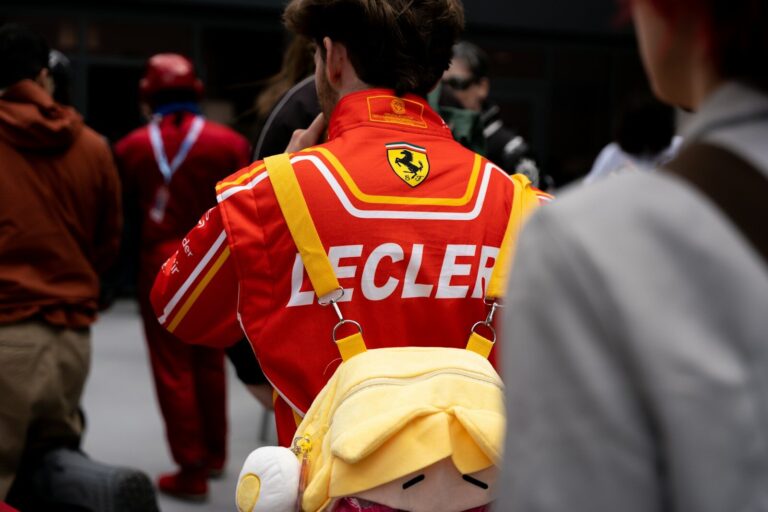
Charles Leclerc crashed out of his home Grand Prix, called his car borderline dangerous on live television, and within hours found himself in a public dispute with one of the most respected brake makers in motorsport. That’s not a normal Sunday in Formula 1, even by Ferrari standards. A driver pointing the finger at his equipment is one thing. The supplier firing back the same evening is another entirely.
This one turned into a fight in the open, and both sides have something real on the line.
What Happened at Monaco
Leclerc was running third at his home race, the one event on the calendar where he’s a genuine specialist, when it all came apart. The crash happened on a rolling restart following a safety-car period. He’d been on course for a strong result, and instead he was out, furious, and done for the day at the track he knows better than anyone.
It wasn’t the only incident of the weekend. He had also crashed the day before in qualifying. Two shunts in two days at a circuit where he’s claimed three pole positions, and after both, he made it clear he believed the car, not his driving, was the problem.
That’s a heavy thing for a driver to say out loud, especially at home, especially twice.
The Accusation
Speaking after the race, Leclerc didn’t soften it. He described the braking behavior as something close to unsafe, saying the front brakes bit far harder than he expected while the rears gave him essentially no deceleration at all. In his telling, it felt like the rear brakes simply weren’t there.
He was careful to frame himself as someone who owns his mistakes. He said he hates making excuses and would rather take the blame than look in the mirror and see someone dodging responsibility. But on this one, he refused to accept fault. He said he’d been dealing with the issue for two races, and that cold tyre temperatures in both Monaco and the previous round in Canada had made an already inconsistent car a nightmare to drive on the limit.
The word he used, borderline dangerous, is the part that travels. That’s not a complaint about pace. That’s a safety claim, made publicly, by a works Ferrari driver.
The Context Behind the Frustration
Leclerc’s weekend didn’t happen in a vacuum. He’d come off a disappointing round in Canada, where he qualified eighth and finished fourth, beaten clearly by his teammate Lewis Hamilton in both qualifying and the race. Hamilton, meanwhile, had been scoring back-to-back second-place finishes.
So you have one Ferrari driver climbing the podium and the other crashing out and blaming his equipment. That contrast matters. It’s the kind of split inside a team that turns a technical question into a political one.
Here’s the detail that sharpens it. Leclerc said the two cars had been running different brake setups, and that from the next round in Barcelona he would switch to Hamilton’s configuration to solve his problems. He admitted Hamilton’s setup might carry issues of its own, but said he just needed consistency at this point. In other words, he’s abandoning his own configuration and copying the one that’s been working for the other side of the garage.
Brembo Refuses to Take the Hit
Brembo wasn’t going to let that sit. The supplier put out a statement Sunday evening saying it was surprised by Leclerc’s comments and accusing him of reaching premature technical conclusions before anyone had actually looked at the data.
Their argument was straightforward. The company said it doesn’t yet know what caused Leclerc’s problems, and that determining the origin of an incident like this requires examining telemetry alongside the team’s engineers, not drawing definitive conclusions in a TV pen minutes after a crash. That’s a direct pushback on the idea that the parts were at fault.
Brembo also leaned on its history. It pointed to a partnership with Ferrari stretching back more than 50 years, extending to other brands in its group including AP Racing clutches and Ohlins dampers. It noted that it supplies braking technology to every car on the grid, and that teams keep choosing its products for their reliability and performance. The message underneath all of it was clear. A company that’s equipped the entire field for decades isn’t going to quietly accept being called dangerous.
Who Has More to Lose
Both sides are exposed here. For Leclerc, calling the car unsafe and then immediately switching to his teammate’s setup invites an uncomfortable question. If the configuration was the issue, why was he running a different one in the first place, and what does it say if Hamilton’s version works fine? For Brembo, a public safety accusation from a top driver is the kind of thing that sticks in headlines whether or not the data eventually backs it up.
The telemetry will settle the technical side eventually. What it won’t undo is the fact that a Ferrari driver and a 50-year partner spent a Sunday night arguing in public over who was responsible. In a sport where blame is currency, that exchange tells you plenty about the pressure inside Ferrari right now.
Source
About the Author