General Motors is pulling the plug on some of the biggest trucks Chevrolet makes, and the fallout is already spreading beyond the Silverado lineup itself.
What’s Being Discontinued
The company is officially ending production of the Silverado 4500HD, 5500HD, and 6500HD later this year after deciding not to continue its manufacturing agreement with International Trucks. That decision doesn’t just eliminate a few commercial models most people rarely see on dealer lots, it effectively wipes out Chevrolet’s presence in an entire segment of the medium-duty truck market, and it’s happening because the numbers stopped making sense.
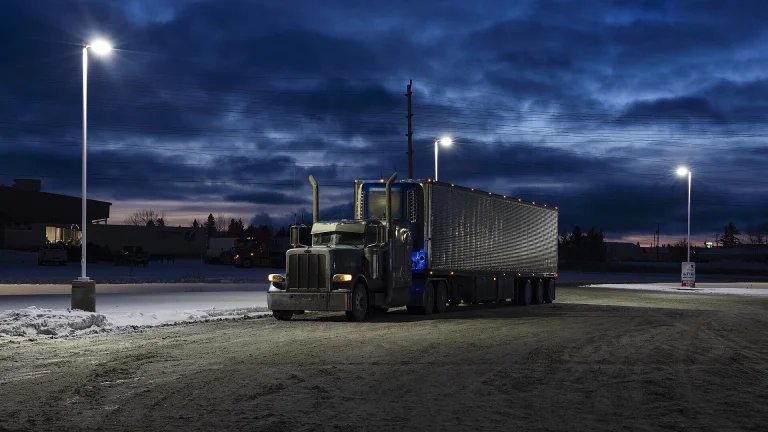
These weren’t regular consumer pickups. A lot of people hear “Silverado” and immediately picture trucks loaded with giant screens, leather seats, and expensive trim packages, but the 4500HD, 5500HD, and 6500HD were serious commercial work vehicles built for towing companies, utility fleets, contractors, equipment hauling, and other heavy-duty jobs, built around GM’s Duramax 6.6-liter diesel V8 paired with an Allison transmission, a combination designed for durability rather than comfort or speed.
Sales Fell Off a Cliff
The problem is simple: not enough people were buying them. GM reportedly sold just over 1,200 Silverado medium-duty trucks during the first quarter of 2026, a massive year-over-year decline in a segment that already operates on relatively thin volume compared to consumer pickups. Ford, meanwhile, continued moving significantly more trucks in the same category with its F-650 and F-750 lineup. That gap matters, because commercial trucks are expensive to engineer, produce, certify, and support, and once sales start collapsing in a niche segment, automakers usually move quickly to stop the bleeding. Nostalgia doesn’t keep work trucks alive. Profit does.
What GM Is Choosing to Keep
Chevrolet isn’t abandoning commercial trucks entirely. Instead, the company is leaning harder into its Low Cab Forward lineup built through its Isuzu partnership, trucks that remain in production and continue covering portions of the commercial market. That tells you a lot about where GM sees the future: rather than investing further into Silverado-branded medium-duty trucks, the company appears more comfortable relying on rebadged Isuzu platforms for commercial buyers, likely reducing development costs and manufacturing risk significantly. But it also means another uniquely American-style work truck lineup disappears from the market.
The Shutdown Is Hitting More Than GM
Production of the Silverado medium-duty lineup was tied directly to International Trucks’ Springfield, Ohio, facility. Once GM decided not to renew the agreement, the plant suddenly lost one of its largest reasons for existing, and the impact became serious enough that the facility itself ended up being sold earlier this year. That’s a brutal ripple effect from one product decision, showing how interconnected these manufacturing partnerships really are behind the scenes — when one company exits, entire production ecosystems can suddenly collapse.
The Truck Market Is Splitting in Half
There’s a bigger trend hiding underneath this story. Consumer pickups keep getting larger, more luxurious, and more expensive every year, and automakers love those trucks because the profit margins are enormous — high-end pickups now routinely sell for luxury-car money, and buyers keep showing up. Actual work-oriented commercial trucks are a different story. Those buyers care about uptime, operating cost, maintenance, and fleet economics, and when demand weakens even slightly, the financial math gets ugly fast. That’s exactly what seems to have happened here.
A Warning Sign for the Industry
When automakers start trimming specialized work vehicles, it usually signals something larger than weak sales alone. It points to rising manufacturing costs, tighter margins, and shrinking patience for products that don’t generate strong returns. Medium-duty trucks aren’t glamorous, but they’re important — they support construction, towing, utilities, delivery operations, and a huge amount of real-world infrastructure work, and now there’s one less major player competing in that space. Once a segment starts shrinking, it usually doesn’t stop with one company.
GM made a business decision here. The Silverado medium-duty lineup wasn’t selling well enough to justify continuing production, especially with outside manufacturing partnerships involved, and from a corporate standpoint, the move probably makes financial sense. But it also means another purpose-built work truck lineup is disappearing while the industry keeps shifting toward high-profit luxury pickups and outsourced commercial platforms. For truck buyers who actually depend on these machines to make a living, that’s not exactly a great sign for where the market is heading next.
About the Author